


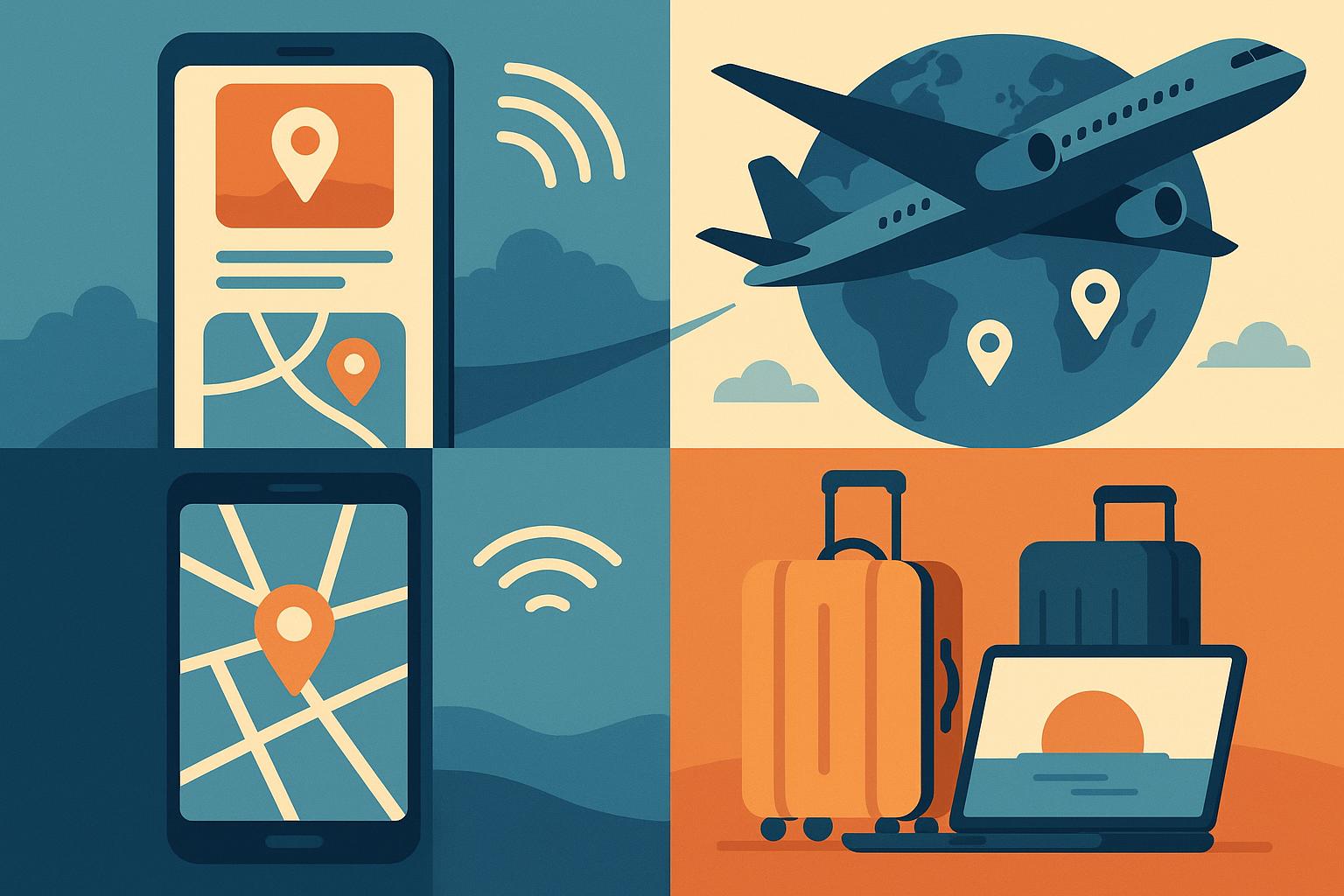
Travel planning has undergone a major transformation over the past decade. What was once handled through travel agents and offline bookings is now almost entirely managed through digital platforms. From researching destinations to booking accommodation and arranging activities, travellers now rely on technology at every stage of their journey.
This shift has changed not only how people plan trips, but also what they expect from travel services. Convenience, speed, and transparency are now essential. Businesses that fail to deliver these elements often struggle to compete in an increasingly digital-first environment.
The rise of digital-first travel planning
Contents
Modern travellers expect to be able to organise their entire trip online. This includes comparing options, reading reviews, and making bookings within minutes.
Mobile devices and apps have played a significant role in this shift. Travellers can now manage itineraries, access booking confirmations, and make last-minute arrangements directly from their phones.
As a result, travel businesses must ensure that their services are easy to understand, simple to book, and clearly communicated across digital channels. A well-designed online experience is no longer optional. It is a core part of the product itself.
How technology improves convenience for travellers
One of the biggest advantages of digital platforms is the ability to simplify complex travel logistics. Services that previously required multiple steps can now be completed in a few clicks.
For example, travellers can book accommodation, arrange airport transfers, and secure activity bookings in advance without needing to coordinate multiple providers manually.
This level of convenience has become a key factor in decision-making. Travellers are more likely to choose services that reduce friction and make their experience easier from start to finish.
Businesses that integrate clear booking processes, responsive websites, and efficient customer communication are better positioned to meet these expectations.
The role of trust in online travel services
As travel becomes increasingly digital, trust plays a central role in customer decisions. Travellers are often booking services in unfamiliar destinations, relying entirely on the information presented online.
This makes factors such as transparency, clear service descriptions, and consistent branding critical for building confidence.
Customers look for signals that indicate reliability, including professional websites, detailed explanations of services, and straightforward pricing. Reviews and recommendations also contribute to this perception of trust.
Without these elements, even well-designed services can struggle to convert visitors into customers.
How specialist services use digital platforms to stand out
Specialist travel services have benefited significantly from digital platforms. By focusing on specific customer needs, these businesses can position themselves clearly and communicate their value effectively.
Rather than competing on broad travel offerings, niche providers can highlight exactly how their service improves the traveller experience.
This is particularly relevant for services that support specific activities, such as sports tourism. Travellers often require equipment or arrangements that go beyond standard travel bookings, making reliable digital communication even more important.
When these services are presented clearly online, they become easier for customers to understand and trust.
Example: booking golf services online
Golf tourism provides a strong example of how digital platforms are shaping travel decisions. Many golfers travel internationally to play courses in destinations such as the Algarve, but transporting equipment can be inconvenient and costly.
As a result, travellers increasingly look for solutions that can be arranged online before they arrive.
For example, visitors planning a golf trip to Portugal often choose providers such as Golf Hire Now, where clear online booking, reliable delivery, and straightforward collection processes help simplify the experience.
By allowing customers to reserve equipment in advance and have it delivered directly to their accommodation or golf course, these services remove a significant logistical barrier.
This type of digital convenience not only improves the travel experience but also builds confidence in the service provider.
The long-term impact of digital transformation in travel
The continued growth of digital platforms will further shape how travel services are delivered and consumed. Businesses that prioritise usability, transparency, and reliability will be better positioned to attract and retain customers.
Technology will continue to reduce friction in the travel process, allowing customers to plan and manage trips more efficiently. At the same time, expectations around service quality and user experience will continue to rise.
Travel providers that embrace these changes and adapt their offerings accordingly will benefit from increased visibility, stronger customer relationships, and higher conversion rates.
Conclusion
Digital platforms have fundamentally changed the way people plan and experience travel. Convenience, speed, and trust are now central to the customer journey, and businesses must adapt to meet these expectations.
By delivering clear, reliable, and user-friendly online experiences, travel providers can stand out in competitive markets and create more seamless journeys for their customers.
As technology continues to evolve, those that invest in strong digital experiences will be best placed to succeed in the modern travel landscape.