



The process of purchasing a new house can seem like an achievement, but it is also accompanied by pressure. Costs are high, options are unlimited, and misjudgments may be expensive. As a result, a lot of buyers are concerned with the question of whether their purchase will ever increase in value or just continue being an expensive thing to hold on to. This uncertainty seems to complicate even the decisions that are otherwise sure, making them more stressful and difficult to complete.
The positive side is that the home purchase does not need to be approached as a guess. By choosing the proper direction, you can make a basic purchase into a long-term investment that can be trusted. Moreover, well-informed early choices, even on a small scale, may make a significant difference in future returns. A proper plan will therefore minimize risk and provide you with an opportunity to have a greater influence on the result.
This article profiles five strategies that would allow you to capitalize effectively on your new home investment.
1. Choose Location with Long-Term Value
Contents
Many buyers get drawn to finishes and design. Those features matter, but location still drives long-term value more than anything else. When you explore options, you should focus on growth patterns, job markets, and future infrastructure.
Strong locations tend to show consistent appreciation. Areas near schools, healthcare facilities, and business hubs often attract stable demand. According to research, urban expansion and access to amenities strongly influence property value trends over time.
Future development plans should also be considered. A residential neighborhood today may become a high-demand area in five years. Local zoning changes, new highways, or commercial developments can cause demand to grow faster than anticipated. For example, a quiet suburb with upcoming schools and new roads could become a hotspot for buyers, making new homes Bozeman MT an ideal investment in the near future.
2. Understand Total Cost Beyond Purchase Price
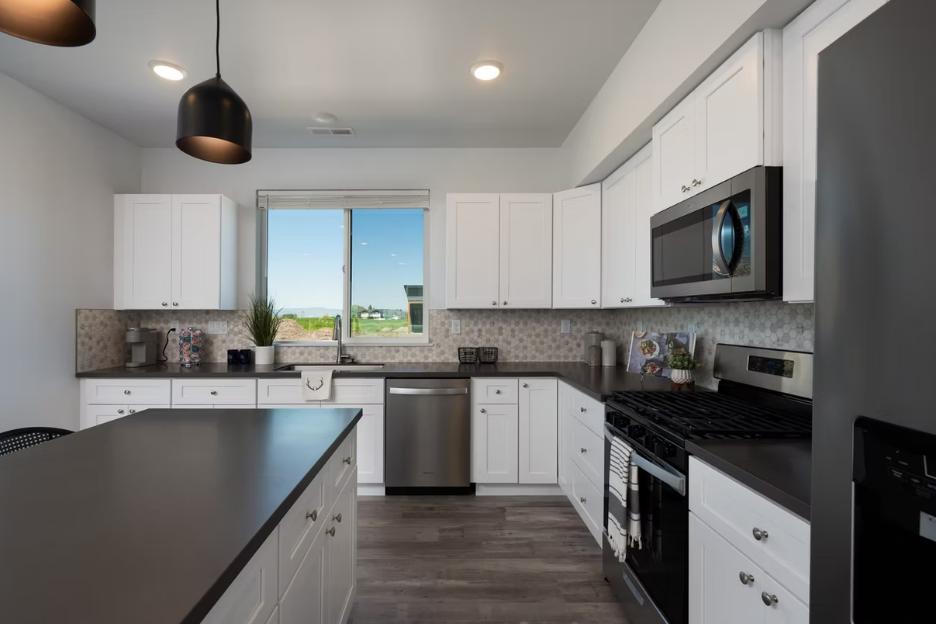
Numerous first-time buyers are concerned with only the listing price, but such a strategy may result in low financial results. The actual price of a piece of property consists of taxes, insurance, repairs, and potential improvements. Furthermore, the lack of paying attention to these costs may result in unstable finances following the purchase.
Ignoring these factors can reduce your overall return. For example, high property taxes or rising insurance premiums can eat into your long-term gains. A study available highlights how hidden ownership costs significantly affect real estate investment performance. These costs often increase over time, making early planning even more important.
You should calculate a full ownership budget before making a decision. Include both fixed and variable expenses. This step helps you avoid financial strain and ensures your investment remains sustainable. It also gives you a clearer picture of your true long-term commitment.
3. Focus On Resale Appeal from Day One
Coming to resale is a thought that many buyers consider only when intending to sell, but such a strategy tends to result in opportunities being overlooked. Therefore, smart investors take into account resale value during purchase. In fact, early settlement can have a permanent influence on the later ease of selling the home.
Flexible layouts, natural light, and practical designs are features that are likely to attract additional buyers in homes. Moreover, the neutral colors and useful interiors capture a broader audience. These characteristics, in turn, enhance the ease of selling the property in the future without large-scale renovations. Additionally, they also make your home more conspicuous in competitive markets.
You should also avoid overly personalized upgrades. Unique design choices may suit your taste, but limit buyer interest. A balanced approach helps maintain broad market appeal and supports future price growth. It ensures your home remains attractive to different types of buyers over time.
4. Build Equity Through Strategic Upgrades

Not all renovations deliver equal value. Some improvements increase property worth, while others simply add comfort without financial return. Knowing the difference is key. Making the wrong upgrades can limit your return and delay equity growth.
Kitchen updates, energy-efficient systems, and bathroom improvements often provide strong returns. Moreover, energy-efficient upgrades can improve both property value and long-term cost savings. These upgrades also make homes more appealing in competitive markets.
You should prioritize upgrades that combine usability and efficiency. Focus on improvements that future buyers will appreciate. This approach allows you to build equity steadily while enjoying the space. It also helps position your home as a stronger asset when it is time to sell.
5. Leverage Market Timing and Financing Strategy
Timing matters more than many buyers realize. Interest rates, local demand, and economic conditions all influence property value. Entering the market at the right time can improve your return significantly. Even a slight shift in market conditions can impact your purchase price and future equity.
Financing strategy also plays a major role. A lower interest rate reduces long-term costs and increases affordability. Even small differences in rates can save thousands over time. Choosing the right loan structure can also improve your financial flexibility in the years ahead.
You should review market trends before deciding. Compare mortgage options carefully and consider long-term implications. A well-planned financial strategy strengthens your investment and reduces risk. Taking time to analyze these factors can prevent costly decisions later.
Conclusion
Maximizing a new home investment requires more than choosing the right property. You need a clear plan. Location, cost awareness, resale focus, smart upgrades, and timing all work together to shape long-term results.
Start by evaluating your next purchase through an investment lens. Ask practical questions, review data, and think beyond short-term comfort. A disciplined approach today can turn your home into a powerful financial asset tomorrow.