


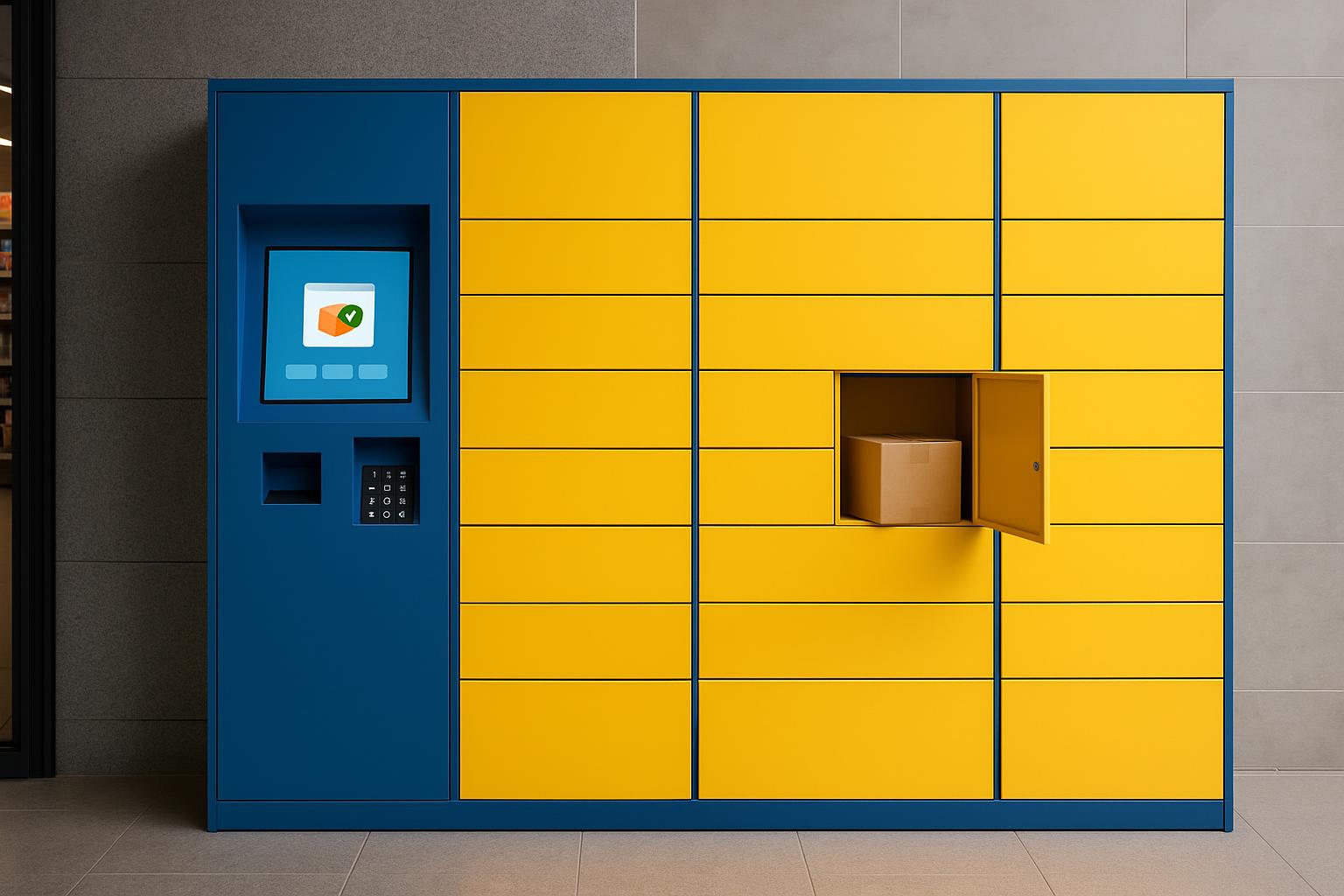
Retail has always involved a bit of a balancing act. Customers want speed, convenience and flexibility, while businesses need systems that are secure, manageable and financially sensible. Add online orders, click-and-collect expectations, staffing pressure and delivery headaches into the mix, and it’s easy to see why many retailers are looking for better ways to handle collections and returns.
Before making the move, though, it’s worth asking how much do smart lockers cost? because the answer usually depends on more than the lockers themselves. The size of the setup, number of compartments, software features, installation requirements, security needs and ongoing support can all influence the final investment.
Start with the problem you’re trying to solve
Contents
Smart lockers can look like a neat technology upgrade, but they work best when they’re solving a real operational problem. For some retailers, the issue is long queues at the service desk during peak periods. For others, it’s missed pickups, messy stockrooms, after-hours collection requests or staff spending too much time manually retrieving online orders.
Understanding the main pain point helps shape the right locker setup. A small store with moderate order volume probably doesn’t need the same system as a busy shopping centre, university campus, apartment complex or large-format retailer. The goal isn’t to buy the most impressive-looking solution; it’s to choose something that fits how customers actually collect goods.
The upfront price is only part of the picture
When comparing smart locker options, it’s tempting to focus only on the purchase or installation cost. That matters, of course, but it’s not the whole story. Retailers also need to think about software, integration with existing systems, maintenance, support, power access, site preparation and how the lockers will be managed day to day.
There’s also the question of return on investment. If lockers reduce staff interruptions, speed up order collection, extend pickup hours or improve the customer experience, the value may go beyond a simple equipment cost. A well-used locker system can help the business operate more smoothly, especially during busy trading periods.
Customer behaviour matters
Not every customer wants the same collection experience. Some people like speaking to staff. Others want to grab their order quickly and leave. Many shoppers are happy to use self-service options when the process is clear and reliable, but they’ll get frustrated quickly if instructions are confusing or the system feels clunky.
That means retailers need to think about the full customer journey. Where will the lockers be placed? Will they be easy to find? Can customers access them outside standard trading hours? Will the pickup instructions be simple? Is there a backup process if something goes wrong? The technology is only useful if customers feel comfortable using it.
Planning for growth
A smart locker setup should suit today’s needs, but it should also leave room for change. Online order volumes may grow, customer expectations may shift, and the business may want to use lockers for returns, repairs, staff items or other operational tasks in the future.
For retailers considering the investment, the smartest first step is to look beyond the hardware and think about the role lockers will play in the wider business. When the system is chosen carefully, smart lockers can reduce friction for staff, give customers more flexibility and make click-and-collect feel much more efficient.