

Keeping academic integrity safe has become a massive priority for schools, colleges, and universities around the world today. When students use automated language tools to complete essays and assignments, teachers need trustworthy ways to verify original work. A dependable AI detector like Quetext, Proofademic, etc, helps educators review submissions while keeping learning fair, transparent, and honest. Choosing the right software ensures that hardworking students receive proper credit for their genuine effort. Using an AI detection platform gives modern classrooms a clear and accessible way to spot machine-written text before grading. In this comprehensive guide, you will learn about seven outstanding software choices designed to protect classroom standards, encourage ethical writing habits, and help teachers maintain authentic learning environments.
1. Quetext
Contents
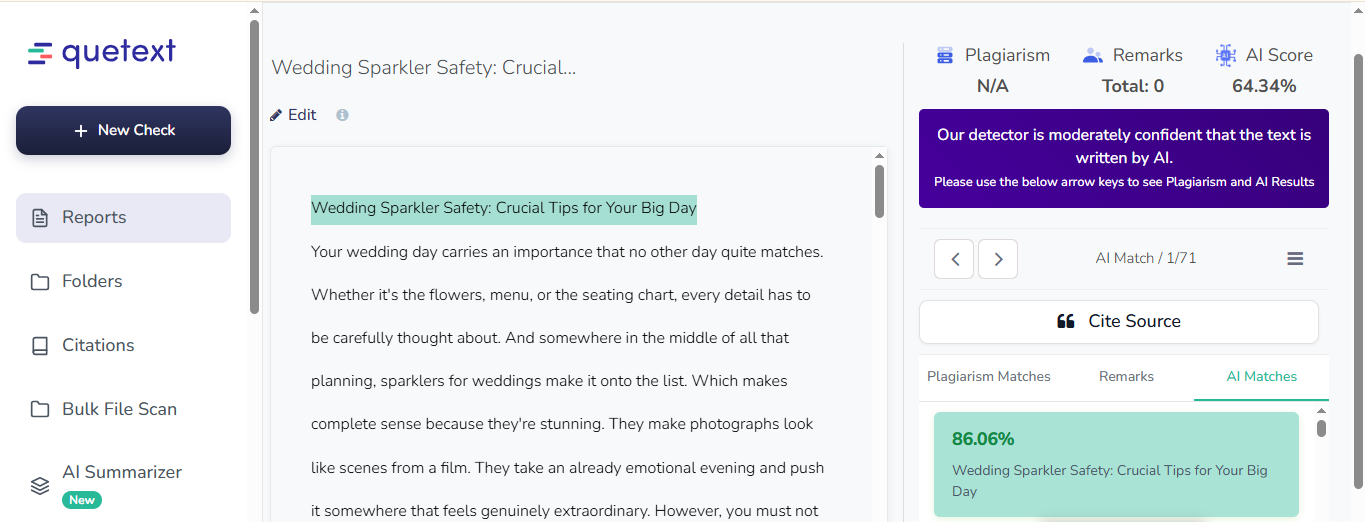
Quetext AI detector is a well-known platform that offers deep linguistic checks to identify machine-written content across student papers. It analyses text sentence by sentence to catch predictable phrasing, robotic rhythm, and a lack of personal emotion. Educators and students appreciate how quickly it delivers clear, easy-to-understand feedback.
Strengths | What It Lacks |
|
|
2. Proofademic
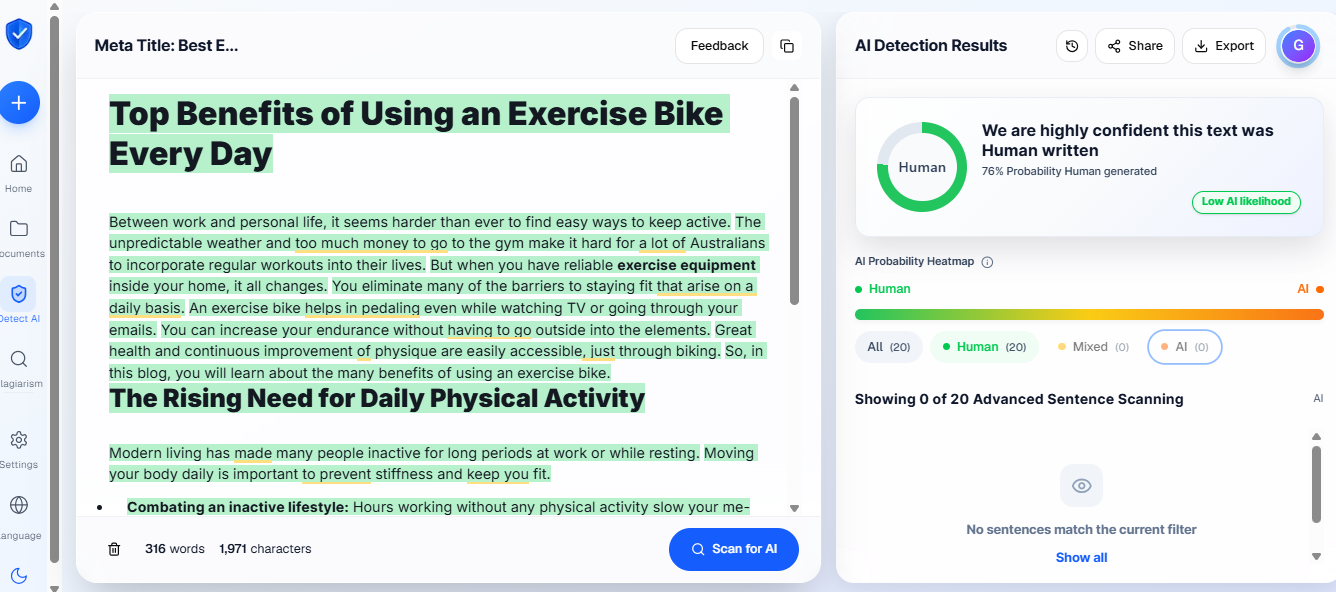
Proofademic focuses heavily on university-level research, thesis verification, and scholarly publishing standards. It checks submitted drafts against extensive academic databases, journal collections, and digital archives. Professors rely on its detailed reporting to ensure that submitted papers reflect genuine human research rather than AI-generated text.
Strengths | What It Lacks |
|
|
3. Turnitin
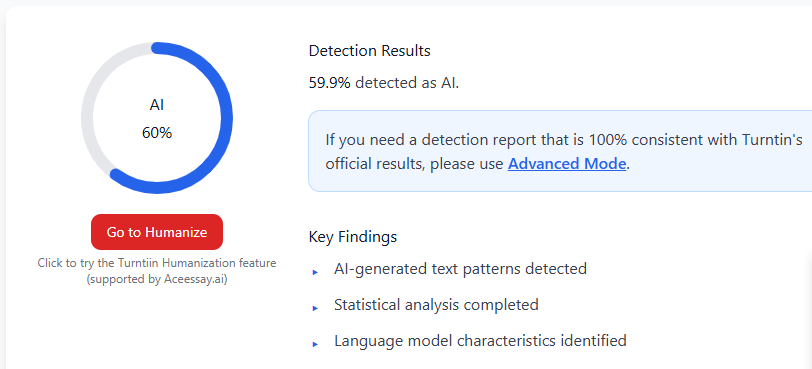
Turnitin is an established AI detector known for performing its checks for students around the world. It evaluates student assignments accurately. Teachers depend on its comprehensive matching technology to catch both plagiarised content and suspicious machine writing patterns.
Strengths | What It Lacks |
|
|
4. GPT Zero
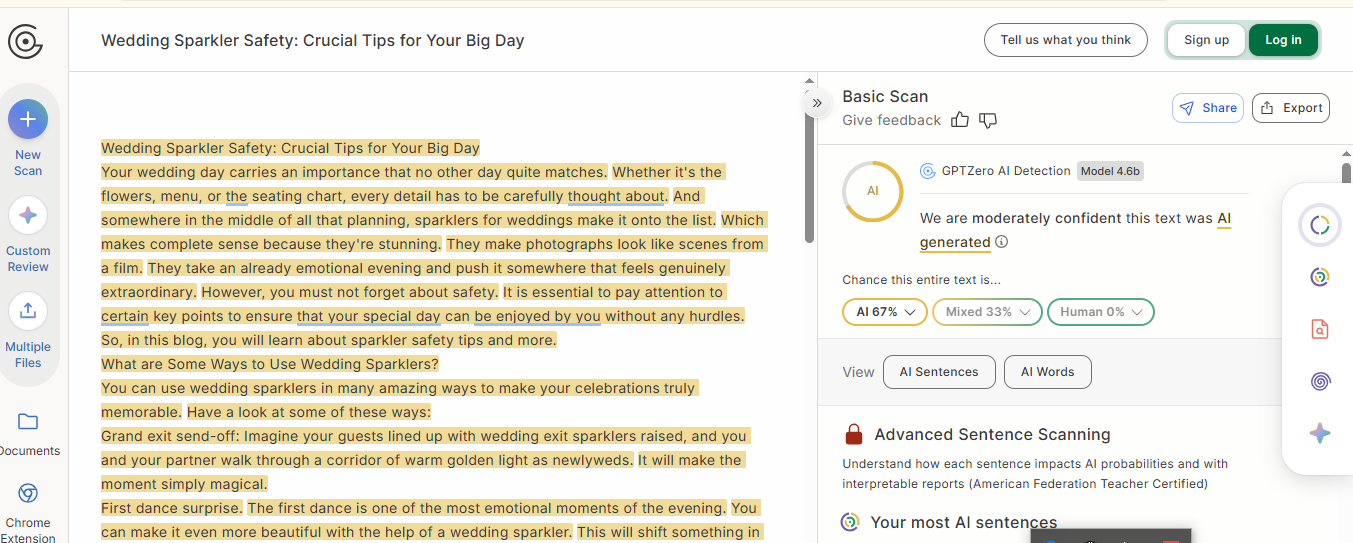
GPT Zero centres its detection methodology on evaluating sentence complexity, structure, and structural variation across an entire document. It calculates how much variance exists in vocabulary and phrasing to determine whether a human wrote the text. Educators often use this tool when they need a quick, reliable evaluation.
Strengths | What It Lacks |
|
|
5. Copyleaks

Copyleaks scans text in order to detect AI-generated content. It utilises sophisticated machine learning models to scan text generated by many different language engines. The underlying system receives regular updates to ensure it stays ahead of emerging writing models.
Strengths | What It Lacks |
|
|
6. Originality AI

Originality AI is created primarily for web publishers, professional writers, and serious content teams. It offers deep scanning capabilities that look for artificial text signatures. Editorial teams and educators rely on its thorough auditing features to maintain high standards across large collections of written material.
Strengths | What It Lacks |
|
|
7. Grammarly AI Detector
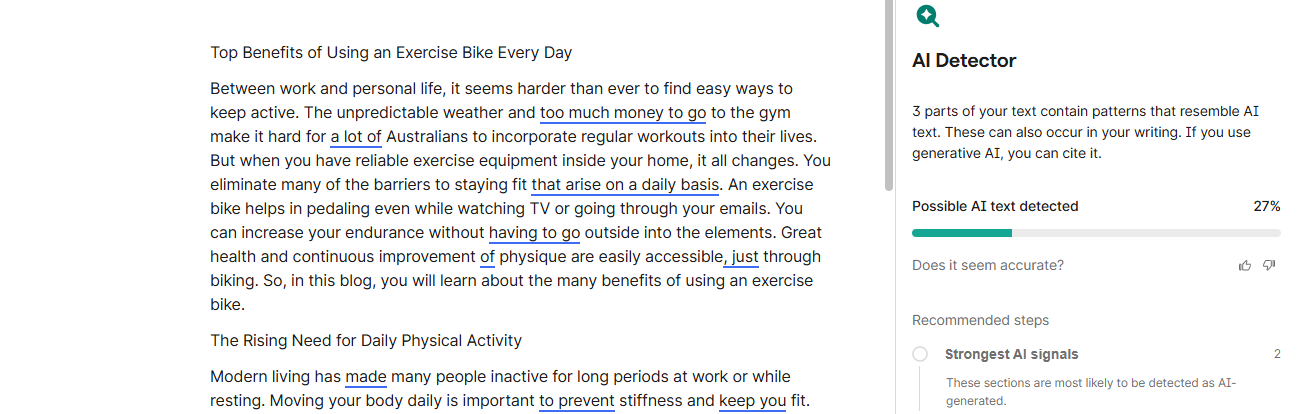
Grammarly builds artificial intelligence detection directly into its widely used editing and proofreading platform. Writers and students can review their drafts for robotic phrasing while simultaneously correcting grammar, spelling, and clarity issues. It assists writers in refining their individual style before submitting final papers to their teachers.
Strengths | What It Lacks |
|
|
Conclusion
Protecting genuine academic integrity requires a balanced combination of modern technology and thoughtful human judgment. These seven specialised software applications give teachers and educational institutions strong options to support honesty in every classroom. While no automated system is completely error-free on every paper, using a reliable AI detector like Quetext, GPT Zero, etc helps start important conversations about authentic learning and original thought. Schools should always pair these digital tools with clear discussions about research ethics so students understand why honest writing matters. When educators and students work together with clear guidelines and helpful evaluation tools, academic standards stay strong, fair, and meaningful for everyone involved in the learning process.