


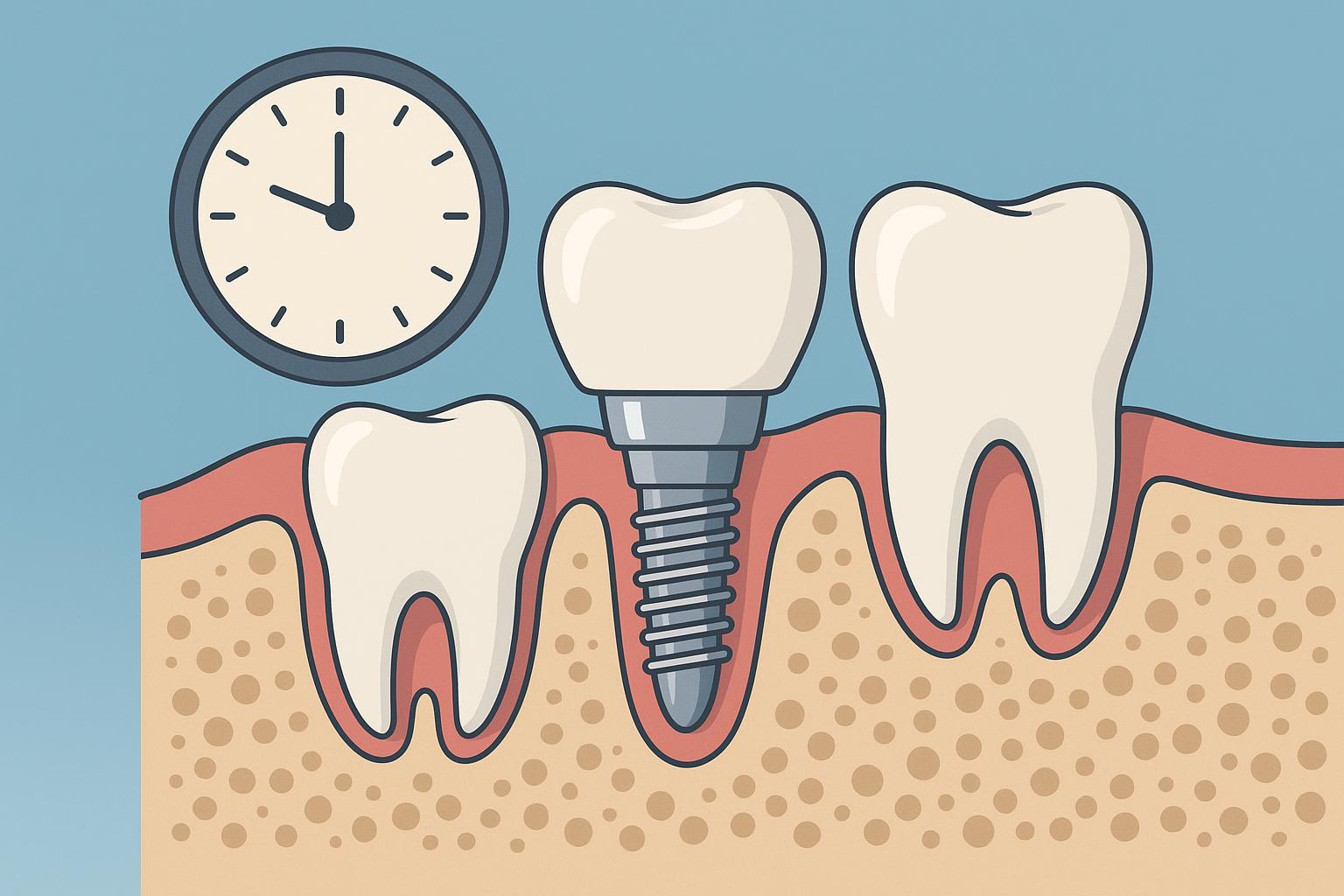
Patients ask about the lifespan of dental implants all the time, and honestly, it’s one of the first things people want to know. The short answer? These replacements can easily last twenty-five years or longer when patients commit to proper care. That timeframe isn’t guaranteed, though.
A lot depends on daily hygiene habits, regular dental visits, and factors like bone quality. Lifestyle choices and any existing health conditions matter too. The more effort a patient puts in, the better the chances of enjoying those results for decades.
Factors Influencing Implant Durability
Contents
The durability of dental implants isn’t determined by a single factor. Instead, it’s a combination of things working together. Jawbone density at the placement site matters quite a bit; stronger bone means better support for the titanium post. In addition, personal habits are also important. Smoking, teeth grinding, and poor nutrition can all have a negative impact over time. Health conditions like uncontrolled diabetes can slow healing and affect how well the implant integrates. Each patient’s situation is different, so outcomes vary.
The Importance of Oral Hygiene
The point might seem obvious, but oral hygiene is truly one of the most important factors. Brushing twice a day, flossing once a day—these basics keep bacteria from building up around the implant. Professional cleanings every six months allow the dental team to check on gum health and bone density around the restoration. Using a soft-bristled brush and avoiding abrasive toothpaste helps too, since harsh products can damage the implant surface over time.
Patients interested in learning more about their options can look into providers offering dental implants in Las Vegas, NV, to get a clearer picture of what the process involves.
Healing and Integration Period
The months right after surgery matter more than most people realize. That’s when the titanium post needs to bond with the surrounding bone, a process called osseointegration. Following post-operative instructions carefully during this window makes a real difference. Soft foods, avoiding pressure on the healing site—these small steps add up. Keeping all follow-up appointments is important too, since they allow the dental team to monitor progress and catch any issues early.
Lifestyle Choices and Their Impact
Certain habits can genuinely undermine how long an implant lasts. Smoking is probably the biggest offender here. It restricts blood flow to healing tissues and raises infection risk. Teeth grinding puts stress on the restoration that it simply wasn’t built to handle repeatedly. Diabetes that’s not well-managed also complicates healing. Talking through these risk factors with a dentist helps patients make choices that protect their investment long-term.
Expected Success Rates
The clinical data here is actually pretty reassuring. Around ninety-five percent of implants still function well five years later. Most failures happen within the first year, usually because of infection or poor bone integration. For patients who stick with recommended maintenance, those numbers hold up well over the long haul. Of course, these are averages across many different patients and situations.
Warning Signs to Monitor
Being aware of potential problems helps catch them before they become serious. Redness, swelling, or bleeding that persists around the restoration site deserves attention. If the implant feels loose or chewing becomes uncomfortable, that’s worth getting checked out. Regular X-rays let dental teams spot bone loss before it progresses too far. Addressing concerns promptly keeps small issues from turning into bigger ones.
When Replacement Becomes Necessary
Even though many implants serve patients for decades, sometimes intervention becomes necessary. The visible crown portion may need refreshing after fifteen to twenty years due to normal wear. Significant bone loss around the post can affect stability and require additional treatment. The good news? Modern dentistry has options for handling these situations while still preserving healthy surrounding structures. Patients who stay committed to ongoing care tend to see the best long-term results.
Conclusion
Dental implants offer a durable, reliable way to replace missing teeth. Consistent daily care combined with regular professional checkups typically translates to twenty or more years of useful function. Anyone considering this treatment should have an open conversation with their dental provider about their specific situation and risk factors. The effort put into maintenance pays off with improved function and a better quality of life for years to come.