


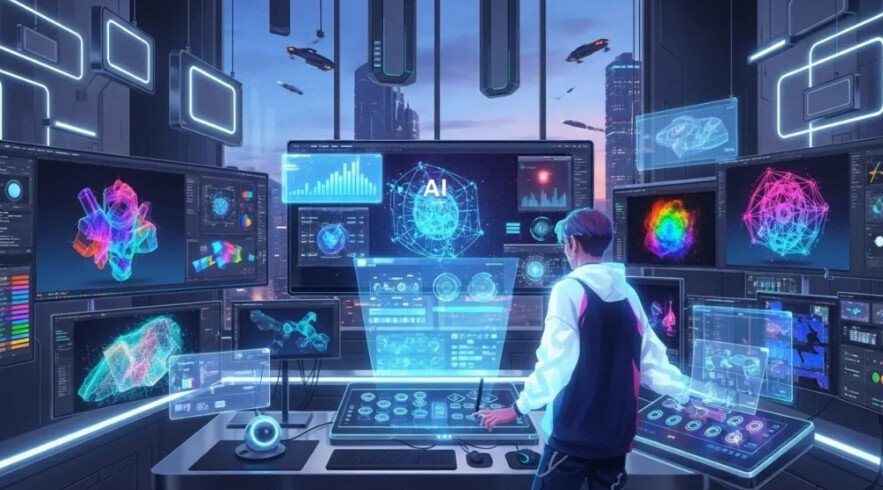
Learn how personalized AI video generation boosts customer engagement, improves retention, creates relevant content, and builds stronger digital customer relationships.
Keeping customers interested is becoming a major challenge for businesses that rely on digital content. People see countless videos, advertisements, and social media posts every day, so generic messages can easily lose their attention. Personalized AI video generation offers a different approach by helping brands create content that reflects individual interests, viewing habits, and customer needs. From tailored product demonstrations to interactive character videos, this technology gives businesses more ways to communicate with their audiences. When used thoughtfully, personalized videos can make digital experiences more relevant, encourage repeat visits, and build stronger customer relationships.
This article explains how personalized AI videos improve engagement, encourage repeat interactions, support marketing campaigns, and create more relevant digital experiences.
Why Personalized Videos Capture Customer Attention
Contents
- Why Personalized Videos Capture Customer Attention
- How AI Video Generation Encourages Repeat Visits
- Creating Content That Matches Different Customer Interests
- Personalized Videos Make Product Demonstrations Easier
- How Interactive Characters Can Build Engagement
- Social Media Videos Can Encourage More Meaningful Interaction
- Keeping Video Experiences Consistent Across Sessions
- Best Practices for Using Personalized AI Videos
- Conclusion
Video content can communicate information through movement, visuals, narration, and storytelling. Personalization adds another layer by making the message more relevant to the person watching it.
A generic product advertisement might present the same message to every viewer. In comparison, a personalized video could highlight different product benefits based on a customer’s interests or previous interactions with a brand.
For example, an online fashion store could create videos featuring clothing recommendations based on a shopper’s selected style. A software company might present a short demonstration focused on the tools a new customer wants to use.
AI video generation improves engagement when the content answers a viewer’s actual questions rather than simply attracting attention.
Several elements can make these videos more effective:
- Relevant messaging: Content addresses a specific interest, question, or need.
- Visual customization: Scenes, products, backgrounds, or characters can reflect the intended audience.
- Flexible presentation: Brands can create versions suited to different customer groups.
- Clear communication: Short demonstrations can explain products without lengthy descriptions.
- Consistent delivery: Businesses can maintain a recognizable style across multiple campaigns.
However, personalization should serve a clear purpose. Adding a customer’s name to a video will not automatically make the content useful if the message itself lacks value.
How AI Video Generation Encourages Repeat Visits
Customer engagement does not end when someone watches a video. Businesses also want viewers to return, interact with new content, and continue using their products or services.
Personalized videos can support this goal by making each interaction more relevant to the customer’s stage in the journey.
For instance, a new user might receive a brief introduction explaining how to set up an account. Later, a follow-up video could demonstrate a useful feature based on the user’s progress. A returning customer might receive a product update or a recommendation related to previous interests.
This approach can make communication feel more helpful and less repetitive.
AI video generation improves retention when businesses use it to answer changing customer needs over time. Nevertheless, repeat visits depend on the overall experience, including product quality, customer support, ease of use, and the usefulness of the content.
A video may encourage someone to return, but the service itself must give that person a good reason to stay.
Creating Content That Matches Different Customer Interests
Different audiences respond to different visual styles, topics, and storytelling approaches. A single video may work well for one group but fail to connect with another. Personalized generation allows businesses to produce variations without manually creating every version from scratch.
An educational application, for example, could prepare short explainer videos for beginners and more advanced tutorials for experienced users. Similarly, an entertainment platform might offer different character styles or story themes according to viewers’ stated preferences.
Secrets AI provides an example of personalized AI character experiences, where customization can shape how users interact with digital characters. This type of experience illustrates why audience preferences matter when creating content designed to encourage ongoing interaction.
AI video generation improves the customer experience when customization makes the content feel relevant, consistent, and easy to follow. Businesses should still review generated videos to ensure that the message remains accurate and appropriate for the intended audience.
Personalized Videos Make Product Demonstrations Easier
Customers often want to see how a product works before deciding whether it meets their needs. Written descriptions can explain specifications, but videos can demonstrate actions, workflows, and practical results more clearly.
AI-assisted video production can help businesses create product demonstrations for different audiences. A fitness brand might present a beginner-friendly introduction, while a technology company could produce separate walkthroughs for individual software features.
Useful applications include:
- Welcome videos: Introduce new customers to a service and explain the first steps.
- Product tutorials: Demonstrate how to use particular tools or features.
- Personalized recommendations: Present products that match selected preferences.
- Customer support videos: Answer common questions with visual instructions.
- Follow-up messages: Explain relevant updates or suggest useful next actions.
These formats can reduce confusion and help customers feel more confident using a product. However, every video should provide practical information rather than simply pushing viewers toward a purchase.
How Interactive Characters Can Build Engagement
Personalized video content is not limited to traditional advertisements and product demonstrations. Digital characters can also support storytelling, entertainment, and interactive experiences.
An AI girlfriend experience, for example, may combine character customization with conversational interaction to create a more personal form of digital entertainment. In video-based environments, character appearance, expressions, dialogue, and scene design can make the experience feel more engaging.
Secrets AI is relevant to this category because its personalized character experiences illustrate how digital content can reflect individual preferences. For businesses and creators, the broader lesson is that consistent characters and recognizable visual styles can encourage audiences to return for more content.
Still, the experience should match the audience and the platform’s content rules. Creators must also avoid presenting simulated characters as real people or making misleading claims about what generated content represents.
Social Media Videos Can Encourage More Meaningful Interaction
Social media users often decide quickly whether a video deserves their attention. Personalized content can help creators present topics that match their audience’s interests while maintaining a consistent publishing style.
A travel creator could generate different destination videos for viewers interested in beaches, city breaks, or outdoor activities. An online retailer might produce separate clips highlighting product uses, styling suggestions, or customer questions.
AI video generation improves social engagement when the content gives viewers a reason to watch, respond, share, or visit another page.
Creators working with adult-oriented content also need to consider consent, platform rules, and audience restrictions. An AI generated NSFW reel, for example, should only be produced and distributed within applicable laws and platform policies, with appropriate safeguards against non-consensual depictions and the sexualization of minors.
Regardless of the content category, personalization should not rely on deceptive editing, unauthorized likenesses, or misleading representations. Responsible production helps protect both audience trust and brand reputation.
Keeping Video Experiences Consistent Across Sessions
Consistency matters when customers return to an application or content platform. If every interaction feels unrelated to the previous one, users may struggle to maintain interest.
Businesses can create continuity through recurring characters, familiar visual themes, clear storylines, and content recommendations that reflect previous choices. Where users have explicitly enabled saved preferences, these details can also help shape later experiences.
For example, someone following an educational series may appreciate a new video that continues from the previous lesson. A character-based platform might allow users to save conversations or revisit earlier interactions; searches for character AI save chats reflect this type of user need.
Secrets AI offers another example of a personalized digital experience in which character preferences can be important to the overall interaction. The available options and data controls should always be checked directly on the service.
AI video generation improves long-term engagement when continuity is useful rather than intrusive. Users should have suitable controls over saved information, recommendations, and personalization settings.
Best Practices for Using Personalized AI Videos
Creating more videos does not automatically lead to stronger customer relationships. Businesses need a clear plan for making content relevant, accurate, and respectful of audience preferences.
Consider these practical steps:
- Define the purpose: Decide whether the video should educate, entertain, support a purchase, or help users complete a task.
- Know the audience: Use appropriate customer preferences and feedback instead of making unsupported assumptions.
- Keep the message clear: Focus each video on one main idea or action.
- Review generated content: Check facts, captions, audio, visuals, and branding before publication.
- Respect privacy: Obtain appropriate consent before using personal data or likenesses.
- Measure meaningful outcomes: Assess completion rates, repeat visits, feedback, and useful customer actions rather than views alone.
- Improve through feedback: Adjust future videos according to what customers find helpful.
Secrets AI also illustrates the importance of tailoring digital experiences to individual interests. Across different industries, the strongest personalization strategies balance creative flexibility with transparency, quality, and user control.
Conclusion
Personalized AI video generation gives businesses new ways to communicate, demonstrate products, and maintain customer interest. Relevant messaging, customized visuals, interactive characters, and consistent content can encourage viewers to return and engage more frequently. However, successful results depend on more than automation. Videos must provide genuine value, respect privacy, and deliver accurate information.
AI video generation improves engagement most effectively when it supports a useful customer experience rather than replacing meaningful communication. With thoughtful planning and regular feedback, businesses can create digital content that feels relevant, builds trust, and supports lasting customer relationships.