



Lawns face demanding conditions, including seasonal extremes of temperature and moisture, and soils that range from quick-draining to slow-draining and heavy. Overall, these conditions mean that the lawn may end up looking thin, patchy, and weedy when spring comes around. The good news is that you do not have to wait an entire year to see results.
With a routine built around local conditions, improvements often appear within a few weeks: richer color, fewer weeds, and a smoother, more even surface. The trick is doing the right thing at the right time instead of guessing what should be done. Fertilizing, weed control, aeration, overseeding, mowing, and watering each play a role, and when combined, they deliver impressive results.
This guide covers six practical steps that create fast, visible results for homeowners.
1. Identify Lawn Problems Before Treating Them
Contents
A lawn gets better much quicker if the treatment helps with the underlying issue rather than the symptoms of it. In areas like South Bend, where the soil can range from quick-draining to slow-draining and heavy, problems often have more than one cause.
Hence, for lawn care in South Bend, the first step is identifying whether thin grass, bare patches, or weeds are linked to soil conditions, compaction, poor drainage, nutrient deficiencies, or unsuitable grass growth. Homeowners often get better results by leveraging professional lawn care services to diagnose the cause accurately.
Likewise, each yard in South Bend may be different due to the condition of your yard. Some yards drain quickly and get dried up in summer, whereas others stay wet and compacted after the spring rains. So, finding out the type of grass, thatch layer, soil condition, and spots with weeds or bare spots will help you decide on the treatment.
2. Feed the Lawn With Balanced, Slow-Release Nutrition
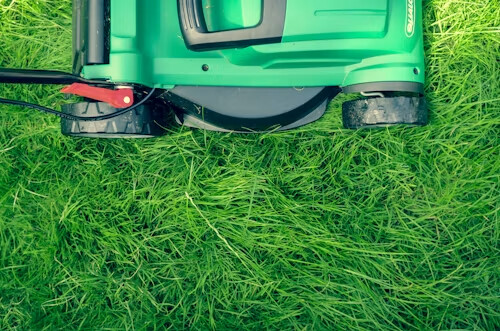
Fertilizer is the fastest way to improve color and density, but type and timing matter. Slow-release granular products feed grass steadily for roughly 90 to 120 days, avoiding the surge and burnout of quick-release products. This is especially helpful on lighter, faster-draining soils, where nutrients can wash past the roots before the grass uses them.
Timing is just as important. According to research, a thin lawn can often be improved with a nitrogen-rich application in mid-September, with an extra application in mid-October if the turf is especially sparse. In northern Indiana, where winters are long, a fall feeding helps roots store energy before the first snow.
3. Control Weeds Before They Take Over
Weeds will compete with your grass for water, sunlight, and nutrients, and because the summer months are typically hot and wet, they have lots of chances to grow. Post-emergent weed control removes weeds already present, providing an instant aesthetic boost and helping your grass survive.
Since rainfall peaks during the growing season, new weeds emerge after each rain, so weeds appear in repeated waves rather than all at once. Weed control works best alongside thick, vigorous turf, which shades the soil and leaves little room for seedlings.
4. Aerate and Overseed for Density
If your lawn appears thin, compacted, or patchy, aeration and overseeding may be the most powerful step available. Foot traffic, regular use, and dense soils all contribute to compaction, which makes it harder for air, water, and nutrients to reach the roots. Core aeration pulls small plugs of soil out of the ground, letting water, oxygen, and nutrients reach the roots.
Timing matters. For core aeration and overseeding, fall is usually the best time for cool-season lawns. The soil is still warm enough for seeds to germinate, and the cooler air helps new grass establish before winter arrives.
On top of that, advice from studies notes that thatch should ideally be about a quarter inch or less when overseeding, and that fertilizer should be applied at the rates listed on the bag.
The payoff is a denser turf with well-developed roots to withstand traffic, drought, and weed pressure.
5. Mow and Water the Smart Way
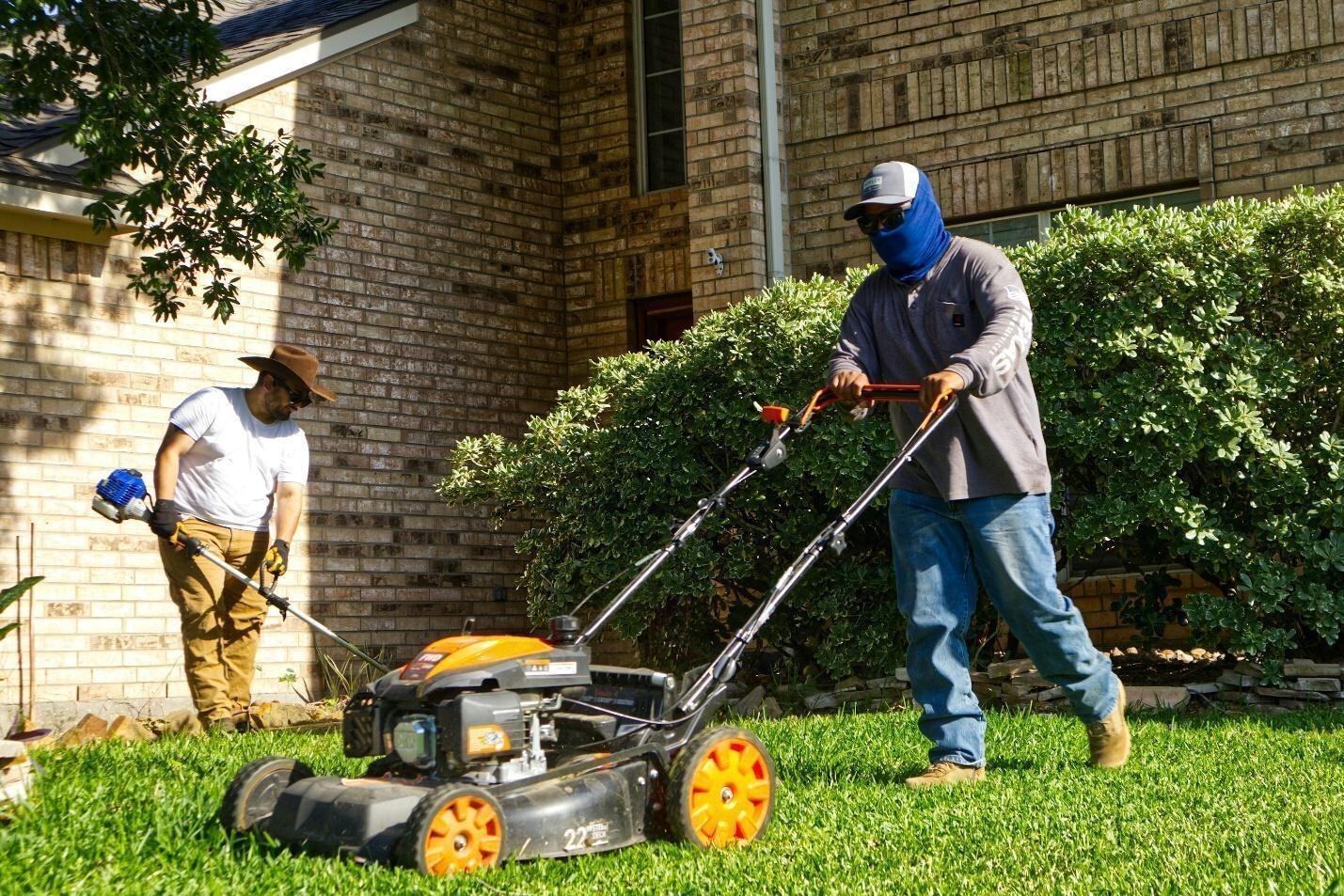
Mowing your grass too short puts stress on the plant, leaves the soil exposed, and invites weeds. When you mow, remove no more than one-third of the blade at a time, and keep the mower at 3 inches for cool-season grass. The taller grass will shade the soil and protect it during the hot weather each year, when temperatures rise above 90 degrees.
Your goal is to apply about an inch of water per week, counting any rainwater, in infrequent, deep applications in the morning. Deep watering encourages stronger roots, and morning is best because the grass dries out during the day, which helps prevent disease.

6. Follow a Seasonal Schedule and Stay Consistent
A lawn’s needs change throughout the year, so the timing of each task matters as much as the task itself. For instance, early spring is ideal for cleanup, weed prevention, and liquid aeration. Summer calls for steady mowing and careful watering. Fall is the season for core aeration, overseeding, and the most important feeding of the year. Winter is mostly a rest period, when the lawn is dormant and needs very little from you.
Consistency turns quick wins into lasting results. A single treatment can brighten a lawn, but a recurring program keeps improvements going and stops problems from returning.
Final Thoughts
The perfect lawn is not about using any magic formula. It is about following the proper procedure in the proper sequence according to local climate and soils: a clear assessment, balanced feeding, targeted weed control, aeration and seeding, smart mowing and watering, and a seasonal plan you actually follow. These routines can result in a remarkable transformation in only a couple of weeks. Start with the area that needs the most attention, then maintain a consistent routine throughout the year.