


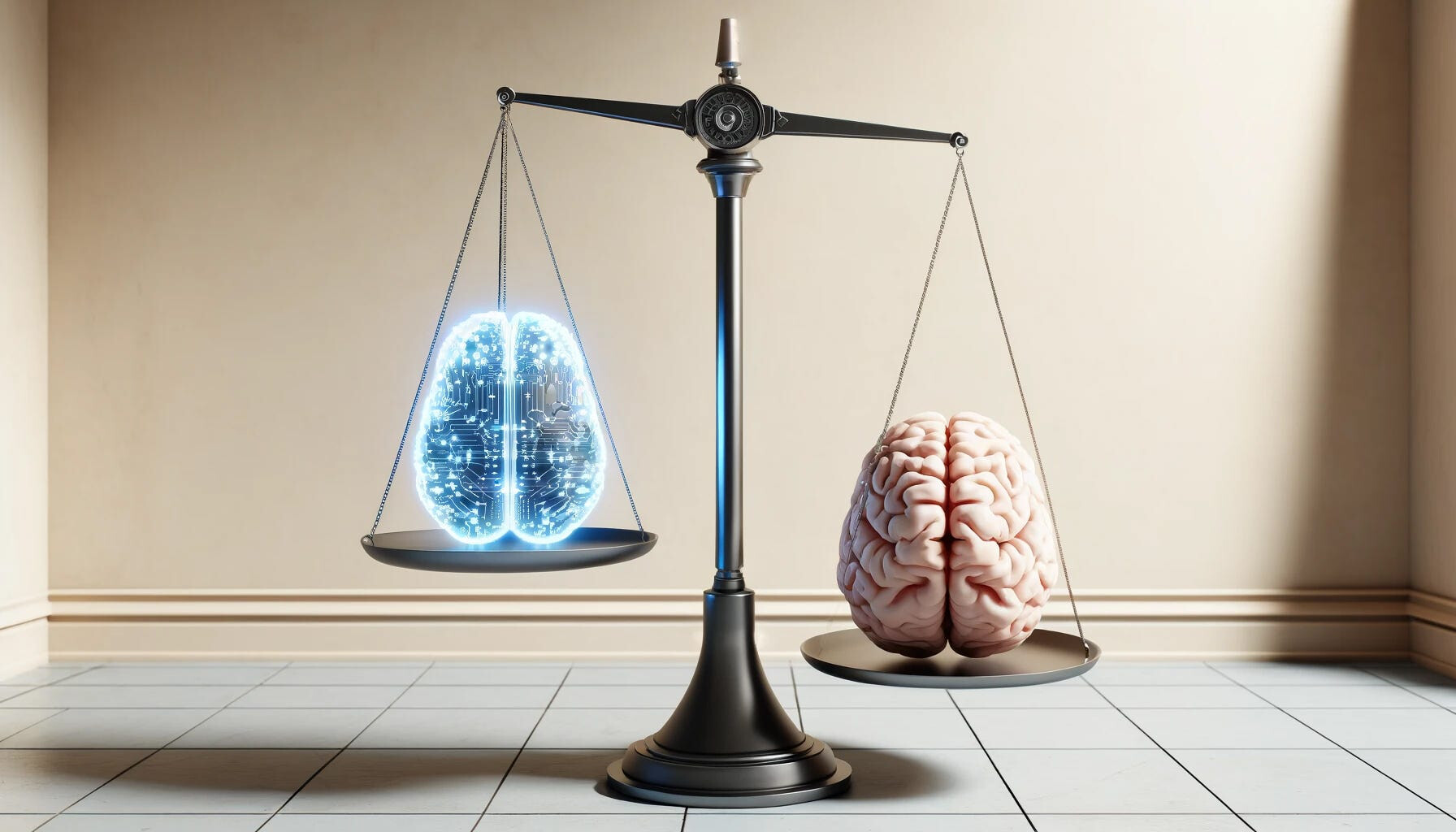
Artificial intelligence has become an essential part of modern life. From businesses automating customer service to individuals using AI for everyday decisions, the technology offers speed, convenience, and efficiency. Tasks that once required hours of effort can now be completed within minutes.
However, as AI becomes more deeply embedded in daily operations, its disadvantages are becoming harder to ignore. Excessive dependence on automated systems can weaken critical thinking, introduce security risks, reduce human interaction, and create unexpected financial burdens.
The concern is not the adoption of artificial intelligence itself but the growing tendency to trust technology without questioning its limitations. Understanding these hidden costs is essential for businesses and individuals seeking to benefit from AI without becoming entirely dependent on it.
The Gradual Decline of Critical Thinking
One of the less visible consequences of AI dependency is the decline of independent thinking. When people consistently turn to automated tools for answers, they may spend less time evaluating information, exploring alternatives, and developing their own conclusions.
Employees who rely heavily on AI to solve problems may gradually lose confidence in their ability to handle unfamiliar situations independently. Similarly, students who use automated platforms to complete assignments may miss valuable opportunities to develop research and analytical skills.
AI can provide convincing answers even when the information is incomplete or incorrect. Without independent judgment, users may accept these responses without recognizing potential errors.
Maintaining a balance between technological assistance and personal reasoning is essential for preserving intellectual independence.
The Risk of Losing Human Judgment
AI systems can analyze large amounts of information, identify patterns, and offer recommendations. However, they cannot fully understand the emotional, ethical, and situational factors that influence human decisions.
This limitation becomes particularly important in industries such as healthcare, aviation, finance, and emergency services, where decisions can have serious consequences.
For example, an automated system may recommend a particular course of action based on historical data without accounting for unusual circumstances that require professional experience and immediate intervention.
Sharon Amos, Director at Air Ambulance 1, highlighted the importance of human responsibility in a previously published discussion about AI oversight:
“Technology can process information in seconds, but it cannot fully appreciate the consequences of a difficult decision. In emergency services, even the smallest detail can change the outcome. Human judgment remains essential when circumstances fall outside predictable patterns.”
Organizations must recognize that technology can support professional judgment without replacing the experience, responsibility, and adaptability that people bring to complex situations.
Growing Cybersecurity and Data Privacy Concerns
As businesses integrate AI into their operations, they often share large amounts of sensitive information with digital platforms. Customer records, financial details, internal documents, and confidential business strategies may become vulnerable if appropriate security measures are not in place.
Employees may unintentionally expose sensitive information by entering confidential data into unauthorized AI tools. Businesses may also lose visibility into how third-party platforms store, process, and protect their information.
The consequences of a security breach can extend beyond immediate financial losses. Organizations may experience reputational damage, legal complications, and declining customer confidence.
Regular security assessments, controlled access permissions, employee training, and reliable infrastructure can help businesses reduce these risks while continuing to benefit from artificial intelligence.
Technology Dependency and Operational Disruptions
Businesses that rely heavily on AI-powered platforms may struggle to maintain operations when those systems become unavailable. Server outages, software failures, connectivity problems, and unexpected changes to third-party services can interrupt essential workflows.
The problem becomes more serious when organizations abandon traditional processes without developing suitable backup arrangements.
A customer service department that depends entirely on automated responses, for example, may find itself unable to handle customer requests effectively during a technical disruption.
Tal Holtzer, CEO of VPSServer, previously emphasized the importance of reliable AI management, explaining:
“The real cost of AI dependency becomes apparent when the technology stops working. Businesses that sacrifice operational flexibility for automation often discover that convenience comes at the expense of resilience. A reliable technology strategy must account for failure, not just performance.”
Reliable hosting infrastructure, data backups, alternative communication channels, and documented recovery procedures are essential for maintaining business continuity. Organizations should regularly evaluate whether their teams can continue working when automated systems fail.
The Decline of Creativity and Originality
Artificial intelligence has made content production, graphic design, software development, and marketing considerably faster. However, excessive reliance on generated material can contribute to a decline in originality.
When businesses use similar tools, prompts, and information sources, their content may begin to look and sound alike. Marketing campaigns can lose their distinctive personality, while creative professionals may spend less time experimenting with unconventional ideas.
Originality often develops through personal experiences, curiosity, observation, and even failure. These experiences shape perspectives that automated systems cannot independently acquire in the same way people do.
Businesses that prioritize speed over originality may eventually struggle to distinguish themselves from competitors.
AI should serve as a starting point for creative exploration rather than a substitute for independent thought and imagination.
The Spread of Inaccurate Information
One of the most concerning limitations of generative AI is its ability to produce inaccurate information in a highly convincing manner.
Unlike traditional databases that retrieve stored records, generative AI can produce responses containing incorrect statistics, nonexistent references, or misleading explanations.
The National Institute of Standards and Technology (NIST) identifies confidently presented false information and excessive trust in automated systems among the risks associated with generative AI.
NIST Publications
Businesses that publish AI-generated material without verification risk damaging their credibility. In professional environments, incorrect information can also influence financial decisions, legal documents, and operational strategies.
Establishing clear fact-checking procedures and requiring human review for important communications can prevent inaccurate information from becoming an accepted part of business operations.
The Loss of Meaningful Human Interaction
Automation has transformed the way businesses communicate with customers. Chatbots, virtual assistants, and automated emails allow organizations to respond quickly while reducing administrative workloads.
However, efficiency does not always translate into customer satisfaction.
People experiencing complex problems often prefer speaking with someone who understands their circumstances. Automated systems may struggle to recognize frustration, interpret emotional responses, or provide flexible solutions.
The same challenge exists within workplaces. Excessive automation can reduce opportunities for collaboration, mentorship, and informal conversations that help employees develop stronger professional relationships.
Businesses should preserve human interaction wherever empathy, trust, and personal understanding contribute to the quality of a service.
Workforce Skills and Professional Development
As AI takes responsibility for more routine tasks, employees may have fewer opportunities to develop fundamental professional skills.
Junior developers who depend entirely on generated code may struggle to troubleshoot technical problems independently. Marketing professionals who rely exclusively on automated writing tools may find it difficult to develop effective communication strategies without assistance.
Over time, this can create a workforce that understands how to operate AI tools but lacks the underlying knowledge required to evaluate their performance.
Organizations should continue investing in employee development, practical training, and independent problem-solving exercises. Technological proficiency and traditional professional skills should develop alongside each other.
Building a Balanced Approach to AI Adoption
Responsible AI adoption begins with understanding where automation delivers genuine value and where human involvement remains necessary.
Businesses should establish clear policies regarding acceptable AI use, information security, content verification, and professional accountability. Employees must understand the limitations of the tools they use and feel comfortable questioning automated recommendations.
Regular assessments can help organizations identify unnecessary dependencies, unexpected expenses, and emerging operational risks.
Instead of measuring success solely through faster production or reduced labor costs, businesses should also consider accuracy, customer satisfaction, employee development, and long-term operational resilience.
Conclusion
Artificial intelligence offers significant opportunities for innovation, productivity, and business growth. However, excessive dependence on automated systems introduces hidden costs that can affect financial stability, creativity, security, professional development, and human relationships.
The most successful organizations will not necessarily be those that automate everything. They will be those that understand which responsibilities can be delegated to technology and which require human experience.
By maintaining independent thinking, investing in reliable infrastructure, and preserving meaningful human involvement, businesses can benefit from artificial intelligence without sacrificing the qualities that make them adaptable, trustworthy, and resilient.