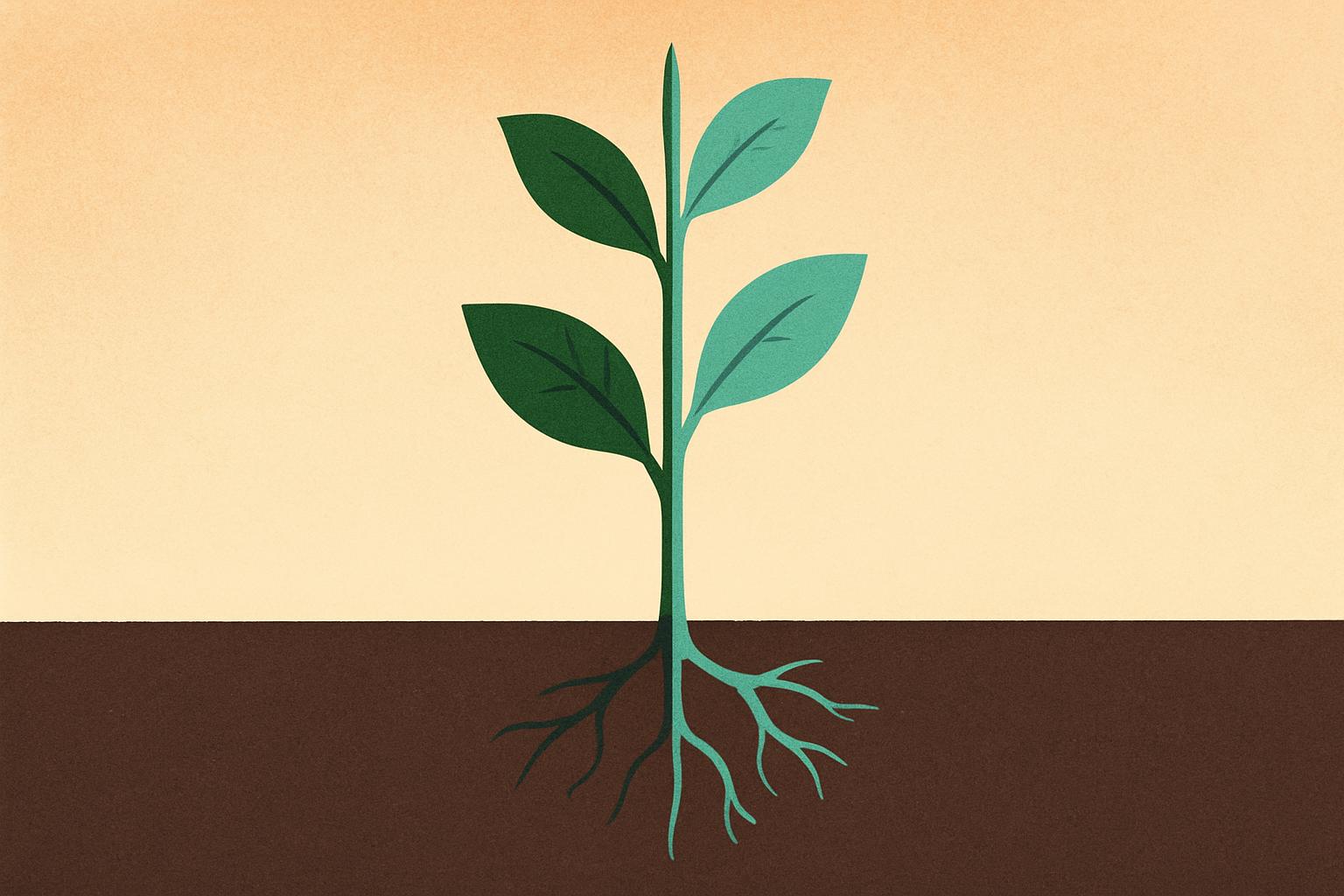
Growth Does Not Require Self Rejection
A lot of personal growth advice starts with a quiet insult. It suggests that who you are right now is not enough. That you need to fix yourself, reinvent yourself, overhaul your personality, and leave your current self behind.
But what if growth is less like demolition and more like renovation?
When a business faces financial strain, it does not erase its entire existence. It evaluates, restructures, and strengthens what is already there. Sometimes it explores options like
business debt relief to stabilize operations while preserving its core mission. The foundation remains. Adjustments are made with intention. Personal growth can work the same way.
Becoming someone new does not require rejecting who you are now. In fact, the most sustainable change happens when you build from self-acceptance rather than self-criticism.
You Are Not a Problem to Be Solved
From where I stand, watching people chase self-improvement, I see a common pattern. They treat themselves like a malfunctioning machine. If they are shy, they try to force extroversion. If they are emotional, they try to become stoic. If they are cautious, they try to act bold at all times.
There is nothing wrong with expanding your range. But when growth starts with the belief that your natural traits are flaws, you create tension inside yourself.
Psychological research on self-compassion shows that people who accept their imperfections are actually more motivated to improve. The American Psychological Association outlines how self-compassion
supports resilience and healthy change. When you stop fighting your nature, you free up energy to evolve it.
Evolution Instead of Erasure
Think of growth as evolution. Evolution does not discard everything that came before. It adapts existing strengths to new environments. Maybe you are detail oriented to the point of overthinking. Instead of trying to eliminate that trait, you can refine it. Channel your attention to detail into planning, research, or creative projects. At the same time, practice setting time limits so analysis does not turn into paralysis.
Maybe you are deeply empathetic and often take on other people’s stress. Instead of trying to harden yourself, you can learn boundaries. Keep the empathy. Add structure around it. This approach feels different. It does not shame you for being who you are. It asks, how can I use what I already have more skillfully?
Strengths Are the Starting Point
One of the most overlooked tools in personal development is a clear understanding of your strengths.
The field of positive psychology emphasizes building on what already works. The VIA Institute on Character provides research-based insights into identifying and
using personal strengths.
When you know your strengths, growth becomes strategic. If creativity is a strength, design habits that use it. If discipline is a strength, apply it to areas where you want change. If curiosity is a strength, let it guide your learning.
Instead of trying to copy someone else’s personality or routine, you tailor growth to your existing foundation.
That is how change becomes sustainable.
Acceptance Is Not Complacency
Some people worry that self-acceptance will make them lazy. If I accept myself, why would I change?
But acceptance is not the same as complacency. Acceptance says, this is where I am. Complacency says, this is where I will stay.
When you honestly acknowledge your current habits, patterns, and limitations, you gain clarity. You stop pretending. You stop comparing your behind the scenes struggles to someone else’s highlight reel.
That clarity makes it easier to set realistic goals. Instead of saying, I will wake up at five every morning because successful people do, you might say, I am naturally more alert in the evening, so I will structure my deep work later in the day.
You are not lowering standards. You are aligning them with reality.
The Role of Compassion in Growth
Compassion toward yourself creates psychological safety. And growth requires safety.
If every mistake becomes evidence that you are inadequate, you will avoid risks. You will hide from challenges. You will resist feedback.
But if mistakes are treated as information, you remain open.
Self-compassion allows you to say, that did not go as planned, but it does not define me. What can I learn? What can I adjust?
This mindset supports long term development. It encourages persistence without harshness.
Honoring Your Past While Moving Forward
Becoming without rejecting who you are now also means honoring your past.
Your habits, even the unhelpful ones, developed for a reason. Maybe procrastination protected you from fear of failure. Maybe people pleasing helped you avoid conflict in difficult environments. Maybe perfectionism gave you a sense of control.
Understanding the original purpose of these behaviors creates empathy for yourself. It also helps you design better replacements.
You do not shame the old strategy. You thank it for what it tried to do. Then you upgrade it.
This perspective keeps growth grounded in respect rather than resentment.
Practical Steps Toward Integrated Growth
If you want to practice becoming without rejection, start with reflection.
Ask yourself, what qualities do I genuinely appreciate about myself? Write them down. Then ask, where do I want to evolve? Be specific.
Next, look for overlap. How can your strengths support the changes you want?
For example, if you want to become more confident and you already value preparation, use that strength. Prepare thoroughly before presentations or conversations. Confidence will grow from competence.
Set small, consistent goals. Growth that honors your current self does not rely on dramatic transformation. It relies on steady expansion.
Finally, pay attention to your inner dialogue. When you catch yourself thinking, I need to be completely different, pause. Ask instead, how can I grow from here?
Becoming as a Continuous Process
The truth is, you are always becoming. Change happens whether you force it or not. The question is whether you approach it with hostility or respect.
When you build from acceptance, growth feels less like a battle and more like a journey. You are not abandoning your identity. You are refining it.
You keep your strengths. You adjust your weaknesses. You learn. You adapt. You expand.
And over time, you look back and realize something important. You did not have to reject who you were to become who you are now.
You simply chose to grow with yourself, not against yourself.