


What Does Building on Spec Land Mean?
Contents
- What Does Building on Spec Land Mean?
- The Listed Price Is Not the Final Cost
- Soil Conditions Can Change the Building Plan
- Check Water and Drainage Conditions
- Utility Access Needs Careful Checking
- Road Access and Driveway Costs
- Local Rules Can Affect Your Plans
- The House Design Should Match the Site
- Think About Construction Access
- Budget for More Than the House
- Visit the Property More Than Once
- Work With the Right Building Team
- Conclusion: Look Beyond the Listing
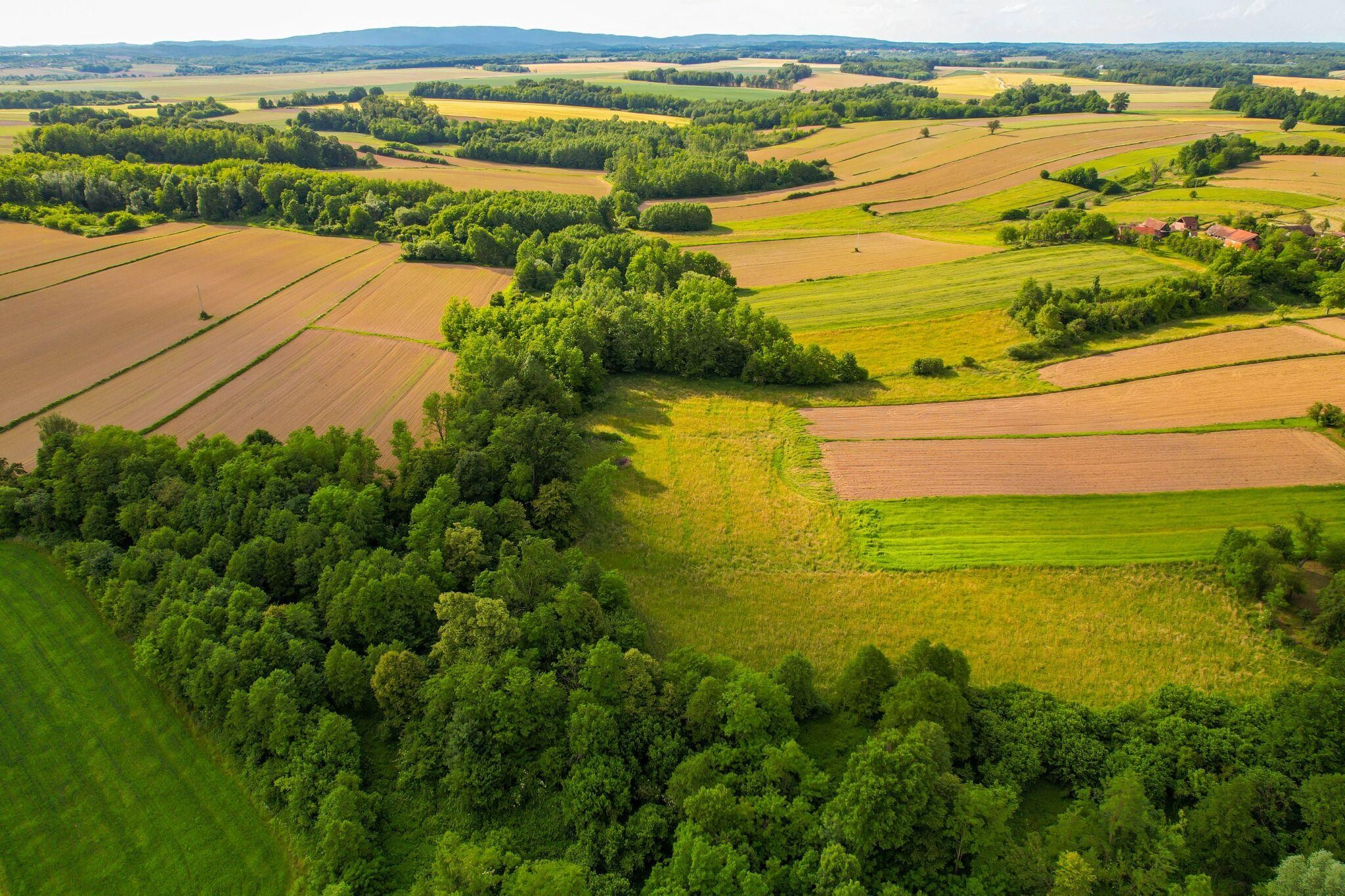
Building on spec land generally means buying a vacant parcel and developing it with a home based on a planned design rather than purchasing an existing house. The approach gives homeowners more control over the property’s layout, finishes, storage, rooms, and outdoor areas.
For some buyers, this is an opportunity to create a home that fits their lifestyle from the beginning. However, the price shown for the land is only one part of the overall project. The cost of preparing the site and building the house can be much higher than the original land price.
Understanding the complete project budget is therefore essential before making an offer.
The Listed Price Is Not the Final Cost
A land listing usually focuses on the asking price of the property. It may not include the many expenses that come after the purchase. Site preparation, excavation, utility connections, permits, driveway construction, landscaping, and other work can add significantly to the budget.
For example, a lot that appears affordable may require more preparation than another property with a higher asking price. If the site needs extensive grading or additional work before construction can begin, the difference can quickly become important.
Instead of comparing land only by price per acre or lot size, buyers should consider the estimated total cost of developing the property.
Soil Conditions Can Change the Building Plan
What is below the ground can be just as important as what you see above it. Soil conditions can affect excavation, drainage, foundation work, and site preparation. Some properties may require additional testing before construction begins.
A soil assessment can provide useful information about the ground conditions and help identify potential issues before construction starts. This information can also help your building team understand what type of preparation may be needed.
Getting this information early can make budgeting more accurate and reduce the chance of unexpected construction changes.
Check Water and Drainage Conditions
Water is another important consideration when looking at vacant land. A property may appear dry during one visit but behave differently after heavy rain or during spring conditions.
Buyers should look at the natural slope of the land and consider where water is likely to move. Poor drainage can affect landscaping, driveways, yards, and foundations if it is not properly addressed.
A professional site assessment can help determine whether drainage improvements or grading will be necessary. This is one of the details that may not be obvious from photographs or a short property description.
Utility Access Needs Careful Checking
A listing may say that utilities are nearby, but that does not always mean they are already connected to the building site. Electricity, natural gas, water, sewer, and internet access may each have different requirements and connection costs.
If the property is outside a fully serviced urban area, additional questions may be necessary. Buyers should confirm exactly which services are available, where connection points are located, and who is responsible for connection costs.
Knowing these details before purchasing the land can prevent unpleasant surprises during construction.
Road Access and Driveway Costs
Getting to the property is another detail that should not be overlooked. Buyers should check whether the land has direct road access and whether there are any requirements related to entrances, driveways, or access roads.
A long driveway can also become a significant construction and maintenance expense. Depending on the property, preparation may involve clearing, grading, gravel, drainage work, or other improvements.
The cost of creating practical access should be included in the overall building budget rather than treated as an afterthought.
Local Rules Can Affect Your Plans
Every property is subject to local planning and development rules. These rules may affect where a house can be placed, how large it can be, what types of structures are permitted, and how the land can be used.
Before finalizing a purchase, buyers should confirm the property’s zoning and development requirements with the relevant local authority. It is better to discover these restrictions before purchasing than after construction plans have already been created.
A home design that works perfectly on one property may need changes to fit another.
The House Design Should Match the Site
One advantage of building from the ground up is the ability to create a home around your needs. However, the design should also respond to the property itself.
The position of the sun, views, slope, wind, driveway location, and surrounding homes can all influence the best placement of the house. A thoughtful design can make better use of natural light and outdoor space while improving everyday comfort.
Working with an experienced custom home builder in Red Deer can help homeowners connect their ideas with the practical features of the site.
Think About Construction Access
Construction equipment and building materials need to reach the property. Before construction begins, the site needs to be suitable for workers, trucks, machinery, and deliveries.
A narrow entrance, difficult terrain, or poor road conditions can make construction more complicated. These challenges may increase labour or transportation costs.
Planning construction access early helps the project run more smoothly and gives the builder a better understanding of the site’s practical limitations.
Budget for More Than the House
Many buyers create a budget based mainly on the cost of land and the house itself. However, a complete budget should include other expenses connected to developing the property.
These may include permits, surveying, excavation, utility connections, driveway work, landscaping, fencing, and exterior features. Appliances, window coverings, and other finishing items can also add to the final amount.
Setting aside a reasonable contingency fund is helpful because construction projects can sometimes involve unexpected costs.
Visit the Property More Than Once
A single visit may not reveal everything about a piece of land. If possible, visit the property at different times and under different weather conditions.
Look at the road, surrounding properties, drainage patterns, sunlight, noise, and general access. Speaking with nearby residents may also provide useful information about seasonal conditions that are difficult to see during one short visit.
The more familiar you become with the property, the easier it will be to decide whether it is suitable for your plans.
Work With the Right Building Team
Building on vacant land requires coordination between several people. Depending on the project, this can include surveyors, engineers, designers, contractors, utility providers, and local authorities.
An experienced builder can help bring these different pieces together. A custom home builder in Red Deer can also help homeowners understand how their preferred home design fits the land, budget, and construction process.
Good communication from the beginning can make the entire project easier to manage.
Conclusion: Look Beyond the Listing
Buying spec land near Red Deer can be an exciting opportunity to create a home that suits your lifestyle. However, the property listing should be treated as the starting point rather than the complete picture.
Soil, drainage, utilities, access, zoning, construction conditions, and additional development costs can all influence the final project. Taking time to investigate these details before purchasing the land can help you make a better decision and create a more realistic budget.
With careful planning and support from an experienced custom home builder in Red Deer, homeowners can turn a vacant piece of land into a well-designed home while being better prepared for the work and costs involved.