


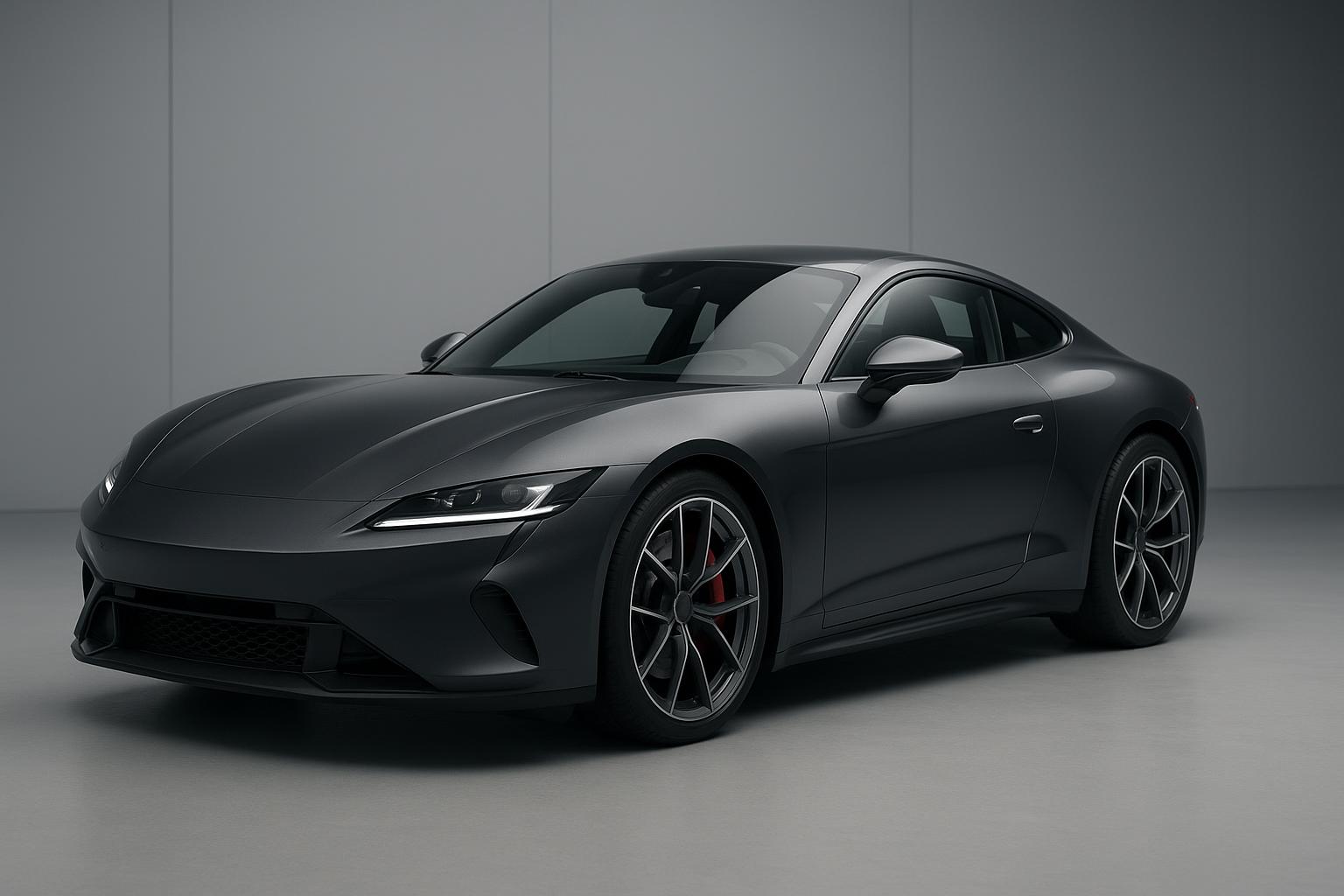
Launching a modern vehicle used to mean hiding prototype cars under heavy tarps on secret desert roads just to film a single commercial. Not anymore. Today, automotive marketing happens digitally long before full assembly lines start running.
Modern vehicle launches rely heavily on real-time interactive configurators and cinematic digital reveals. Building these experiences requires robust pipelines, specialized technical art, and powerful software solutions. Automotive teams rely on a few core techniques to get these assets ready for prime time.
Advanced Surface Material Physics
Contents
Getting a digital car to look like real metal and glass demands extreme precision. Standard textures fail instantly under direct sunlight or showroom spotlights. Technical artists must build intricate shaders that replicate exact physical surface properties.
Multi-layered metallic paint requires simulating microscopic flakes suspended within color coats, capped by clear gloss reflections. Interior surfaces need subtle visual depth, from the fine stitching on perforated leather to the distinct woven sheen of brushed carbon fiber. Meanwhile, complex refractive elements, like clear tinted glass or intricate LED headlight housings, must correctly bend and reflect light without tanking system performance.
Real-Time Engine Optimization
Photorealism means nothing if your online car configurator stutters or crashes on a user’s phone. That is why asset optimization matters just as much as visual fidelity.
Core Asset Optimization Strategies
- Clean Scene Hierarchies: Logical grouping lets users instantly switch paint shades, wheel designs, and interior trims without reloading entire assets.
- Pre-Baked Lighting Environments: Baking realistic ambient shadows and global illumination directly onto geometry preserves photorealism while eliminating heavy real-time calculation costs.
- Cross-Platform Scalability: Building modular asset packages ensures smooth, seamless rendering across mobile devices, web browsers, and high-end dealership interactive displays.
To achieve this balance, visual artists rely on dedicated 3D rendering software and animation workflows. These tools let production teams streamline complex CAD data into lightweight, interactive web models without sacrificing visual quality.
Cinematic Motion and Emotional Launches
Static pictures show features, but motion sells emotion. Beyond interactive web configurators, car launches require high-impact visual media to captivate potential buyers.
Digital animation rigs let teams attach procedural cameras to virtual vehicles, capturing dynamic, sweeping hero shots that would be physically dangerous or impossible in real life. Physics-based simulations add authentic weight by modeling tire friction, suspension dynamic load shifts, and aerodynamic airflow trails. Even better, artists can export short modular animation loops to quickly create localized, region-specific TV commercials across global markets.
Replacing Physical Prototypes with Digital Twins
The biggest transformation in modern automotive marketing is abandoning physical photo shoots altogether. Building high-fidelity digital twins directly from engineering CAD data completely changes product timelines.
Marketing teams no longer spend millions shipping hand-built prototype vehicles to remote locations under strict security protocols. Instead, visual assets update instantly inside digital pipelines whenever engineering specs change during factory development. This eliminates expensive logistical headaches, protects unreleased designs from leaks, and guarantees complete visual accuracy across every touchpoint.
Mastering these digital asset pipelines allows automotive brands to launch vehicles faster, reduce marketing overhead, and give prospective buyers an immersive preview of their next vehicle.