


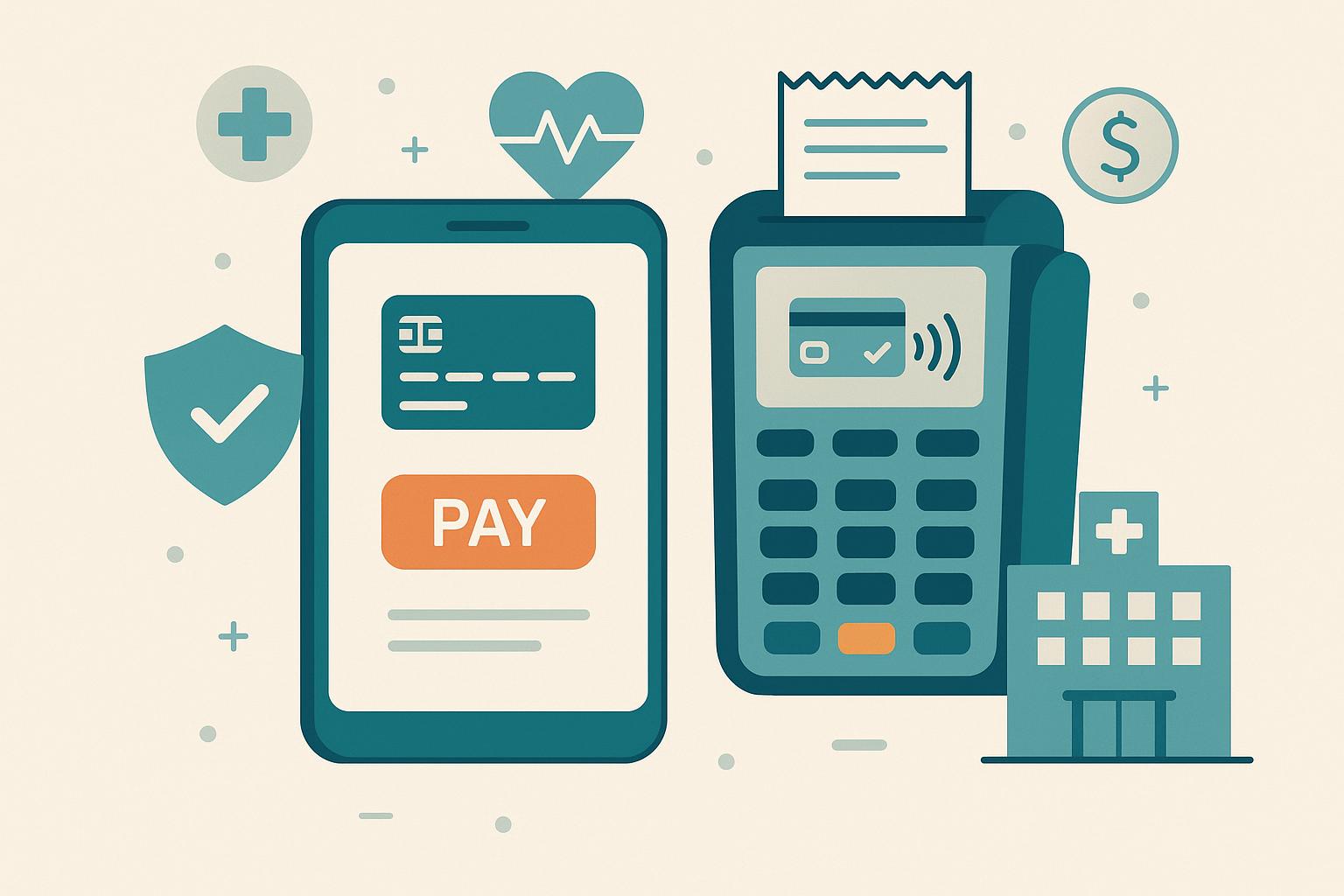
In recent years, healthcare has undergone a rapid digital transformation. From telemedicine platforms to electronic health records, technology is reshaping how providers deliver care and how patients interact with the system. One area that has seen particularly significant change is patient billing and payments—a process that has historically been complex, frustrating, and inefficient.
Today, modern healthcare organizations are rethinking payment experiences in the same way other industries have already evolved. Patients now expect convenience, transparency, and flexibility—just like they do when paying for any other service online.
The Problem with Traditional Healthcare Payments
Contents
For decades, healthcare billing has been known for its lack of clarity. Patients often receive multiple bills, unclear statements, and delayed invoices. This not only creates confusion but also leads to delayed payments and increased administrative burden for providers.
Manual systems, paper invoices, and fragmented workflows make it difficult for practices to maintain financial efficiency. At the same time, patients are left wondering what they owe, when to pay, and how to do it.
In a digital-first world, this model no longer meets expectations.
The Shift Toward Patient-Centered Payment Experiences
Healthcare providers are increasingly recognizing that the payment experience is part of the overall patient journey. Just like scheduling appointments or accessing test results, paying for care should be seamless and intuitive.
Digital payment systems allow patients to:
- View balances in real time
- Pay online or through mobile devices
- Set up payment plans
- Receive automated reminders
This shift not only improves patient satisfaction but also increases collection rates for providers.
More importantly, it reduces friction. When patients understand their financial responsibilities and have easy ways to pay, they are far more likely to engage proactively.
Why Technology Matters More Than Ever
The integration of technology into healthcare payments is not just a convenience—it’s becoming a necessity.
Healthcare practices are dealing with:
- Increasing administrative costs
- More complex insurance structures
- Higher patient responsibility due to rising deductibles
Without efficient systems in place, managing payments becomes a bottleneck that affects both operations and patient relationships.
This is where modern solutions come into play. Platforms designed specifically for healthcare workflows help unify billing, communication, and payment processing into a single streamlined system.
For example, tools like Elation Health patient payment processing software are built to integrate directly into clinical workflows, allowing providers to manage payments without disrupting care delivery. Instead of treating billing as a separate process, it becomes part of a connected ecosystem that supports both staff efficiency and patient convenience.
Improving Transparency and Trust
One of the biggest advantages of digital payment systems is transparency.
Patients want to know:
- What they are being charged for
- Why they are being charged
- How much insurance covers
- What their out-of-pocket costs are
Modern platforms make it possible to present this information clearly and in real time. This level of transparency builds trust—a crucial factor in healthcare, where uncertainty can lead to stress and dissatisfaction.
When patients feel informed, they are more confident in both the provider and the payment process.
Benefits for Healthcare Providers
While patient experience is a major driver, providers also gain significant advantages from adopting digital payment solutions.
These include:
- Faster payment collection
- Reduced administrative workload
- Fewer billing errors
- Improved cash flow
Automation plays a key role here. Instead of manually following up on unpaid invoices, systems can send reminders, process recurring payments, and track outstanding balances automatically.
This allows staff to focus on higher-value tasks, such as patient care and operational improvements.
The Role of Mobile and On-Demand Access
Another major trend shaping healthcare payments is mobile accessibility.
Patients increasingly rely on smartphones to manage their daily lives—from banking to shopping to communication. Healthcare is no exception.
Mobile-friendly payment systems allow patients to:
- Pay bills anytime, anywhere
- Receive notifications instantly
- Access payment history on demand
This level of accessibility aligns healthcare with the expectations set by other digital services.
Looking Ahead: The Future of Healthcare Payments
As healthcare continues to evolve, payment systems will play an even bigger role in shaping the overall experience.
We can expect to see:
- Greater integration with electronic health records
- More personalized payment options
- AI-driven billing insights
- Expanded use of contactless and digital wallets
The goal is clear: to make healthcare payments as simple, transparent, and user-friendly as possible.
Final Thoughts
The modernization of healthcare payments is not just about technology—it’s about improving the relationship between patients and providers.
By adopting digital solutions, healthcare organizations can remove friction, increase transparency, and create a more positive experience for everyone involved.
In a landscape where patient expectations are constantly rising, investing in smarter payment systems is no longer optional—it’s essential.