


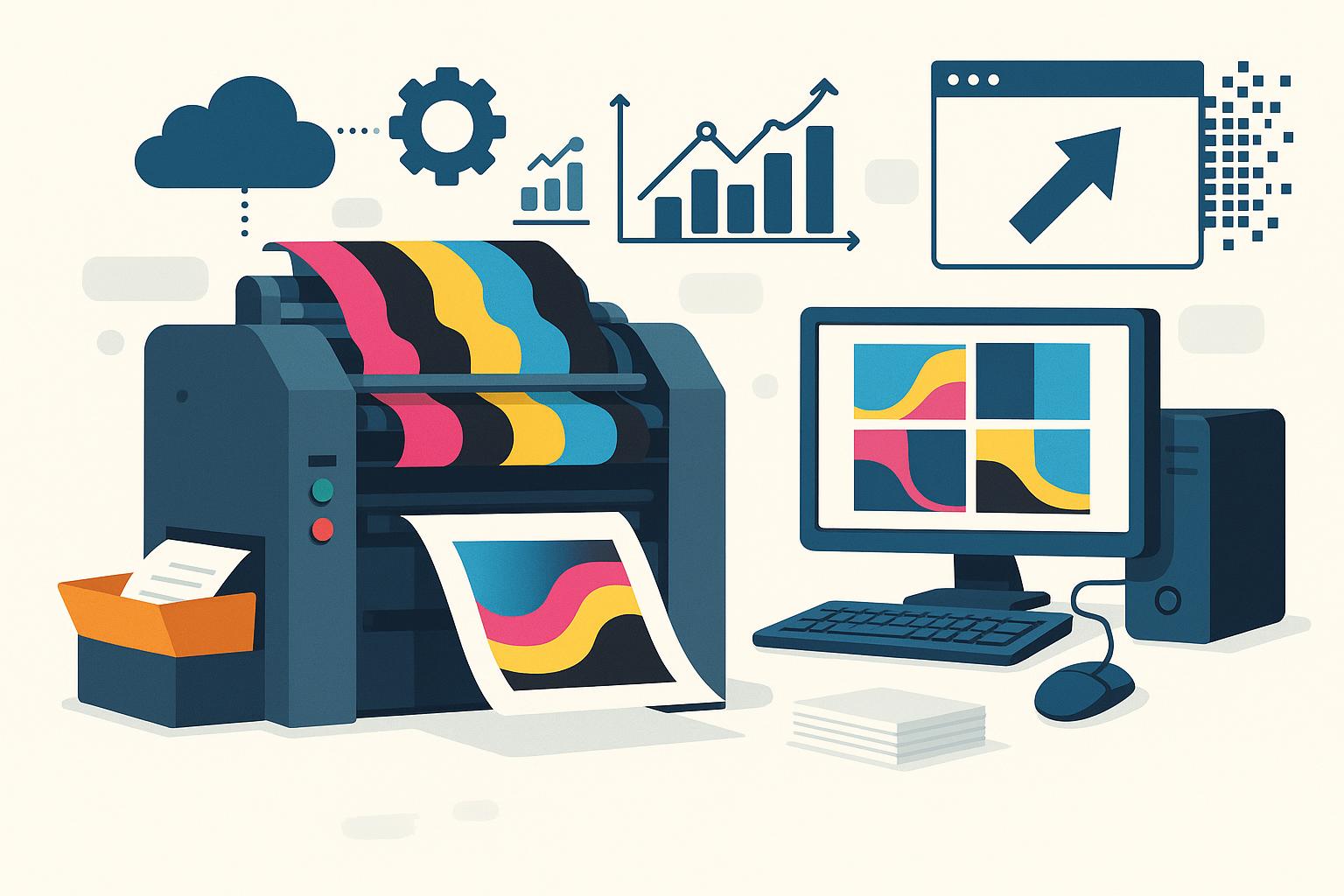
In a world increasingly driven by digital transformation, the printing industry continues to evolve in surprising and inventive ways. Far from being left behind, new printing technologies are merging with digital innovation to create smarter, faster, and more sustainable solutions. From enhanced automation to eco-friendly materials, printing has adapted to serve modern businesses and consumers with remarkable precision.
The Shift Toward Smart and Connected Printing
Contents
Modern printers are no longer standalone devices confined to office corners. Instead, they’ve become integrated hubs for digital communication and workflow management. Smart printers now connect seamlessly to cloud platforms, allowing users to print from anywhere, at any time. This flexibility supports hybrid and remote working environments, where digital and physical outputs must coexist efficiently.
Connectivity also enhances printer maintenance and management. With built-in sensors and data analytics, printers can now predict when they’ll need servicing or when supplies are running low. This proactive approach minimizes downtime and keeps operations running smoothly, offering a level of convenience that mirrors the sophistication of today’s digital tools.
Advancements in Printing Materials and Sustainability
As sustainability becomes a global priority, printing technologies have risen to the challenge. New eco-conscious materials and production methods are transforming how printed products are created. Vegetable-based inks, recyclable toners, and biodegradable substrates are helping reduce waste and carbon emissions. Many manufacturers are also designing printers with lower energy consumption, contributing to greener operations across industries.
Recycling initiatives and remanufactured cartridges play a vital role in this transformation. Businesses are encouraged to reuse materials without compromising print quality, creating a circular economy within the print sector. This approach not only reduces environmental impact but also aligns printing with the wider digital industry’s sustainability goals.
Automation and AI: The Future of Print Management
Artificial intelligence and automation are redefining the printing process. AI-driven software can now optimize layouts, reduce material waste, and analyze print data to identify inefficiencies. This level of intelligence mirrors the adaptability of digital platforms, ensuring printing remains relevant and efficient in fast-paced business environments.
Automated print workflows also enhance productivity by removing repetitive tasks. From prepress adjustments to post-production sorting, automation ensures that every stage of the printing process is optimized for speed and accuracy. This evolution allows creative professionals and business owners to focus on innovation rather than routine management.
Hybrid Solutions: Bridging Digital and Physical Experiences
Perhaps one of the most exciting developments in modern printing is the rise of hybrid solutions that blend digital and physical experiences. Augmented reality (AR) and QR code integration allow printed materials to interact with smartphones and tablets, bringing static pages to life. This bridge between print and digital offers marketers and designers new opportunities for storytelling and engagement.
For example, a printed brochure might feature scannable elements that direct users to interactive content or product demos online. This not only enhances user experience but also demonstrates how traditional printing can evolve alongside digital platforms rather than compete against them.
The Ongoing Role of Quality and Reliability
Despite rapid innovation, one aspect of printing remains constant: the need for consistent quality. Whether producing marketing materials, packaging, or internal documents, clarity and precision are essential. High-performance printers and premium consumables help maintain this standard. Businesses seeking dependable supplies can find trusted providers such as TonerGiant, which offers a wide range of toner and printing essentials designed for professional results.
As technology advances, reliable printing solutions will remain the backbone of every digital workflow. From crisp, high-resolution prints to long-lasting consumables, maintaining excellence ensures the physical output continues to match digital expectations.
Summing Up
New printing technologies are evolving hand in hand with digital innovation, ensuring the industry remains dynamic, sustainable, and highly relevant. By embracing smart connectivity, automation, and eco-friendly advancements, printing is proving that it can adapt to the modern world’s digital pace without losing its unique value. The result is an industry that not only keeps up with innovation but actively contributes to shaping its future, one printed page at a time.