


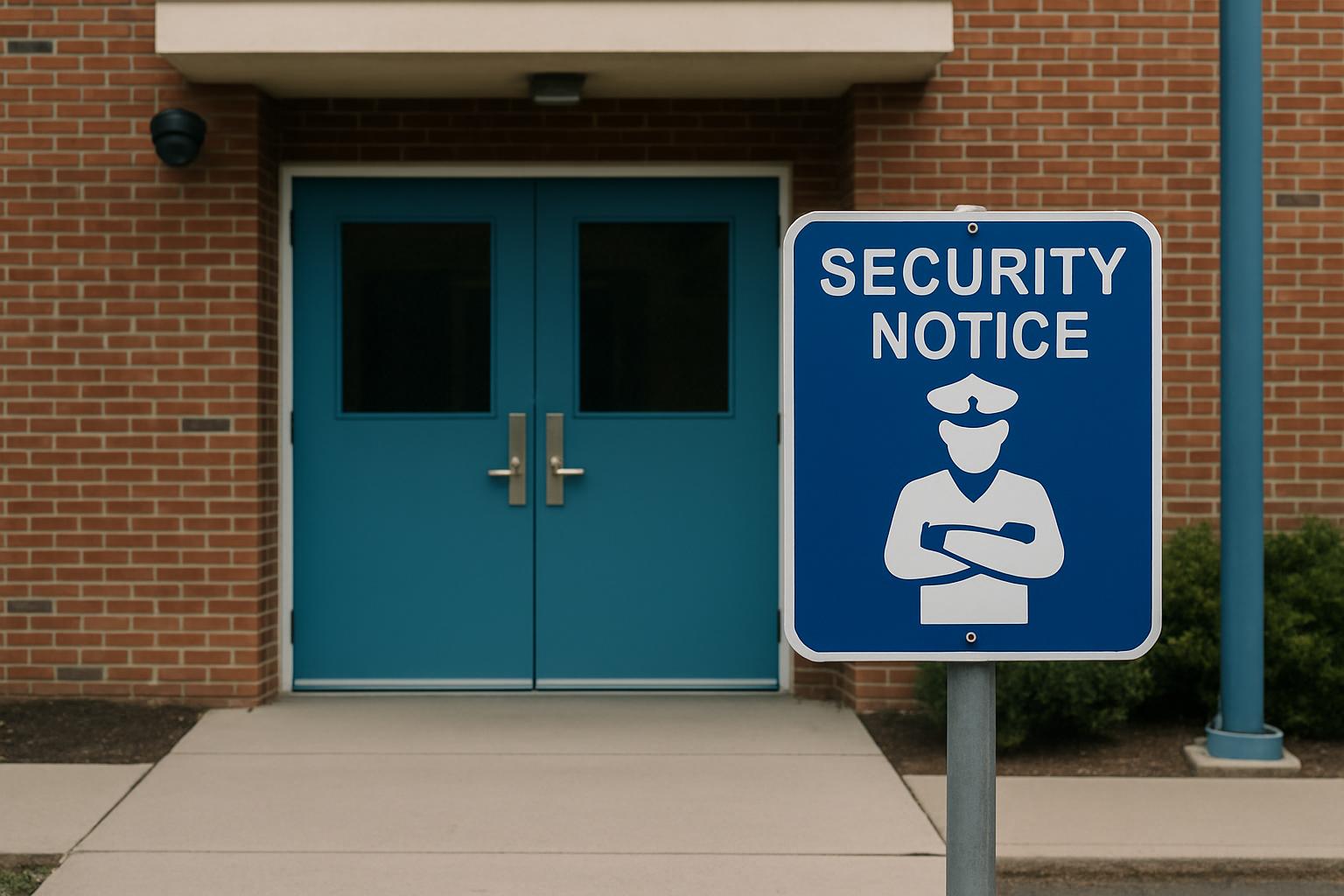
Ensuring the safety of students remains one of the highest priorities for communities across the country. Security guards protect students, teachers, and staff from numerous dangers. The mere presence of the police adds a layer of security while ensuring that threats on campus do not escalate. This article explores some ways in which security guards deter school threats.
Visible Deterrence
Contents
- Visible Deterrence
- Quick Response to Emergencies
- Routine Patrols and Surveillance
- Building Relationships and Trust
- Access Control and Visitor Management
- Conflict Resolution and De-escalation
- Working With Police and School Administrators
- Supporting Preventive Programs
- Detecting and Reporting Suspicious Behavior
- Less Fear, More Peace of Mind
- Conclusion
Seeing a uniformed security guard stationed at an entrance or moving down hallways is a strong signal that safety precautions are being taken and that trouble is not welcome. Those with ill will tend to change their minds when they see the right police work done. The mere presence of guards makes unauthorized visitors think twice, minimizing the chances of harmful situations occurring in the first place.
Quick Response to Emergencies
One of the benefits of security guards in school is their availability during emergencies. In any emergency, these trained guards reach your location very quickly. Timely action can help in the avoidance of minor issues that could cause bigger problems. They are trained to quickly assess the situation and take actions that save lives. This early intervention is crucial to prevent panic and to contain disturbances from becoming major issues.
Routine Patrols and Surveillance
The patrolling guards can identify odd behavior at an early stage. They stay vigilant for signs of trouble by walking the hallways, monitoring entry points, and checking outside. The use of surveillance, along with routine patrols, makes it more likely to discover a potential threat. The combination of human vigilance and technology can further enhance campus security.
Building Relationships and Trust
A security guard’s daily interactions with students, teachers, and visitors foster trust and familiarity and encourage others to report any concerns or suspicious activity. If individuals feel comfortable going up to guards, then authorities can be informed of things that might cause trouble later. Such warm relationships aid in creating a safe and aware environment.
Access Control and Visitor Management
Guards monitor entrances, check IDs, and prevent unauthorized people from entering a schoolbuilding. Access control helps keep unwanted visitors from wandering into classrooms or other restricted areas. Visitor logs and signing-in procedures can help identify who is on campus at any given moment. By limiting access, these guards reduce the opportunities for unauthorized activities to occur while ensuring accountability.
Conflict Resolution and De-escalation
Disagreements can arise between students or even adults on campus. Security guards possess training in conflict resolution and de-escalation techniques. By intervening early and calmly, they resolve disputes without violence or escalation. Their presence assures everyone that help is available if anything goes wrong. Early intervention often leads to peaceful solutions without causing much disruption to learning.
Working With Police and School Administrators
Guards work hand in hand with local authorities and school administrators, discussing information and coming up with a plan to keep everyone safe. Coordination keeps everyone organized and aware of their roles, especially during emergencies. They organize regular communication and drills to increase readiness and collaboration on campus.
Supporting Preventive Programs
Security officers are often involved in safety drills and educational programs. Their participation in emergency exercises provides students and staff with skills that could save a life. This provides clarity on what people should do in response to various scenarios. Preventive education fosters a culture of awareness and individual accountability.
Detecting and Reporting Suspicious Behavior
Security personnel are trained to detect early warning signals of harmful behavior. They are trained in spotting unusual behaviour, unattended belongings, or anyone who is not allowed in that area. By reporting their suspicions immediately, school officials can look into problems before they become a crisis. Being on guard all the time ensures everyone’s safety on school grounds.
Less Fear, More Peace of Mind
The presence of trained professionals on campus every day prevents students, parents, and staff from worrying about the safety of students and helps keep focus on learning and teaching. Seeing guards out and about offers reassurance that the community is safe. This leads to calmer environments that support better academic functioning and emotional well-being.
Conclusion
School security guards are the first line of defense when it comes to threats on campus. Through their vigilance, training, and involvement with the school community, they help discourage incidents of violence and maintain a feeling of safety. Guards perform their duties with diligence, helping manage an environment where everyone can feel protected. Good security saves lives and helps make the learning environment pleasant for everyone.