


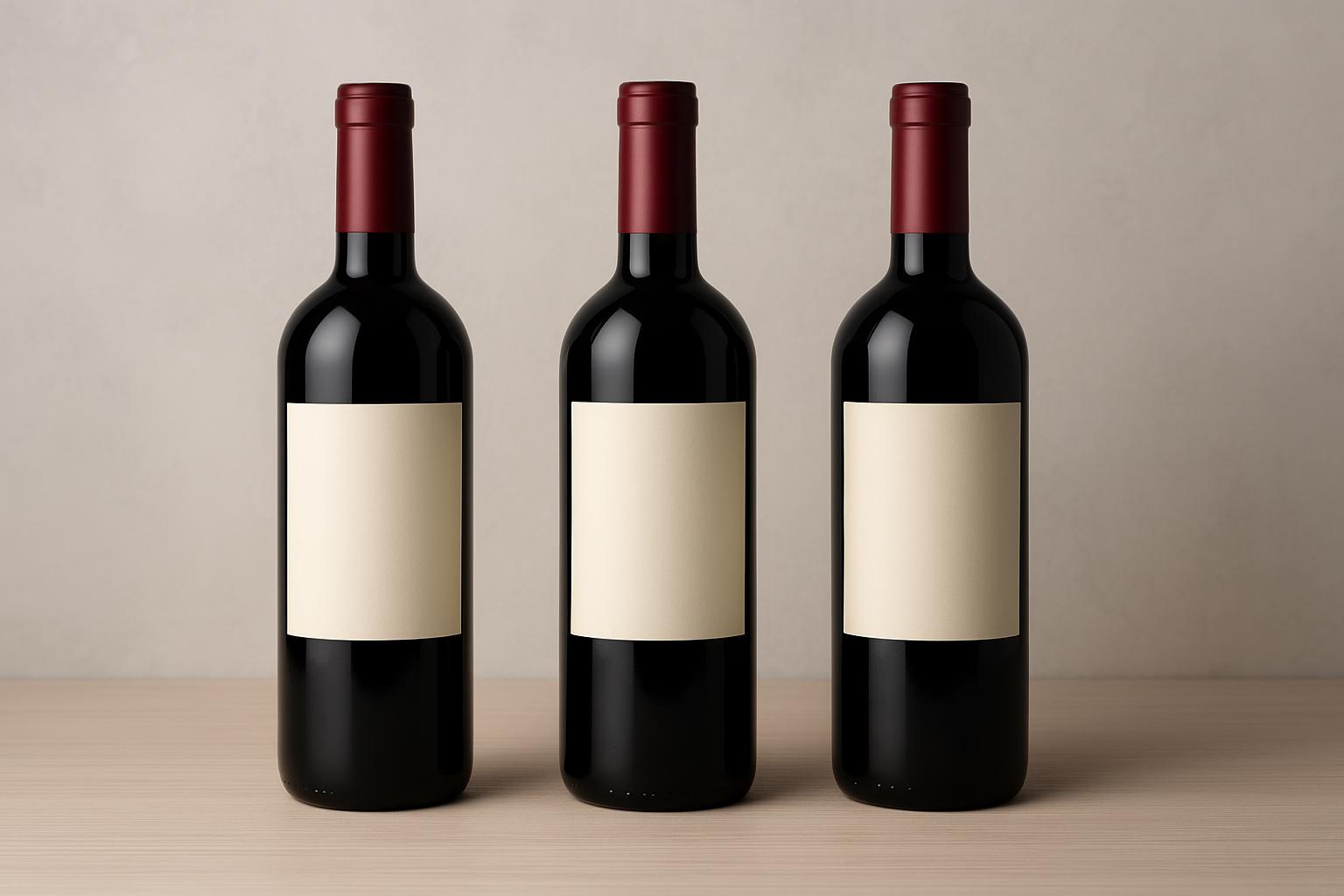
Walk into any decent wine shop and something interesting happens. Even from across the room, certain bottles just look familiar. Not because they’ve been tried before necessarily, but because the whole visual package registers instantly. That’s not an accident, and it’s not magic either. It’s the result of deliberate packaging decisions that create recognition over time.
Most new wineries focus heavily on getting the wine itself right, which makes sense. But here’s the thing: customers make purchasing decisions in about three seconds when standing in front of a shelf. Three seconds isn’t enough time to research a producer’s story or understand their winemaking philosophy. What it is enough time for is recognizing a brand that feels familiar and trustworthy.
The Visual Language That Builds Brand Equity
Contents
Consistent packaging creates something marketers call “brand equity,” but what that really means is simple: people remember the bottle. When a winery uses the same design elements across their entire product line, those visual cues start to stick in customers’ minds. The color palette, typography choices, label shape, even the texture of the paper all contribute to an overall impression that becomes associated with that brand.
Think about some of the most successful wine brands in any price category. They typically maintain strong visual consistency across their range. A customer who enjoyed their Chardonnay can spot their Pinot Noir from fifteen feet away because the design language remains cohesive. That recognition translates directly into repeat purchases because the decision-making process gets shorter and easier.
The challenge comes in balancing consistency with differentiation. A winery needs their Cabernet to look distinct from their Sauvignon Blanc while still clearly belonging to the same family. This is where thoughtful use of personalized wine labels becomes valuable, allowing producers to maintain brand identity while customizing details for different varietals, vintages, or special releases.
Building Recognition Through Repetition
Here’s where a lot of smaller producers stumble. They’ll create a beautiful label design for their first release, then completely redesign everything for the next vintage because they want to keep things fresh or think customers will get bored. The problem is that recognition requires repetition. Changing core design elements every year means starting from scratch each time in terms of building visual memory with customers.
The wineries that do this well establish a template early and stick with it. They might adjust colors slightly between varietals or change minor details for special editions, but the fundamental structure remains constant. This approach lets them build on previous marketing efforts rather than resetting the recognition clock with every release.
Consider what happens when a customer walks into a store looking for “that wine with the blue label and the bird.” If the winery changed their design completely this year, that customer probably walks out with a competitor’s bottle instead. Consistency doesn’t mean boring; it means building on what’s already working rather than constantly reinventing.
The Details That Create Cohesion
Several specific elements contribute to packaging consistency, and understanding which ones matter most helps prioritize design decisions. Typography tends to be one of the most powerful recognition triggers. When a brand uses the same fonts across their entire range, that consistency registers subconsciously even when customers can’t articulate what feels familiar about the bottle.
Color schemes work similarly. This doesn’t mean every label needs to be identical, but maintaining a consistent palette or color family helps create visual connections between products. Some wineries use different dominant colors for different varietals while keeping accent colors consistent. Others reverse this approach, but either way, there’s an intentional system at work.
Label shape and size also play a bigger role than most people realize. The physical dimensions of a label become part of the brand’s visual signature. When customers scan a shelf quickly, the overall silhouette of the packaging registers before specific details do. Maintaining consistent label proportions across the product line strengthens that instant recognition factor.
Material Choices and Perceived Quality
The tactile experience of a label contributes to brand perception in ways that go beyond just visual design. A winery using high-quality paper stock with a specific finish creates a sensory signature that reinforces their brand identity. When customers pick up multiple bottles from the same producer and experience the same texture and weight to the label each time, it builds a subconscious association between that tactile quality and the brand itself.
This matters more for certain price points than others, but even value-oriented brands benefit from consistency in their material choices. The goal isn’t necessarily to use the most expensive materials available, but rather to maintain the same standard across the range so customers know what to expect.
Special finishes create memorable touchpoints too. Whether it’s embossing, foil stamping, or textured coatings, these elements become part of the brand’s identity when used consistently. A customer who remembers the raised lettering on one bottle will recognize it immediately on another variety from the same producer.
The Long Game of Brand Building
Building recognition through consistent packaging is fundamentally a long-term strategy. The payoff doesn’t happen immediately, which is why some producers get impatient and change direction too quickly. But wineries that commit to visual consistency for several years start seeing compound returns on that investment.
Each bottle sold becomes a marketing asset that reinforces the brand’s visual identity. Customers who enjoyed the wine remember the packaging, which makes future purchases easier. Retail buyers start recognizing the brand at trade shows and tastings. The entire sales process gets smoother because less energy goes into explaining who the winery is and more goes into discussing the actual product.
The real power of consistent packaging shows up in how it reduces the friction of customer decision-making. When faced with dozens of unfamiliar wine options, customers gravitate toward brands that feel recognizable even if they haven’t tried that specific bottle before. That comfort factor matters tremendously in a crowded market where most purchases involve some degree of risk.
Smart wine brands understand that every packaging decision either builds on their existing visual equity or dilutes it. The ones that succeed long-term treat their label design as seriously as their winemaking process, recognizing that both elements work together to create a product customers want to buy again and again.