

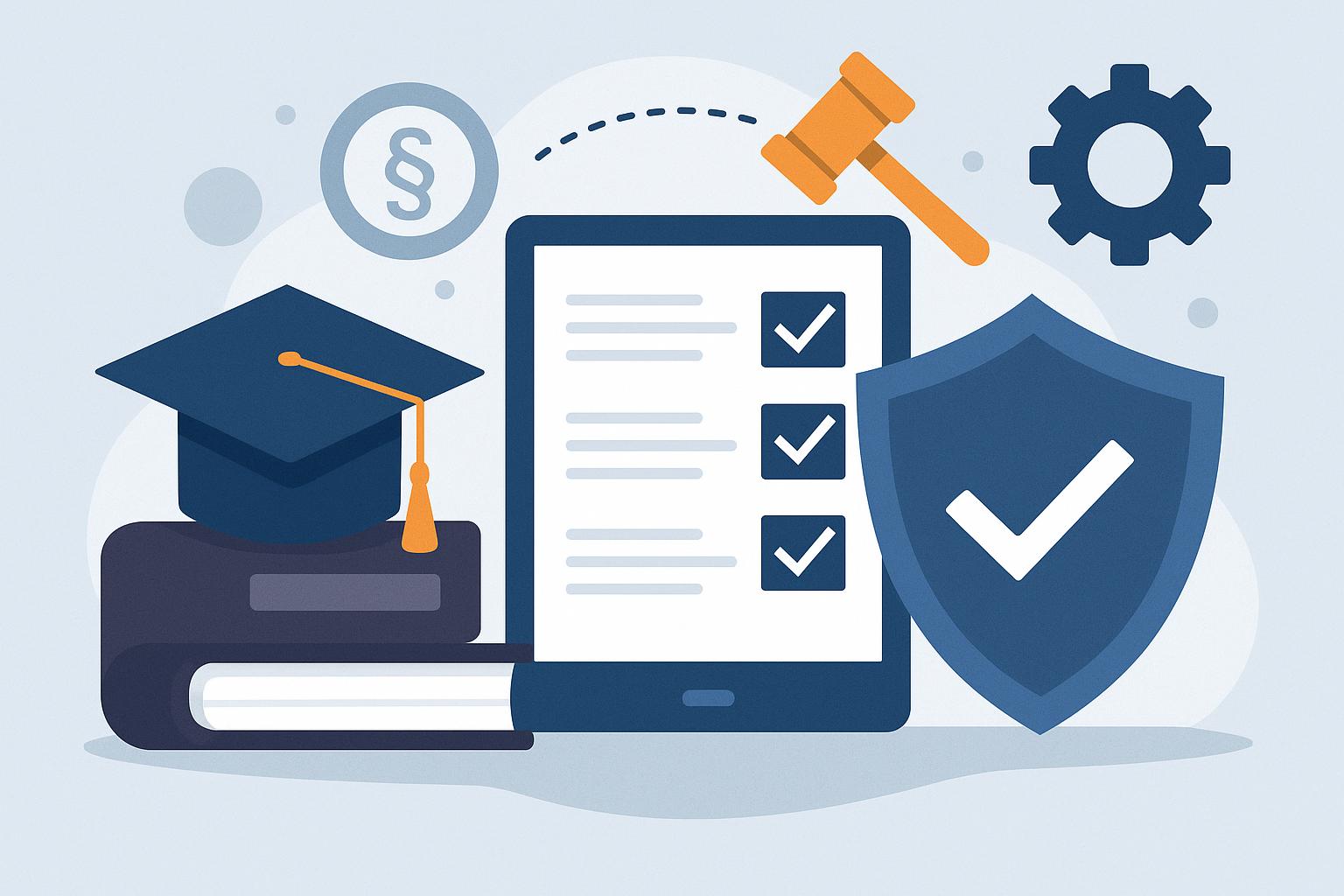
Numerous rules and regulations are in place for educational organizations to protect students, staff members, and sensitive information. Schools, colleges, training centers, and other educational institutions must comply with regulations pertaining to data privacy, record keeping, cybersecurity, accessibility, and financial reporting. Staying compliant can be challenging, though, especially as regulations continue to change over time.
Technology has become an important tool for meeting those responsibilities. Many organizations rely on IT services for educational institutions to help manage systems, protect data, and maintain compliance with industry standards. By using the right technology solutions, educational institutions can reduce risks and improve their ability to meet regulatory requirements.
Managing Student Data Securely
Educational institutions collect and store large amounts of sensitive information. Student records may include personal details, academic performance, financial information, and other confidential data. Modern technology helps protect this information through secure storage systems, encryption, and controlled access. These tools ensure that only authorized people can view or modify sensitive records. Secure data management not only protects students and staff members but also helps institutions meet privacy regulations and avoid potential penalties.
Improving Cybersecurity Protection
Cybersecurity is a major concern for educational organizations. Schools and colleges are common targets for cybercriminals because of the personal and financial information they have on file. Technology solutions such as firewalls, antivirus software, threat monitoring, and multi-factor authentication help strengthen their security defenses. These tools work together to detect and prevent unauthorized access to systems and data. A strong cybersecurity strategy helps educational organizations remain compliant with requirements and reduce the risk of data breaches.
Simplifying Record Keeping
Many regulations require educational organizations to maintain accurate records for specific periods of time. Managing these records manually can be time-consuming and increase the risk of errors. Digital record management systems make it easier to organize, store, and retrieve important information. Automated systems can also help ensure records are retained according to legal requirements and securely deleted when retention periods expire. That improves efficiency while supporting compliance efforts.
Adhering to Accessibility Requirements
Educational institutions are often required to provide equal access to learning resources and information. Technology can help them meet accessibility standards by offering tools that support students with different needs. Examples include screen readers, captioning software, text-to-speech programs, and accessible website design features. These solutions make educational materials easier for all students to use and understand. By improving accessibility, institutions can better serve their communities while also meeting their compliance obligations.
Automating Compliance Processes
Technology can reduce the burden of managing compliance tasks by automating routine processes. Automated systems can track deadlines, generate reports, monitor policy requirements, and send reminders when action is needed. Those measures help administrators stay organized and reduce the chance of overlooking important compliance responsibilities. Automation also creates a clear record of actions taken, which can be useful during audits or regulatory reviews.
Improving Staff Training and Awareness
Compliance isn’t just about technology; it also depends on people. Faculty, administrators, and other staff members need to understand policies and procedures. Online training platforms make it easier to deliver consistent compliance education. Employees can complete required training, track their progress, and receive updates when regulations change. Regular training helps build awareness and reduces the likelihood of mistakes that could lead to compliance issues.
Building Audit Readiness
Audits can be stressful when records are scattered across multiple systems. Technology helps centralize information and maintain detailed documentation of activities, transactions, and security measures. When auditors request information, organizations can quickly locate the necessary records and demonstrate their compliance efforts. That saves time and helps create a smoother audit process. Having accurate digital records also supports transparency and accountability.
Staying Compliant in a Changing Landscape
Compliance is an ongoing responsibility for educational organizations. As regulations become more complex, technology plays an increasingly important role in helping institutions meet their obligations. From protecting sensitive data and improving cybersecurity to supporting accessibility and automating compliance tasks, technology provides valuable tools for managing risk and maintaining regulatory standards. By investing in the right solutions, institutions can focus more on their educational mission while still staying compliant and secure.