


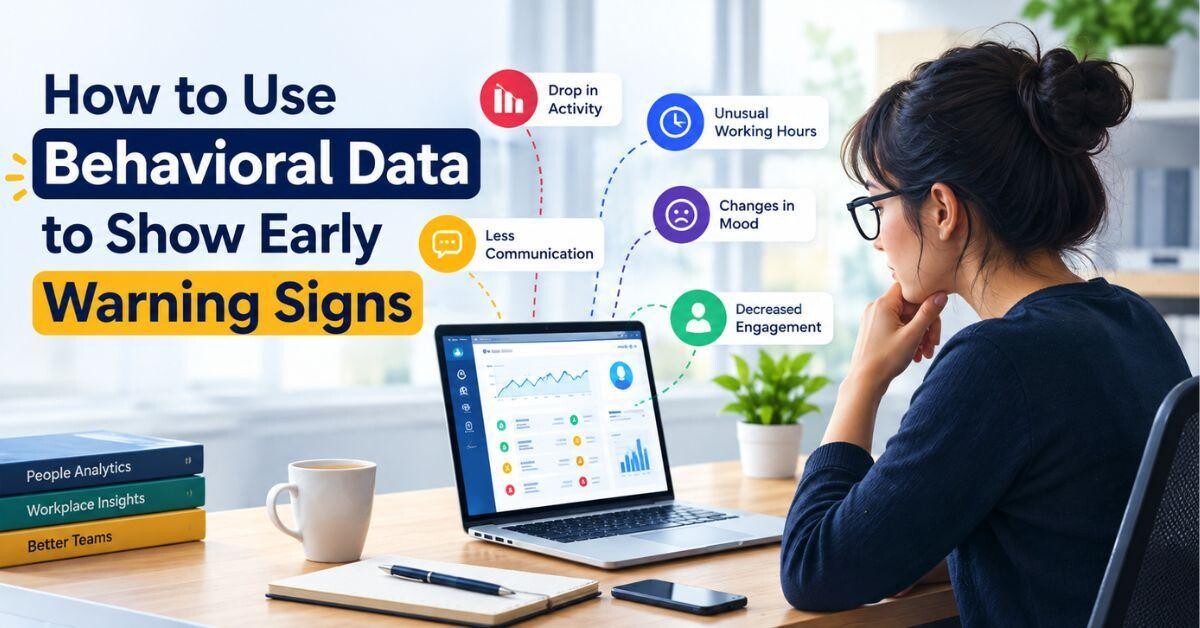
Once in a while, someone’s conduct changes before they ever say something is wrong. Small modifications in conversation, exercises, temper, or hobby may be smooth to overlook when all and sundry is busy. Learning the way to note these styles allows you to respond earlier than a small situation will become a bigger problem.
This manual explains how behavioral facts can help become aware of early caution signs and symptoms in unique situations. You’ll study what styles to watch, a way to build a simple warning signal machine, and how better recognition can guide safety, verbal exchange, and care.
Why Early Behavioral Indicators Matter in Healthcare
Contents
- Why Early Behavioral Indicators Matter in Healthcare
- Early Behavioral Indicators Often Appear Before Verbal Escalation
- Observation Improves Both Safety and Patient Care
- Building a More Proactive Healthcare Environment
- Prevention Starts with Awareness
- Why the Warning Sign System Works
- How to Build Your Own Warning Sign System
- The Problem with Reactive Care
- Situational Awareness: Staying Safe at Home, Work, and in Public
- Five Areas Every Organization Should Review This Summer
- FAQs
- Conclusion
Healthcare groups regularly recognize what patients say and what medical assessments display. But, behavior can offer every other beneficial supply of information. adjustments in sleep, conversation, movement, consuming conduct, or social interplay may additionally on occasion point to a developing challenge.
Early signs don’t always suggest that something extreme is taking place. They simply supply caregivers and professionals any other purpose to pay attention. While numerous modifications appear collectively, they can offer useful context for making knowledgeable selections.
Early Behavioral Indicators Often Appear Before Verbal Escalation
People do not usually explain how they feel earlier than their conduct changes. A person can also become strangely quiet, restless, pissed off, or withdrawn. These changes can show up steadily, making them hard to word without regular commentary.
For example, a person who normally communicates often may suddenly avoid conversations. Another person might start missing regular activities or reacting strongly to minor situations. Using behavioral data to show early warning signs can help identify these changes as patterns rather than isolated events, providing a clearer picture.
Observation Improves Both Safety and Patient Care
Appropriate commentary is not about looking at each motion or judging someone based on unmarried conduct. It approaches listening to meaningful modifications through the years. This technique can assist healthcare employees apprehend what is everyday for someone and what seems one-of-a-kind.
Behavioral facts can also enhance conversation between caregivers and groups. Instead of pronouncing that a person “appears unique,” a group of workers can talk about particular adjustments they have observed. This makes conversations extra useful and can support better care planning.
Building a More Proactive Healthcare Environment
A proactive environment offers human beings a threat to reply earlier than issues come to be urgent. Teams can create easy processes for recording crucial behavioral adjustments and reviewing them regularly. This doesn't want to be complex or time-consuming.
Era can also aid in this manner when used responsibly. Equipment such as business monitoring software and employer monitoring software may help organizations understand activity patterns in workplace settings, but they should never replace human judgment. Clear policies, privacy protections, and appropriate access are critical when collecting behavioral data.
Prevention Starts with Awareness
Consciousness starts with knowing what normal conduct seems like. Every person has special routines, communique styles, and reactions. Without a baseline, it will become tons more difficult to understand meaningful changes.
A group of workers have to also take into account that one unusual motion doesn't routinely imply a hassle. Context topics. An alternative can also result from strain, loss of sleep, a new surroundings, or every other brief situation. Looking at several indicators collectively can create a more balanced expertise.
Why the Warning Sign System Works
A caution sign gadget creates a steady way to be aware and reply to behavioral modifications. as opposed to depending completely on memory, teams can use clear categories and easy statement methods. This makes it easier to recognize styles across days or even weeks.
The gadget works nice when it helps human choice-making as opposed to changing it. A behavioral signal needs to cause a verbal exchange or closer observation while suitable. It should not robotically lead to a negative conclusion about someone.
How to Build Your Own Warning Sign System
Begin with a small wide variety of behavioral regions that remember your agency or care environment. Those may want to include verbal exchange, attendance, social interplay, interest ranges, habitual modifications, or uncommon reactions. preserve the machine simple enough that human beings can use it always.
Next, decide how observations may be recorded and reviewed. outline who can get right of entry to the information and how lengthy it needs to be kept. Most significantly, create a clear process for what takes place while several warning signs appear together.
The Problem with Reactive Care
Reactive care often starts off evolving after a scenario has already ended up critical. via that point, teams may have fewer options and much less time to recognize what caused the exchange. In advance , remarks can offer extra possibilities to ask questions and offer suitable help.
This doesn't mean each caution signal can save you from a difficult state of affairs. Human behavior is complex, and no system can expect each outcome. The intention is virtually to enhance attention and provide accountable teams extra useful information when making choices.
Situational Awareness: Staying Safe at Home, Work, and in Public
Situational focus isn't always restricted to healthcare. At domestic, human beings may be aware of adjustments in routines or communication among a circle of relatives participants. At paintings, teams may additionally observe unusual styles in participation, communique, or each day interest.
In public areas, awareness approaches being attentive to the surroundings without making assumptions about strangers. search for concrete situations in place of labeling people based totally on appearance or remote actions. Suitable attention combines observation with calm and sensible judgment.
Five Areas Every Organization Should Review This Summer
Summer can deliver modifications in schedules, staffing, tour, workload, and day by day exercises. Companies can use this era to check how they recognize and respond to behavioral changes. An easy review can monitor gaps in communique or reporting tactics.
Five useful areas to review include:
- communique patterns: take a look at whether important modifications are being shared virtually among relevant crew contributors.
- ordinary modifications: evaluate whether or not uncommon adjustments in attendance, hobby, or daily schedules are being observed.
- Reporting strategies: make sure personnel recognise how and in which to document actual issues.
- privacy practices: verify that behavioral information is gathered most effective for valid functions and treated responsibly.
- response plans: ensure teams know what steps to take while numerous caution symptoms seem collectively.
FAQs
what's behavioral records?
Behavioral information is facts about movements, routines, interactions, and activity patterns. It can help pick out meaningful adjustments through the years.
Can behavioral records predict problems?
Behavioral facts cannot reliably be expected for each hassle. It may highlight modifications which can deserve attention and further context.
Why are early caution symptoms essential?
They are able to help human beings observe modifications before a scenario becomes more difficult. Early awareness also offers teams more time to respond appropriately.
Is behavioral tracking always appropriate?
No. monitoring has to have a clean purpose and comply with privateness, safety, and ethical necessities. People have to understand how their facts are getting used whilst suitable.
How can organizations use behavioral facts responsibly?
agencies have to acquire relevant information, defend privateness, restrict get right of entry to, and keep away from making decisions based totally on remote behavioral alerts.
Conclusion
Behavioral records can provide beneficial perception when it's collected and interpreted cautiously. Small changes in exercises, conversation, and hobbies might also assist groups to notice that something merits closer interest.
The key's to mix data with context, human judgment, and accountable practices. A thoughtful caution sign system isn't always about predicting people. It is approximately enhancing recognition so organizations can respond to actual worries in advance and more correctly.