


The modern auto shop isn’t just a garage anymore; it’s more like a sophisticated tech hub. We’ve moved past relying solely on intuition and manual processes. Today, smart technology drives efficiency and profit, streamlining everything from vehicle diagnostics to talking with customers and managing inventory. Bringing in these digital tools isn’t just a nice-to-have; it’s essential for staying competitive and giving customers the high-quality service they expect.
Diagnostic Tools: Beyond the Wrench
Contents
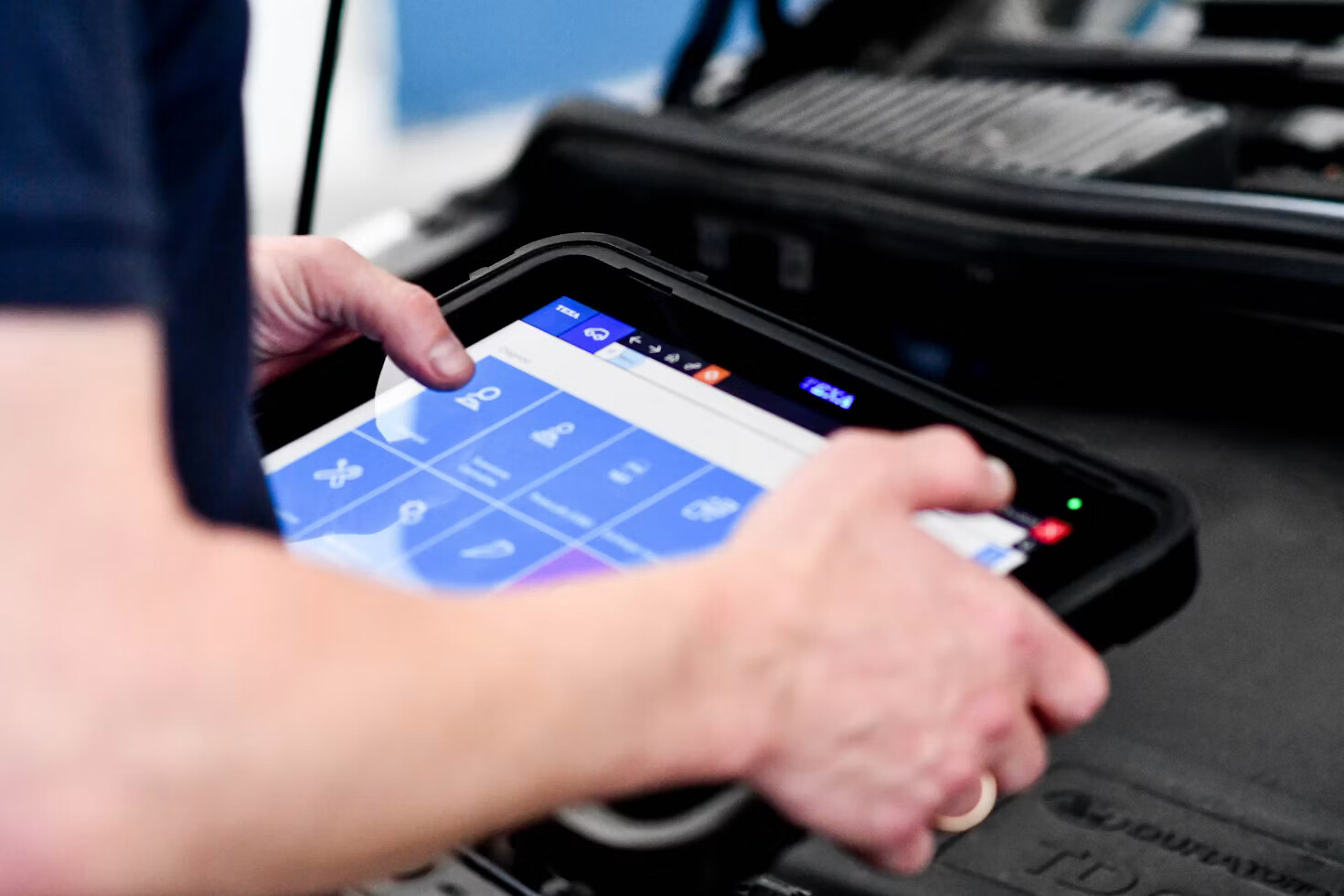
The days of a mechanic listening to an engine to guess the problem are quickly fading. Modern vehicles are complex, packed with electronics, so advanced diagnostic tools are crucial for accurate and fast repairs. On-Board Diagnostics (OBD-II) scanners are standard, but today’s tech goes much further. Wireless scanners and tablets let technicians check vehicle data from anywhere in the shop, pulling error codes and watching live performance without being tied to the dashboard. Some systems even connect with larger shop management platforms, automatically creating a work order with the diagnostic trouble codes. This not only speeds up the initial check but also creates a reliable digital record of the vehicle’s issues, making things more accurate and transparent for the customer.
Streamlining Operations with Franchise Systems
For many independent shop owners, setting up a full tech system can feel overwhelming and expensive. This is where established operational systems really shine. Choosing a car service franchise gives you a proven, ready-to-go business model that already has technology built in. These systems often include their own management software that handles scheduling, invoicing, parts orders, and customer communication all in one place. This takes away the guesswork and trial-and-error of trying to build a system from scratch. Franchise support usually includes training on how to use these tools effectively, making sure the shop owner and their team can get the most out of them from day one. It’s a way to adopt the best practices in technology and operations without having to invent them yourself.
CRM for Customer Experience
Great auto repair isn’t just about fixing cars; it’s about building trust and keeping customers coming back. Customer Relationship Management (CRM) software is a powerful way to do this. A dedicated CRM for an auto shop can send automatic appointment reminders via text or email, which means fewer no-shows and a fuller schedule. It also keeps a detailed history for each customer, including past services, vehicle info, and personal notes. When a customer calls, a service advisor can instantly see their whole history, leading to a more personal and efficient conversation. A good CRM can also be used for targeted marketing, like sending reminders for routine maintenance such as oil changes or tire rotations, which helps bring in repeat business and builds long-term loyalty.
Inventory Management Solutions
Running out of a common filter or a specific type of oil can stop a repair job dead in its tracks, frustrating both the technician and the customer. Smart inventory management solutions prevent these costly delays. Modern auto repair shop management software uses data to track parts usage in real time. Systems can be set to automatically reorder stock when it drops below a certain level, making sure high-demand parts are always available. This automation cuts down on the time staff spends doing manual inventory counts and purchase orders. It also provides valuable data on which parts are most profitable and which ones move slowly, helping shop owners optimize their stock, reduce holding costs, and improve cash flow.
Embracing Digital Marketing for Growth
Having the best tools and technicians is only half the battle; you also need a steady stream of customers. Digital marketing is crucial for reaching potential clients in your local area. A professional, mobile-friendly website is the starting point, offering key information like services, hours, and location. From there, focusing on local search engine optimization (SEO) helps your shop show up at the top of Google search results when someone nearby looks for “car repair near me.” Managing online reviews on platforms like Google and Yelp is also vital, as positive feedback builds credibility. Paid advertising through social media or search engines can give an extra boost, letting you target specific demographics or vehicle owners in your service area.
Bringing in smart technology is about more than just modernizing; it’s about creating a more efficient, profitable, and customer-focused business. By using these tools, auto shop owners can spend less time on administrative headaches and more time doing what they do best: providing expert service.