


Hair loss is not dramatic. It’s gradual. It creeps in slowly, strand by strand, until one day the part looks wider, the ponytail feels thinner, or the shower drain tells a story nobody wants to read. As a matter of fact, most of us find out about hair loss when we have already lost 50% of our hair. Scary, right? But hair loss is a universal issue; the only difference is the starting point. Some may start very early, or some experience it later, but it’s inevitable.
But what if we can work on prevention? Protect what we have today to keep the hair of our dreams alive and healthy? One tool, a non-surgical hair loss solution, FDA-approved, which can prevent hair loss, has gained serious traction in the past couple of years: the laser cap.
What Is a Laser Cap?
Contents
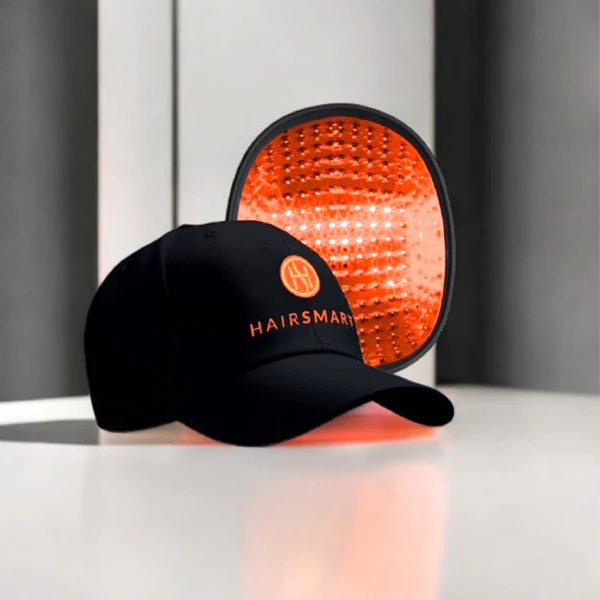
A laser cap is a hair regrowth device that uses low-level laser therapy, often called LLLT, to stimulate hair follicles. HairSmart laser cap delivers gentle red light wavelengths directly to the hair follicle to boost blood flow and support cellular activity within the hair growth cycle.
Unlike topical treatments that only get absorbed in the upper dermis layer, or sit on the scalp, LLLT works from a different angle. It doesn’t rely on oils, creams, or chemicals to penetrate the skin. Instead, it uses light as the active mechanism. No chemicals, no surgery, and no medicine- just a cap on your head with LLLT– makes it the right choice for people looking for a lower-maintenance, non-invasive hair regrowth option.
How To Choose The Best Laser Cap For Hair Growth
Not all laser caps are built the same, and understanding the mechanism behind them makes it much easier to choose well. Before buying the best laser cap for hair growth in the USA, here are a few things you should know. When comparing laser caps, here are some details that separate quality devices from the rest.
Diode Count Matters
Diodes are the actual light-emitting points fixed into the cap, and the number of diodes determines how much of the scalp gets treated. Since a laser cap only stimulates the area directly beneath it, full coverage matters, and hair thinning rarely happens in just one spot.
A cap with too few diodes can leave gaps, particularly around the crown or hairline, two of the most common thinning zones. Caps with a higher, well-distributed diode count are built to treat the whole scalp evenly in a single session, rather than concentrating light on just a few areas.
Safety
LLLT is generally very safe and effective, but not all at-home lasers are created equal. The wrong wavelength or poor-quality build can pose real risks, especially to the eyes. Rather than choosing whatever tops a quick Google search, look for devices backed by real clinical trials. The best laser caps in the USA go through rigorous testing before they’re deemed safe for everyday home use.
Brands like HairSmart have run their own clinical trials to demonstrate both the safety and effectiveness of their laser cap in treating hair loss.
Quality And Cost-Effectiveness
A laser cap only works if you actually wear it, and that comes down to comfort. Quality, fit, and cost-effectiveness all matter here. High-quality caps use lightweight materials designed to stay comfortable through daily sessions.
Plenty of cheaper alternatives exist, but many cut corners, leading to pressure points, overheating, uneven coverage, fewer diodes, or devices that simply stop performing over time. Look for laser caps built for long-term use, and check real user reviews before deciding.
Why Doctor-Recommended Laser Caps For Hair Growth
LLLT is a tried, tested, and clinically validated technology, with research and real-world use spanning over two decades. What changed is the easy access. The technology that was initially available under a doctor’s supervision is now readily available in a handy at-home device.
Doctors still recommend it because it works on a mechanism that topicals and supplements can’t fully replicate. Instead of being absorbed through skin or digested through the gut, LLLT uses specific red-light wavelengths to reach the follicle directly, energizing it at the cellular level to support a longer, healthier growth phase. It does not rely on ingestion or absorption, which makes it the best alternative for people looking for sustainable, non-surgical options for hair growth. And because the mechanism is rooted in cellular energy rather than hormone suppression or surface-level nourishment, it works as a genuine complement to both, not a replacement for them
The HairSmart Laser Cap
HairSmart laser cap is one of the top laser caps available in the USA. Built around these same priorities, it combines a high, evenly distributed 272 diode count with a battery designed for full-length sessions, all housed in a lightweight, comfortable fit. The device is recommended by the top hair transplant experts in the USA as one of the best alternatives to surgical methods.
Combine with The Complete Hair Smart System
Laser caps are great devices to regrow hair. But at the same time, they are rarely used in isolation, because hair loss is not just about regrowing hair; it’s about stopping the hair loss and protecting what lies beneath the surface.
The HairSmart system addresses all three pillars of hair growth: Protect, Repair and Regrow. While LLLT stimulates circulation and cellular activity, DHT blockers reduce hormonal miniaturization, and vitamins supply the nutritional building blocks hair needs to grow. Combining the complete system produces more noticeable results than relying on any one approach alone.
Start Before It Feels Urgent
Laser cap therapy works best as a proactive habit, not a last resort. It’s a great device for hair growth, but even they can’t bring back what’s completely lost. So, the best time to start supporting hair health with a laser cap is before thinning becomes hard to ignore and when your hair follicles can still regenerate.
For anyone noticing the early, quiet signs of hair loss, switch immediately to a well-built laser cap: a science-backed, low-effort way to stay ahead of it.