


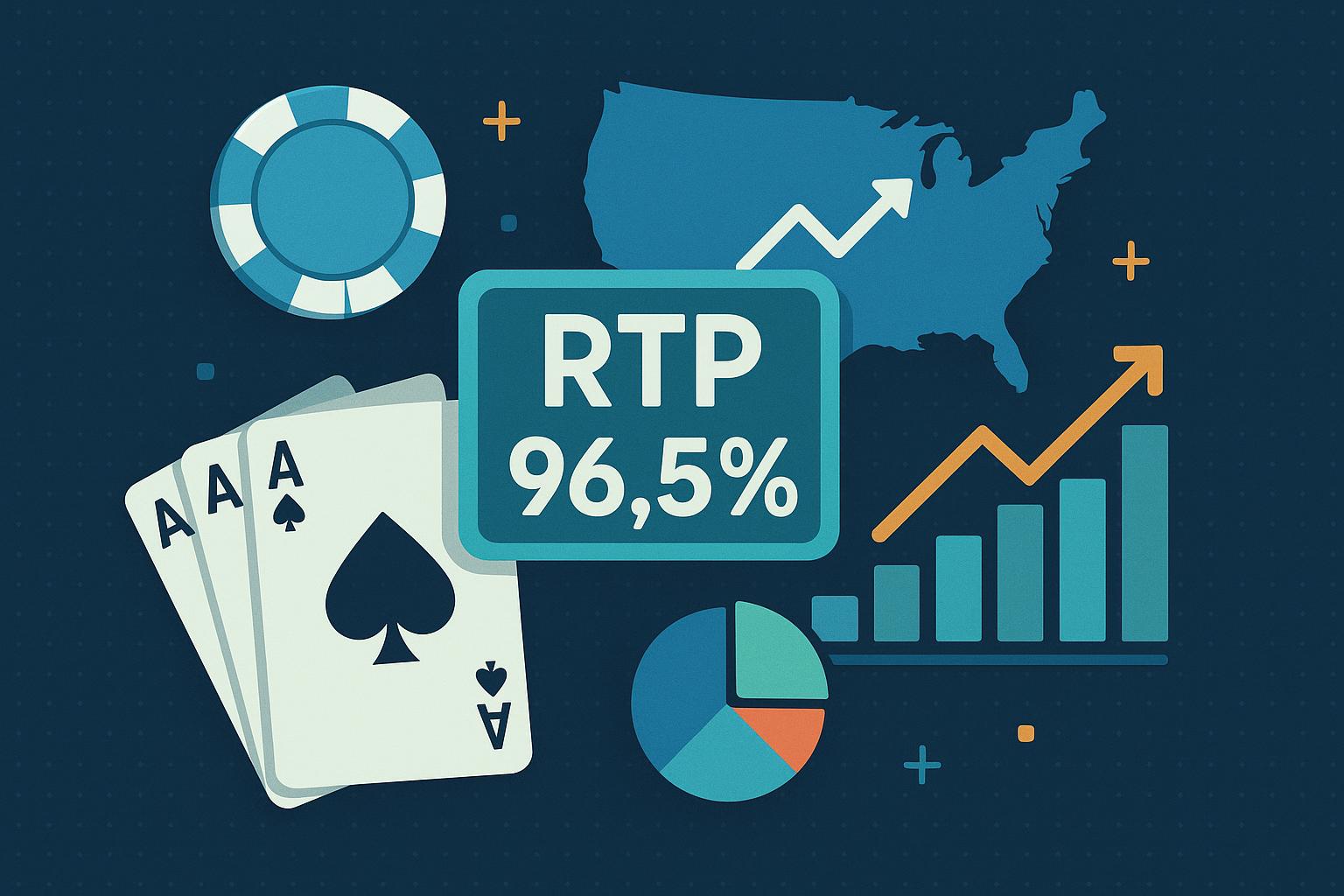
The secret code that once governed the probability of every spin and deal in the virtual gambling world is finally being cracked wide open, handed directly to the players who previously relied on nothing but blind luck and gut feelings. For years, the inner workings of online slots and table games were shrouded in a layer of proprietary mystery, leaving many to wonder if the house edge was a fixed mountain or a shifting sand dune. In 2026, that mystery has evaporated. We are currently witnessing a massive cultural and technical pivot toward “RTP Transparency,” a movement where data is no longer just a backend metric for operators but a front-facing tool for every person with a smartphone and a bankroll.
The Death of the “Black Box” Era
Contents
- The Death of the “Black Box” Era
- The Regulator’s Hand: Why Transparency is Now Law
- The Rise of the “Savvy” Player
- The Technology Behind the Transparency
- Marketing in the Data Era: From Hype to Help
- Actionable Insights: How to Use Data to Play Smarter
- The Future: Personalized Data and Beyond
- The Verdict on Transparency
In the early days of iGaming, a player would load up a slot machine and hope for the best. You knew the house had an advantage, but you didn’t necessarily know exactly how much of a bite they were taking out of every dollar wagered. This was the “Black Box” era of gambling. Today, the modern bettor is more sophisticated. Influenced by the “moneyball” approach to sports and the data-heavy world of crypto trading, today’s players demand to know the Return to Player (RTP) percentage before they even click the spin button.
RTP is essentially the theoretical percentage of all wagered money that a game will pay back to players over time. If a game has an RTP of 96%, it means that for every $100 bet, the game is designed to return $96. While this is calculated over millions of spins, knowing that number allows a player to distinguish between a “tight” machine and a “loose” one. The rise of transparency means that these numbers are now prominently displayed in the game info screens, mandated by strict state regulators.
The Regulator’s Hand: Why Transparency is Now Law
This shift wasn’t entirely a voluntary move by casino operators. It was largely driven by the stringent requirements of US state regulators like the New Jersey Division of Gaming Enforcement (DGE) and the Pennsylvania Gaming Control Board (PGCB). These agencies realized that for a “White Market” to thrive, players needed to trust the math.
By forcing operators to publish audited RTP figures and volatility ratings, regulators have created a safer environment. They have essentially turned the casino floor into a transparent marketplace. This has led to the emergence of high payout casinos that differentiate themselves not just through flashy graphics or celebrity endorsements, but through superior “math value” for the customer. When a player can choose between a site offering 94% RTP and one offering 97% RTP, the data-driven choice becomes obvious.
The Rise of the “Savvy” Player
I have spent over 15 years in this industry, and I can tell you that the average player today is unrecognizable compared to the player of 2010. Today’s bettor understands the difference between high volatility and low volatility. They know that a high volatility game might offer a massive 5,000x jackpot but will have long “dry spells,” whereas a low volatility game provides consistent, smaller wins that keep a bankroll alive for a longer session.
This data-driven approach has changed the way people gamble. It is less about “hitting it big” and more about “maximizing playtime.” For many, gambling is an entertainment expense, similar to a concert ticket or a high-end dinner. By looking at the RTP and the hit frequency, players are calculating the “cost per hour” of their entertainment.
The Technology Behind the Transparency
How do we know these numbers are real? This is where third-party testing labs come in. Companies like eCOGRA and iTech Labs act as the digital referees of the iGaming world. They run millions of simulations on the software code to ensure that the Random Number Generator (RNG) is truly random and that the actual payouts align with the theoretical RTP.
In 2026, we are even seeing the introduction of “Real-Time RTP” trackers on some platforms. These tools show the actual payout percentage of a game over the last 24 hours or hour. While this doesn’t change the long-term math of the game, it provides a layer of engagement that makes the player feel like they are part of a living, breathing digital ecosystem rather than just playing against a static computer program.
Marketing in the Data Era: From Hype to Help
Casino marketing has traditionally been built on the “Dream.” Ads showed people winning millions and living lives of luxury. While that still exists, the most effective marketing in the US iGaming sector now focuses on “The Truth.”
Operators are now competing on transparency. You will see banners highlighting “The Highest RTP Slots of the Month” or “Fair Play Guarantees.” This is a fundamental shift. The industry has realized that a player who feels they are getting a fair shake is a player who returns. Transparency builds loyalty in a way that a one-time “100% Match Bonus” never could.
Actionable Insights: How to Use Data to Play Smarter
If you want to navigate this data-driven landscape effectively, you need to change your approach. Here is how the pros use RTP transparency to their advantage:
- Always Check the Help File: Every legal game in the US has a “Help” or “i” icon. Click it. Scroll to the bottom. The RTP must be listed there by law. If it isn’t, you shouldn’t be playing that game.
- Understand the “Double Gamble” of Bonuses: Many casinos offer huge bonuses, but they often restrict those bonuses to games with lower RTP. Always check the wagering requirements and the “Game Weighting” list. If a 99% RTP Blackjack game only contributes 10% toward your bonus, the math might be better on a 96% RTP slot that contributes 100%.
- Volatility Matters More Than RTP for Short Sessions: If you only have $20 and 20 minutes, a 98% RTP game with high volatility might take your whole bankroll before you see a return. In short bursts, a lower RTP game with high hit frequency (low volatility) might actually give you more “play” for your money.
The Future: Personalized Data and Beyond
As we look toward the end of the decade, the rise of RTP transparency is likely just the beginning. We are moving toward a world of “Personalized RTP,” where players can see their own lifetime return percentages across different genres. While this sounds scary to some operators, it provides the ultimate level of consumer protection and trust.
The US iGaming sector is no longer a place for the uninformed. It is a sector where data is king, and the players who know how to read the numbers are the ones who will have the most sustainable and enjoyable experience. The “House Always Wins” is a phrase that won’t go away, but in the era of transparency, we finally know exactly how the house is winning, and we can choose to play in the rooms where the windows are clean and the doors are wide open.
The Verdict on Transparency
The rise of data-driven gaming is a win for everyone involved. It forces developers to create better, fairer games. It forces operators to be more honest in their marketing. And most importantly, it empowers the player. In a world where you are putting your hard-earned money on the line, the least you deserve is the truth about your odds.
Whether you are a high roller or a casual weekend player, the new era of transparency means that the “Black Box” is gone for good. The data is there. The numbers are audited. All you have to do is look at them before you place your next bet.