


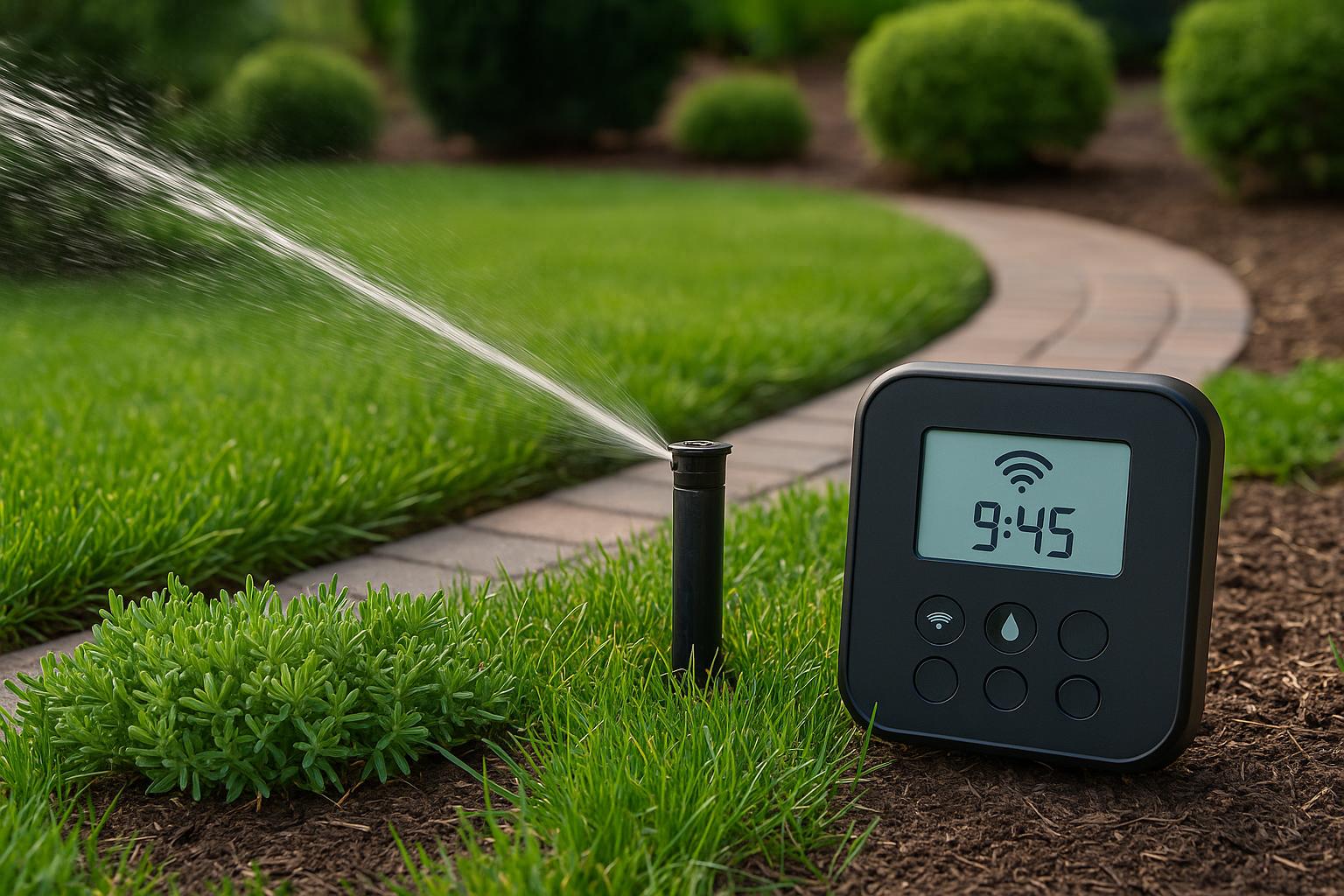
The prospect of having a beautiful green lawn which does not need to consume water on a daily basis is something to look forward to. That is all the magic of smart irrigation systems. Atlanta hardscaping contracting is one of the landscaping experts that is applying simple and advanced technology to ensure the outdoor environments are efficient and eco-friendly today. Such systems are expected to supply just the quantity of water required by your plants and this way you will save water and money and at the same time keep your landscape healthy.
Smart Irrigation Systems: An Overview
Contents
Smart irrigation system is a contemporary watering system that applies technology like sensor, timer and weather information. And in contrast to the usual sprinklers which operate at a set schedule, smart irrigation systems automatically change depending on the actual conditions. Examples of such instances are that when the soil is moist or when it just rained, the system will not emit water. This will avoid wastage of water and all the drops will be used wisely.
Watering Based on Soil Needs:
Another primary aspect of water conservation by smart irrigation systems is that the systems measure the moisture levels on the soil. Special sensors are put in the ground to establish the quantity of water that is already available.
In case the soil is dry, the smart irrigation system comes on and supplies the appropriate quantity of water. In case soil is still moist, it stays off. This single characteristic will not result in overwatering which is always a major issue in the usual landscaping.
Adjusting To The Weather Conditions:
Smart irrigation systems are linked to local weather information so that they can make improved choices in regard to watering. When there is changings in temperature, humidity levels and precipitation, these systems are able to automatically adapt themselves to these changing conditions — for example, halting the watering system when it is raining.
During hot days, it might increase the watering a little to ensure that plants are healthy. This flexibility will minimize wastage of water and ensure that the plants are in nice shape.
Targeted Water Delivery:
The delivery method of water is also another crucial attribute. Smart irrigation systems usually involve drip irrigation or efficient sprinkler designs which focus water on the plant roots. This minimizes water wastage through evaporations, and runoffs. The system sprays water only in places where it is required instead of spraying it over a wide area. This is a specific method that can save much water in the long run.
Preventing Water Waste:
The outdated irrigation systems tend to operate longer than required or on unnecessary water fields. Smart systems address this issue by subdividing the landscape into areas. It is possible to regulate each of the zones independently depending upon the type of plant, sunlight, and the plot of the soil. Taking an example, the system will adjust itself to the needs of a grass which may require more water than shrubs. This will avoid water wastages in places that need less of it.
Remote Control and Monitoring:
Numerous smart irrigation systems are accessible via mobile applications. This will enable users to have complete control of their watering schedule anywhere. You can easily turn off the system or perform quick adjustments from your phone, should you forget to switch off the system or wish to do a quick change. There is also a chance to monitor the quantity of water being consumed which can help you remain conscious and make superior decisions.