


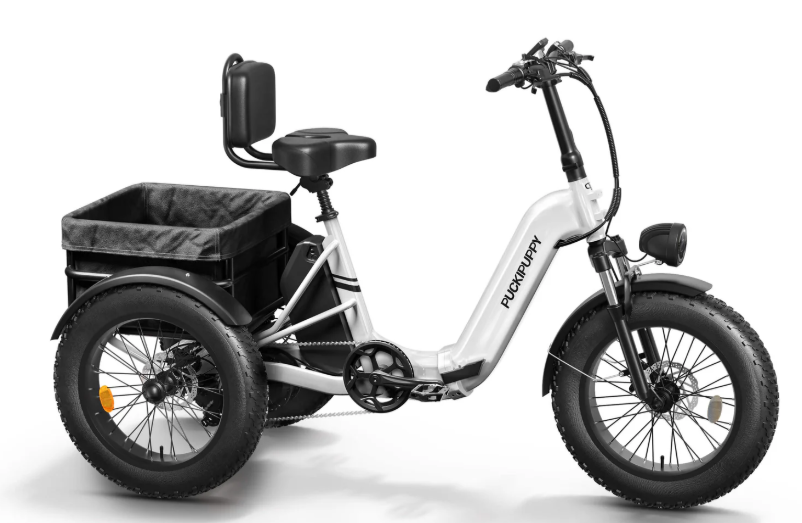
The electric bike revolution is in full swing, transforming how we commute, run errands, and enjoy the great outdoors. At the heart of this movement lies the familiar two-wheeled e-bike, praised for its agility and efficiency. But a compelling alternative is steadily gaining ground: the three-wheeled e-trike. With its promise of unparalleled stability, it’s capturing the attention of a diverse range of riders. So, when faced with this choice, which one is truly the better investment for you?
The definitive answer is that there is no one-size-fits-all winner. The “best” e-bike is the one that perfectly aligns with your unique needs, physical capabilities, and lifestyle. This comprehensive guide will dissect the key differences between two and three-wheeled electric bikes across critical categories, empowering you to make an informed and confident decision.
The Head-to-Head Breakdown: A Tale of Two Designs
Contents
To understand which e-bike suits you, let’s pit them against each other in a direct comparison.
1. Stability and Balance: The Fundamental Divide
This is the most significant differentiator between the two designs.
- Two-Wheel E-Bike: Requires a good sense of balance, much like a traditional bicycle. While the electric assist helps with propulsion, you are still responsible for stability, especially at low speeds or when coming to a stop. This can be a challenge on uneven terrain or for those with mobility issues.
- Three-Wheel E-Trike: The undisputed champion of stability. With two wheels at the rear (or less commonly, the front), the trike e-bike offers a rock-solid, balanced platform. It remains upright even at a complete stop, eliminating the fear of tipping over. This feature alone is a game-changer for many.
Verdict: The three-wheel e-trike is the clear winner for stability, making it accessible to virtually anyone.
2. Safety and Control: A Nuanced Battle
Stability directly influences safety, but control plays an equally important role.
- Two-Wheel E-Bike: Offers agile handling and a smaller turning radius, allowing you to nimbly navigate through traffic and tight corners. However, emergency braking on slippery surfaces or uneven pavement can pose a risk of skidding or losing control.
- Three-Wheel E-Trike: Its stable base makes it less prone to tipping during sudden stops. However, its handling is fundamentally different. Cornering at high speed can increase the risk of tipping, as the design resists leaning. Riders must learn to slow down before turns, much like driving a car.
Verdict: It’s a draw. Two-wheelers excel in proactive avoidance, while three-wheelers provide superior low-speed crash prevention.
3. Cargo and Practicality: The Workhorse Factor
- Two-Wheel E-Bike: Cargo capacity is limited to what you can add on—a rear rack, panniers, or a front basket. While capable, loading heavy items can affect the bike’s balance and make it unwieldy.
- Three-Wheel E-Trike: Born to carry. The design between the two rear wheels is a natural platform for a large cargo box or basket. This makes it ideal for substantial grocery runs, transporting children, or carrying tools for work. The weight is centered and supported, ensuring stability even under load.
Verdict: The three-wheel e-trike is the superior choice for heavy-duty utility and cargo hauling.
4. Storage and Portability
- Two-Wheel E-Bike: Generally lighter and more compact. It can fit through standard doorways and be stored in a garage, apartment, or on a public bike rack with relative ease. Its narrower profile makes transportation in a vehicle also simpler.
- Three-Wheel E-Trike: Its wider footprint is its main drawback for storage. It requires significantly more space in a garage or shed and cannot be used with standard bike racks. Moving it up or down stairs is often impractical.
Verdict: The two-wheel e-bike wins for convenience in storage and portability.
5. Cost and Learning Curve
- Cost: Due to their more complex frame and steering mechanisms, three-wheel e-trikes are often more expensive than comparable two-wheel models. The two-wheel e-bike market is also vastly larger, offering more budget-friendly options.
- Learning Curve: Riding a two-wheel e-bike requires the same skill as a regular bicycle. For a complete novice, there is a learning period. In contrast, operating a three-wheel e-trike is intuitive and has virtually no learning curve. If you can turn a throttle and steer, you can ride one.
Verdict: Two-wheelers win on cost, while three-wheelers win on ease of use.
The Decision Matrix: Which E-Bike is Your Perfect Match?
Now that we’ve compared the features, let’s translate them into real-world scenarios.
Choose a TWO-Wheel Electric Bike if you:
- Value Agility and Fun: You enjoy the feel of a traditional bicycle and want a spirited, engaging ride.
- Navigate Dense Urban Environments: Your commute involves weaving through traffic and needing a small turning radius.
- Have Limited Storage Space: You live in an apartment and need to carry your bike upstairs or store it in a tight space.
- Are on a Tighter Budget: You want the most value for your money and have a wide range of options to choose from.
- Have Good Balance and Fitness: You are confident on two wheels and see cycling as a form of exercise as well as transport.
Choose a THREE-Wheel Electric Trike if you:
- Prioritize Stability and Safety: You have balance issues, are an older adult, or are recovering from an injury. The fear of falling is a primary concern.
- Need a Practical Hauler: You regularly do big grocery shops, need to transport young children, or use it for commercial purposes like vending.
- Desire Ultimate Ease of Use: You want a vehicle you can hop on and ride with zero prior experience or physical skill.
- Enjoy Leisurely, Scenic Rides: Your primary goal is relaxed, comfortable cruising where you can enjoy the view without worrying about balance.
- Have Ample Storage: You have a garage or dedicated shed where you can store its wider frame.
Addressing Common Concerns
- “Aren’t three-wheel e-bikes tippy?” Only if you corner too fast. When ridden responsibly—slowing down before turns—they are exceptionally stable and safe.
- “Can’t I just add training wheels to a two-wheeler?” While possible, add-on training wheels are often a poor substitute. They can negatively affect steering and handling and are not designed for sustained use on adult e-bikes. A purpose-built trike is a far more robust and safer solution.
Conclusion
The debate between two and three wheels isn’t about crowning a superior technology; it’s about matching the right tool to the right person. The agile and exhilarating two-wheel e-bike is perfect for the urban adventurer seeking efficiency and a classic cycling feel. In contrast, the confident and practical three-wheel e-trike is a revolutionary vehicle that offers freedom and utility to those who value stability above all else.
Your perfect e-bike is waiting. By honestly assessing your needs against this comparison, you can invest in a machine that won’t just gather dust but will genuinely enhance your daily life. yourWherever journey takes you, ride safe and enjoy the electric-powered freedom.If you’re interested in this type of e-bike, you can visit some websites that offer high-quality products, such as Puckipuppy.