


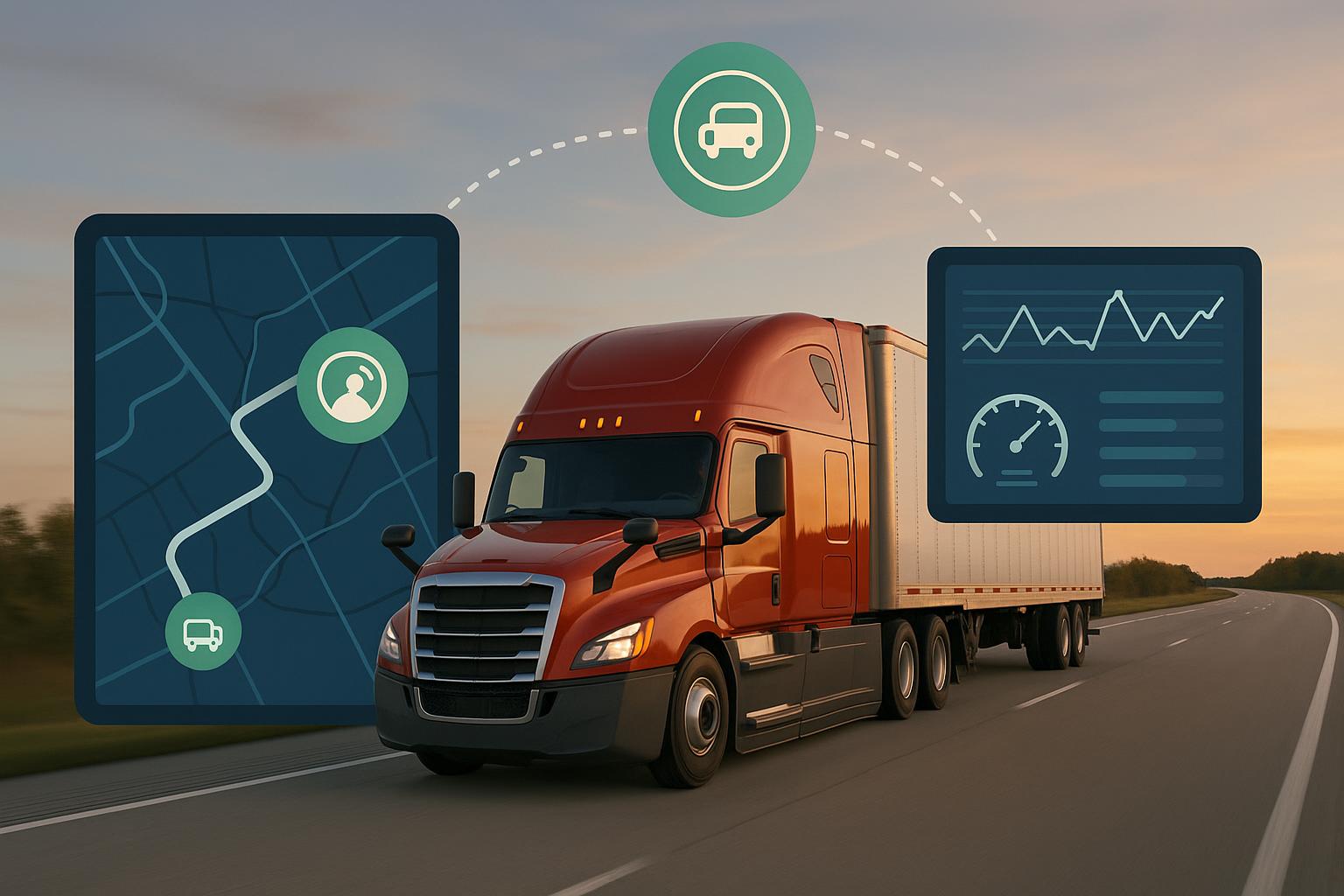
Tri-National Inc., headquartered in St. Charles, Missouri, is a leading trucking and logistics company providing cross-border transportation services across the United States, Mexico, and Canada. With strategically located service centers throughout the USMCA corridor, Tri-National Inc. delivers efficient door-to-door freight and dedicated truckload services supported by real-time tracking and 24-hour customer assistance. The company’s expertise in logistics and transportation management positions it to highlight how real-time fleet tracking improves efficiency and driver safety. By integrating advanced telematics and GPS technology, Tri-National Inc. demonstrates how data-driven visibility can enhance operational performance, promote accountability, and support sustainability goals in modern fleet operations.
How Real-Time Fleet Tracking Improves Efficiency and Driver Safety
As the logistics and transportation environment becomes more complex, efficiency and safety are at the core of fleet management. Many logistics companies are adopting real-time fleet tracking because it provides the necessary visibility into fleet operations. Integrating GPS technology, data analytics, and telematics into operations enables companies to monitor their vehicles in motion, optimize performance, reduce operational costs, and ensure driver safety. The continuous stream of data that real-time tracking provides helps to redefine how trucking businesses make strategic decisions.
One of the major benefits of real-time fleet tracking is that it ensures operational transparency. Real-time tracking enables fleet managers to view the exact location of every vehicle, identify the most efficient routes, and monitor traffic conditions. This level of visibility helps prevent delays, ensures goods reach their destination faster, and reduces transit times. For instance, when traffic congestion or unexpected detours happen, dispatchers can immediately reroute drivers.
Real-time tracking also helps to improve driver safety and accountability. Modern telematics systems record important metrics, such as harsh braking, sharp cornering, or sudden acceleration, all of which are behaviors that sometimes indicate reckless driving. Fleet managers often use this data to recognize safe performance, coach drivers, and intervene early enough when drivers exhibit unsafe habits. This proactive approach helps to reduce accident rates, safeguard drivers’ lives, and protect the company’s assets.
Additionally, real-time tracking allows for greater accountability. Drivers are more likely to follow safety protocols when they understand that managers are monitoring their performance in real time. Fatigue management tools, tracking systems, and in-cab alerts can also prompt drivers when they exceed regulated driving hours or are approaching dangerous conditions. These technologies ensure a culture of compliance and responsibility in logistics and freight operations, thereby improving trust between management and drivers.
Real-time fleet tracking helps businesses cut costs and operate more efficiently by improving how they use resources. Fleet managers can monitor routes, reduce idle time, and plan loads more effectively, which directly lowers fuel expenses. Instead of following fixed maintenance schedules, they can rely on vehicle performance data to decide when service is actually needed. This proactive approach prevents breakdowns, minimizes downtime, and extends the life of fleet vehicles, saving both time and money in the long run.
In addition to cost savings, real-time tracking supports sustainability goals by reducing the environmental impact of transportation operations. When companies optimize routes and lower fuel consumption, they produce fewer emissions and contribute to cleaner air. Many businesses are now focusing on sustainability as part of their long-term strategy, and real-time tracking helps them demonstrate that commitment. This not only ensures compliance with environmental standards but also enhances their reputation among customers and partners who value eco-friendly practices.
Another practical benefit of real-time tracking is its ability to turn data into practical insights. Fleet managers can use both historical and live data to make better-informed decisions about scheduling, route planning, and resource allocation. By integrating tracking information with transportation management and customer relationship tools, companies can coordinate their operations more effectively and anticipate demand. Whether managing a small local fleet or a large national network, access to this level of insight allows businesses to make confident, data-driven choices that improve performance and strengthen their position in the logistics market.
About Tri-National Inc.
Tri-National Inc. is a Saint Charles, Missouri-based trucking and logistics company providing transportation services throughout the United States, Mexico, and Canada. The company offers dedicated truckload, cross-border, and brokerage solutions supported by real-time tracking and 24-hour customer service. Recognized multiple times as “Truckload Carrier of the Year” by Johnson Controls, Tri-National Inc. is a member of the Truckload Carriers Association and the Customs-Trade Partnership Against Terrorism. The organization also supports charitable causes, including Kids Without Cancer and the American Diabetes Association.