


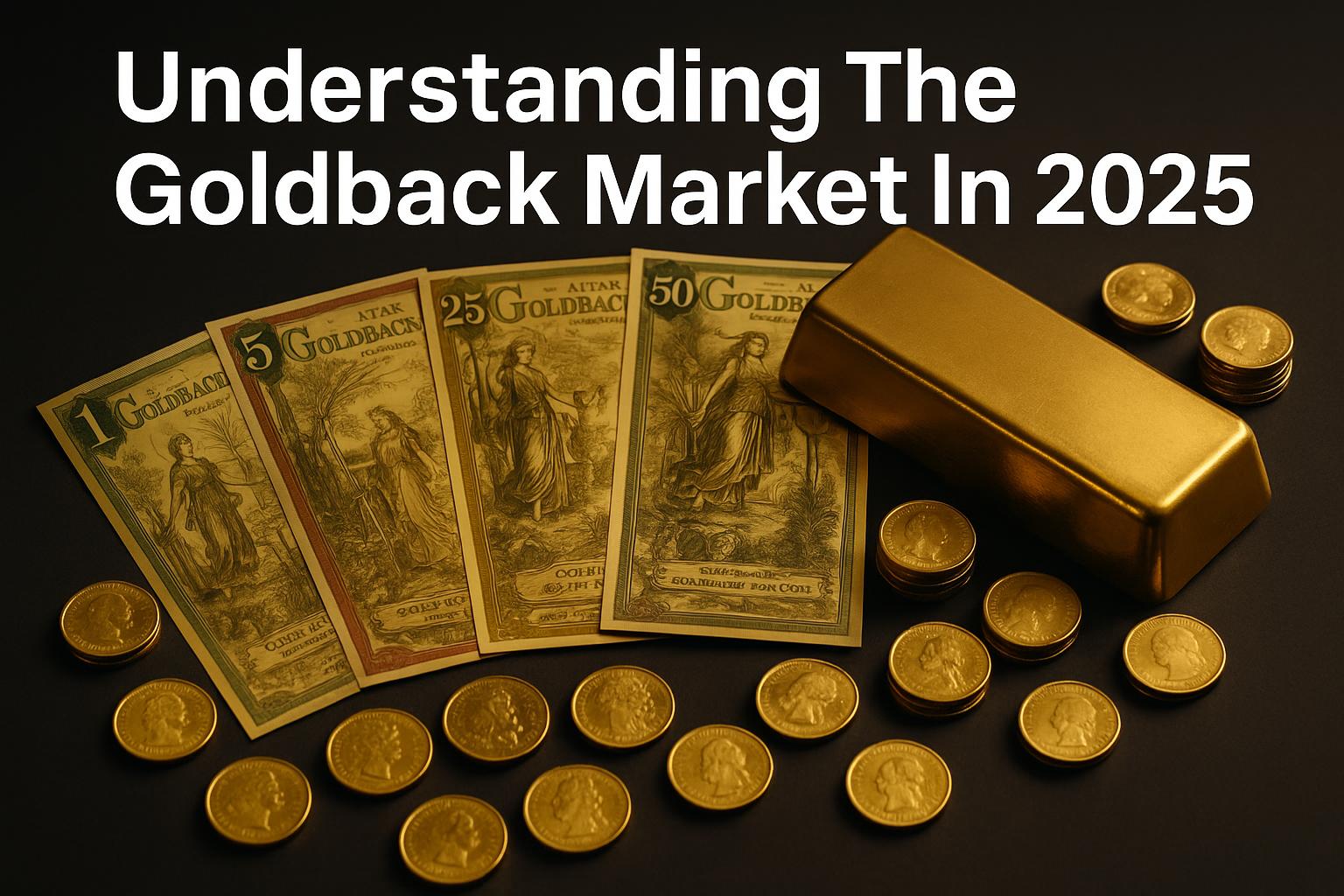
As gold prices surge to unprecedented heights in 2025, an innovative alternative currency is gaining momentum across the United States. Goldbacks, physical notes embedded with fractional amounts of 24-karat gold, represent a grassroots movement challenging traditional fiat currency systems while offering protection against inflation. With gold reaching approximately 50% gains this year and touching record highs above $4,000 per ounce, these gold-backed notes are capturing attention from consumers, investors, and businesses seeking tangible value in uncertain economic times.
The Rise of Physical Gold Currency
Contents
Goldbacks entered the market in 2019 with Utah as the inaugural series, and have since expanded to eight states including Nevada, New Hampshire, Wyoming, South Dakota, Florida, Oklahoma, and Arizona. The most recent Arizona series launched in November 2025 with over 200 businesses already accepting the currency. Each Goldback contains precisely measured gold content ranging from 1/2000th of an ounce in the smallest denomination to 1/10 troy ounce in the largest 100 Goldback note introduced with the Florida series.
The technology behind Goldbacks involves a patented vacuum deposition process that atomizes gold and layers it between durable polymer sheets, creating spendable currency that maintains the intrinsic value of gold while remaining practical for everyday transactions. This innovation addresses a fundamental challenge that has plagued gold as currency throughout history: divisibility for small purchases.
Market Growth and Adoption Statistics
The Goldback network has experienced substantial expansion in 2025. According to recent data, over 3,000 businesses across the United States now accept Goldbacks for goods and services, representing significant growth from just 1,000 verified merchants in mid-2024. Arizona alone aims to reach 500 participating businesses by year-end, having started with 200 at launch. The merchant acceptance rate demonstrates growing confidence in gold-backed alternative currencies amid concerns about dollar devaluation and inflation rates that have exceeded 20% cumulatively since 2019.
However, adoption remains concentrated in specific regions and demographics. Circulation data suggests only approximately 2% of Goldbacks are resold for fiat currency within five years of purchase, indicating that most holders view them as long-term stores of value rather than active medium of exchange. This pattern reveals both the strength and limitation of the current market: strong conviction among existing users but limited velocity in broader commerce.
Practical Access and Value Considerations
For those interested in acquiring Goldbacks, accessibility varies significantly by location. Major precious metals dealers and authorized distributors now number over 350 nationwide, making purchase relatively straightforward in states with established series. Some consumers seeking immediate access might conduct a Gold ATM near me google search to locate nearby vendors, though Goldback-specific retailers remain more reliable sources.
The pricing structure reflects both gold content and manufacturing complexity. A single 1 Goldback, containing 1/1000th troy ounce of gold, typically trades between $6.56 and $6.86 as of late 2025, compared to a melt value of approximately $4.20 based on current spot prices around $4,200 per ounce. This premium covers production costs, security features, and the currency’s utility value. Exchange rates update daily at 10 AM Mountain Standard Time, tracking global gold market movements to maintain transparency.
Critics note these premiums as a drawback, particularly for those seeking pure investment returns. Resale often involves spreads of 5-10% or higher depending on dealer familiarity and regional market depth. The limited liquidity outside participating states means quick liquidation can be challenging, requiring negotiation with local coin shops or specialized dealers.
Economic Context and Future Outlook
The Goldback surge occurs against a backdrop of remarkable precious metals performance. Gold is projected to increase approximately 42% in 2025 according to World Bank data, marking the strongest annual gain since the late 1970s. This rally stems from multiple factors: record central bank purchases totaling an estimated 750-900 metric tons, heightened geopolitical tensions, dollar weakness, and sustained investor demand through ETFs posting record inflows.
Central banks’ share of total gold demand rose to nearly 25% in 2024, more than double the 12% average from 2015-2019. Gold has surpassed US Treasuries in central bank reserves for the first time since 1996, signaling a fundamental shift in how institutions view safe-haven assets. This institutional validation strengthens the case for gold-backed alternatives like Goldbacks as complementary currencies.
Looking ahead, market analysts project gold could rise an additional 5-15% in 2026, providing tailwinds for Goldback valuations. However, potential headwinds include regulatory uncertainty, Federal Reserve policy shifts, and the practical challenge of expanding merchant networks beyond early adopter communities. While Goldbacks are not legal tender and lack government backing, growing state-level interest in sound money legislation could provide supportive frameworks.
Community and Cultural Dimensions
Beyond economic utility, Goldbacks serve as cultural artifacts celebrating regional heritage. Each state series features distinctive artwork depicting local history, landscapes, and cultural icons—from Florida’s historical milestones to Oklahoma’s Native American themes to Arizona’s timeline from Spanish missions through the Navajo Code Talkers of World War II. This design philosophy transforms currency into portable history, fostering community pride and engagement.
The merchant acceptance model creates network effects within local economies. Businesses accepting Goldbacks can retain the full gold-equivalent value or recirculate it locally, potentially increasing spending velocity within participating communities. In Utah, early adopters reported sustained customer loyalty among sound money advocates, particularly in agriculture and artisanal trades during the 2021-2023 period when regional inflation pressures intensified.
Educational initiatives and business incentives drive adoption, with Texas precious metals dealers earning promotional rewards for referrals that expand the network. These grassroots strategies reflect a broader philosophical position: supporting decentralized economic systems that resist centralized banking control and preserve purchasing power through tangible assets.
Balancing Opportunity and Limitations
The Goldback market in 2025 exists at an interesting crossroads. Supporters view it as a practical hedge against inflation and currency debasement, offering the stability of gold in spendable denominations without requiring formal liquidation. The growing merchant network and state-by-state expansion demonstrate genuine traction for alternative currencies grounded in precious metals.
Yet significant limitations persist. The niche acceptance network constrains immediate spendability compared to traditional payment methods. Premium costs over spot gold prices must be justified by personal economic philosophy and long-term holding intentions rather than short-term trading profits. Counterfeit risks, while mitigated by sophisticated security features and relatively low gold content per note, still require vigilance.
As gold continues its historic rally and economic uncertainty remains elevated, Goldbacks represent one answer to fundamental questions about the nature of money and value. Whether this model scales beyond enthusiast communities to achieve broader adoption will depend on continued merchant growth, regulatory developments, and the enduring appeal of holding wealth in physical form. For now, the Goldback market offers a tangible alternative for those seeking to diversify away from purely fiat-based systems while supporting local economies through gold-backed commerce.