


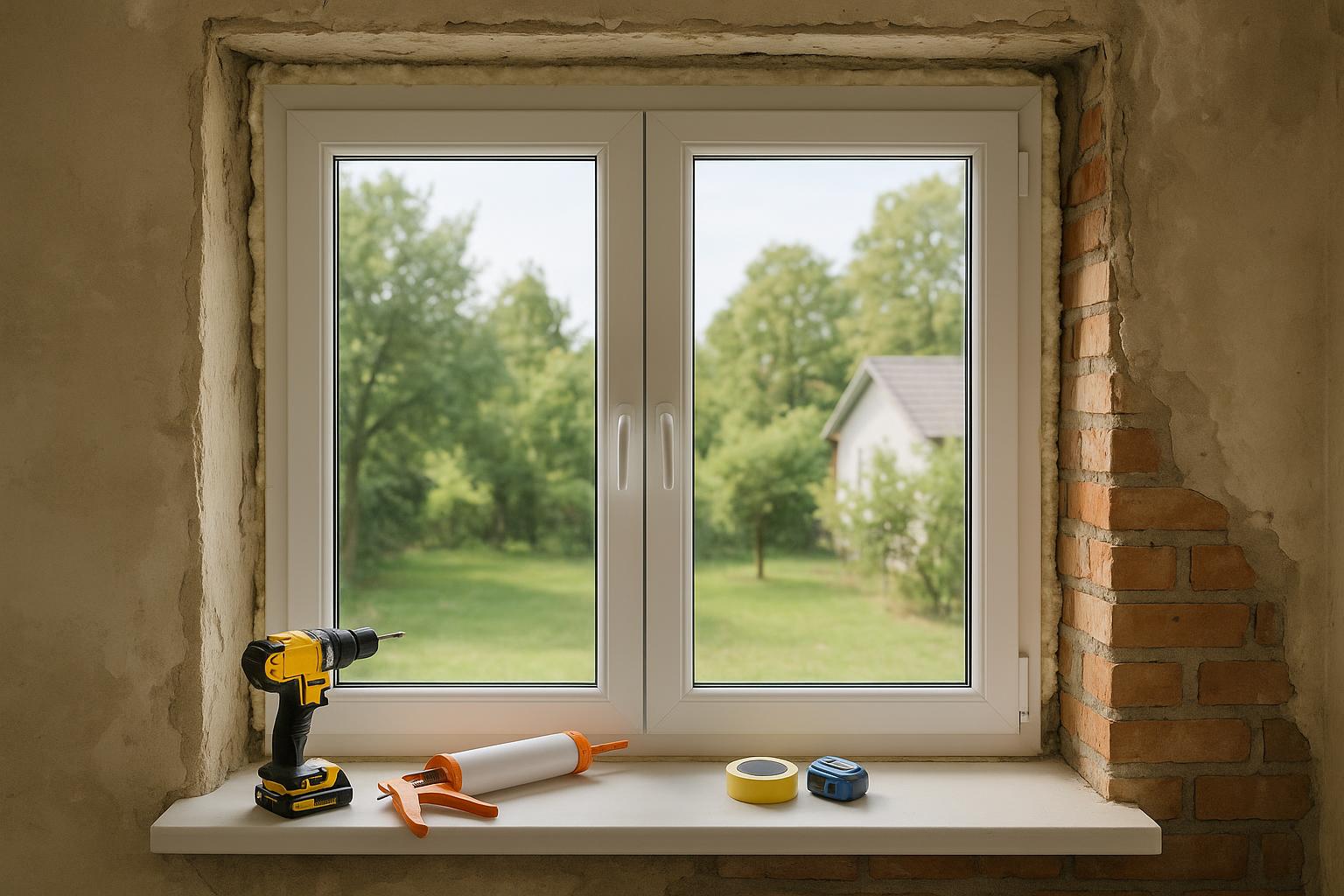
Window renovation is one of those home improvement projects that looks simple on the surface but carries long-term consequences for comfort, energy efficiency, and property value. Many homeowners replace windows because they feel drafty or outdated. Others are motivated by rising energy bills or a desire to modernize their home’s exterior.
But what actually makes a window renovation worth the investment? The answer goes far beyond appearance. A truly valuable renovation balances performance, durability, professional installation, and long-term financial return.
Let’s break down what separates a cosmetic upgrade from a smart investment.
Energy Efficiency That Delivers Real Savings
Contents
- Energy Efficiency That Delivers Real Savings
- Professional Installation: The Hidden Value Driver
- Improved Comfort and Indoor Climate Control
- Enhanced Curb Appeal and Property Value
- Long-Term Durability and Low Maintenance
- Noise Reduction and Lifestyle Benefits
- Security and Structural Integrity
- Climate-Appropriate Customization
- Final Thought
Energy efficiency is often the primary driver behind window replacement — and for good reason. Old or poorly installed windows allow air leakage, heat transfer, and moisture infiltration. Over time, this increases heating and cooling costs significantly.
Modern energy-efficient windows use:
- Double or triple glazing
- Low-E (low-emissivity) coatings
- Argon or krypton gas fills
- Warm-edge spacers
- Insulated frames
These components work together to reduce thermal transfer. In colder climates especially, high-performance glazing reduces heat loss in winter while reflecting excess heat during summer.
However, even the best window product can underperform if it’s not installed correctly. That’s why choosing experienced professionals is critical. Working with Window experts in Canada for your renovation ensures that both the product and the installation meet climate-specific performance standards.
When done right, energy-efficient windows don’t just improve comfort — they can noticeably reduce monthly utility costs and increase overall home efficiency ratings.
Professional Installation: The Hidden Value Driver
Many homeowners focus entirely on the window brand or glass specifications. Yet installation quality is often the most important factor in long-term performance.
Improper installation can cause:
- Air leaks
- Water infiltration
- Premature seal failure
- Frame warping
- Reduced insulation performance
Professional installers assess rough openings, structural integrity, flashing systems, and insulation requirements. They also ensure proper alignment and sealing, which protects against moisture damage — one of the most expensive home repair issues.
A well-installed window functions as a sealed system integrated into your home’s building envelope. A poorly installed one becomes a liability.
In other words, the craftsmanship behind the installation often determines whether your investment lasts 10 years or 30 years.
Improved Comfort and Indoor Climate Control
Comfort is rarely discussed in financial terms, but it plays a major role in perceived value.
Older windows often create:
- Cold drafts in winter
- Hot spots in summer
- Condensation buildup
- Outside noise intrusion
Upgraded windows improve indoor temperature consistency. High-quality frames and glazing reduce air leakage and block unwanted external noise. This is especially important for homes near busy roads or urban environments.
Better windows also reduce condensation. Moisture buildup on glass can damage surrounding frames, encourage mold growth, and signal poor insulation performance. Modern glazing systems significantly reduce this issue.
When your living room feels warmer in January and cooler in July — without overworking your HVAC system — the renovation immediately feels worthwhile.
Enhanced Curb Appeal and Property Value
Window renovation dramatically changes a home’s appearance. Clean lines, modern frames, and consistent styling improve both exterior and interior aesthetics.
From a resale perspective, updated windows send a powerful message to buyers:
- The home is well maintained
- Energy efficiency has been upgraded
- Major systems are modernized
Real estate professionals consistently note that new windows increase buyer confidence. While ROI percentages vary depending on market conditions, window replacement typically ranks among the more financially sound exterior improvements.
Curb appeal isn’t just cosmetic — it influences buyer perception and pricing power.
Long-Term Durability and Low Maintenance
The true cost of a window is not the purchase price — it’s the lifetime ownership cost.
Low-quality windows may require repainting, resealing, or repairs within a few years. High-performance materials such as vinyl, fiberglass, or properly treated wood composites offer superior resistance to:
- Warping
- Cracking
- Moisture damage
- UV degradation
Modern windows also include tilt-in cleaning features and durable hardware systems, reducing maintenance effort.
When evaluating worth, ask:
- What is the warranty coverage?
- How long is the seal guarantee?
- What materials are used in the frame?
- Are hardware components corrosion-resistant?
A longer lifespan reduces replacement frequency and maintenance expenses — making the initial investment more cost-effective over time.
Noise Reduction and Lifestyle Benefits
Beyond financial return, lifestyle improvements add real value.
Multi-pane windows with insulated glass units significantly reduce external noise transmission. If your home is located near:
- High-traffic roads
- Schools
- Construction zones
- Airports
Upgraded windows can dramatically reduce interior noise levels.
For families working remotely or children studying at home, sound insulation becomes a meaningful quality-of-life improvement. The ability to enjoy a quiet interior space adds daily comfort that’s difficult to quantify but deeply appreciated.
Security and Structural Integrity
Modern window systems are designed with improved locking mechanisms and stronger glazing options.
Laminated or tempered glass options increase resistance to forced entry. Multi-point locking systems improve security compared to older single-latch models.
Additionally, new installations reinforce the structural interface between window frames and wall openings. This improves overall building envelope performance and reduces vulnerabilities to weather-related damage.
In regions prone to strong winds or extreme temperatures, structural performance is not just a feature — it’s a necessity.
Climate-Appropriate Customization
A renovation becomes truly worthwhile when windows are selected based on regional climate demands.
In colder regions, priority should be placed on:
- Lower U-factor ratings
- Triple glazing
- Enhanced insulation performance
In warmer regions, focus shifts toward:
- Solar heat gain control
- UV filtering
- Reflective coatings
Selecting windows without considering climate often results in underperformance. Customization based on environment ensures the investment aligns with real-world conditions.
Final Thought
When product quality and professional craftsmanship align, window replacement transforms from a simple upgrade into a long-term asset. It enhances comfort, lowers energy costs, improves property value, and strengthens structural performance.
In the end, the most worthwhile renovations are those that continue paying dividends year after year — not just visually, but financially and functionally.