


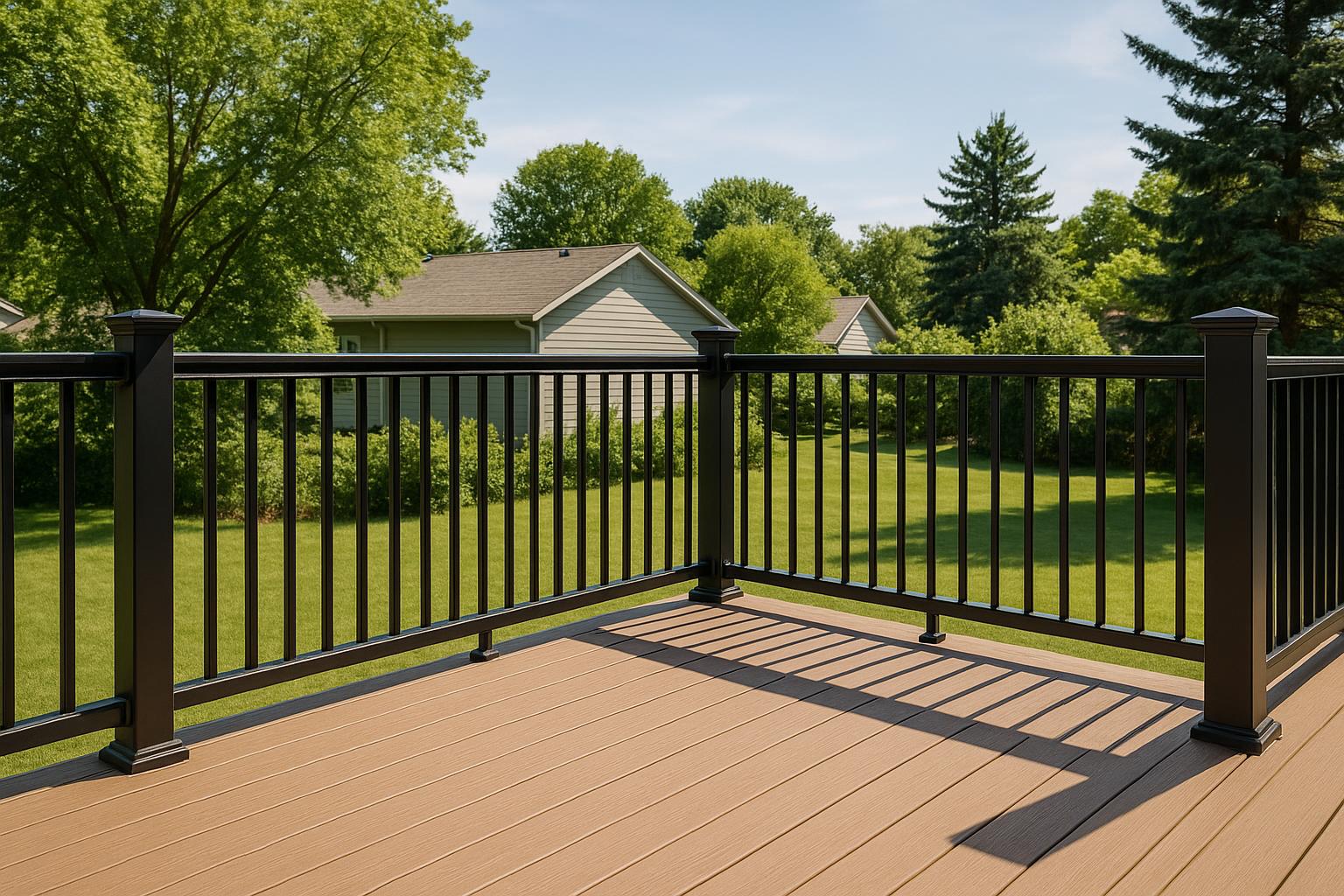
A well-built deck adds beauty, functionality, and value to any home. It creates a comfortable outdoor space for relaxing, entertaining guests, and enjoying fresh air. But while design and aesthetics often get the most attention, safety should always come first. That’s where building code compliance becomes essential—especially when it comes to residential deck railings.
Deck railings are more than decorative features. They serve as critical safety barriers that protect family members and visitors from falls and serious injuries. Failing to meet local building codes can lead to dangerous conditions, legal complications, and costly repairs. Understanding why compliance matters can help homeowners make smarter decisions and protect their investment.
Understanding Building Codes for Deck Railings
Contents
Building codes are standardized regulations that set minimum safety requirements for construction projects. In Canada, residential deck requirements are generally guided by the National Building Code, along with provincial and municipal regulations. These codes outline specific details for deck railings, including:
- Minimum railing height
- Maximum spacing between balusters
- Load-bearing capacity
- Structural attachment requirements
For example, most residential decks require guardrails at least 36 inches high, though higher decks may require 42 inches. Baluster spacing is typically limited so that a 4-inch sphere cannot pass through, reducing the risk of small children slipping through gaps.
Local authorities often enforce these regulations strictly. If you’re considering professional installation, reviewing reliable providers of deck railings Edmonton can help ensure your project aligns with regional standards while maintaining visual appeal.
Codes are not arbitrary. They are developed through years of engineering research, accident analysis, and field experience. Each specification exists to address real-world safety concerns.
Safety Comes First: Protecting People from Injury
The primary purpose of building code compliance is safety. Falls from decks are one of the most common residential injuries, especially among children and older adults. Even a relatively short fall can result in fractures, head injuries, or worse.
Properly designed and installed railings reduce these risks significantly. Code-compliant railings must withstand a specific amount of force, ensuring they remain stable if someone leans against them. This load requirement prevents railings from collapsing under pressure.
Spacing requirements are equally important. Gaps that are too wide can allow children or pets to slip through. Horizontal railing designs, while modern-looking, may create climbing hazards if not designed carefully according to code.
When homeowners attempt DIY installations without fully understanding code requirements, small measurement mistakes can lead to major safety hazards. Compliance ensures that every dimension, connection, and material choice meets tested standards.
Avoiding Legal and Financial Consequences
Non-compliance can lead to serious financial consequences. If a deck fails inspection, homeowners may be required to make expensive corrections. In some cases, the deck may need partial or complete reconstruction.
Beyond inspection issues, liability risks are even more concerning. If someone is injured due to a code violation, the homeowner could face legal claims. Insurance companies may deny coverage if it is determined that the deck did not meet required standards at the time of installation.
Additionally, when selling a home, non-compliant deck structures can delay or derail transactions. Home inspectors frequently check decks for code adherence. Buyers may request repairs, negotiate lower prices, or walk away entirely if issues are discovered.
Building code compliance is not just about passing an inspection—it is about protecting your financial security and avoiding preventable disputes.
Ensuring Structural Integrity and Long-Term Durability
Building codes also address structural durability. Deck railings must resist environmental stress such as wind, snow loads, temperature changes, and moisture exposure. These factors are especially relevant in climates with harsh winters and freeze-thaw cycles.
Improperly secured rail posts can loosen over time. Weak connections between railings and deck framing are common failure points. Codes specify proper fastening techniques, anchoring systems, and reinforcement methods to prevent gradual deterioration.
Materials must also meet performance standards. Whether using wood, aluminum, composite, or glass panels, each material must be installed according to structural guidelines. Even high-quality materials can fail if improperly mounted.
Compliance ensures that railings do not just look secure on day one but remain reliable for years to come. A code-compliant deck is an investment in durability.
Supporting Property Value and Professional Standards
A well-built, code-compliant deck adds measurable value to a home. Buyers are more confident purchasing properties with documented compliance and approved permits. It signals that the homeowner prioritized quality and safety.
On the other hand, visible shortcuts—such as uneven baluster spacing or unstable railing posts—can raise red flags. Even minor deviations can create the impression of broader structural issues.
Professional contractors stay updated on local building requirements. Regulations can evolve over time as new research and materials emerge. Working with knowledgeable professionals helps ensure your deck reflects current standards, not outdated practices.
Beyond resale value, compliance also promotes community-wide safety standards. When everyone adheres to established codes, neighborhoods maintain consistent construction quality, reducing risks for all residents.
Final Thought
Building code compliance for residential deck railings is not a bureaucratic formality—it is a fundamental safeguard. It protects people from injury, shields homeowners from legal and financial complications, and ensures structural longevity.
While it may be tempting to focus on style, cost savings, or quick installation, cutting corners on safety requirements can have lasting consequences. Railings serve a critical protective function, and every measurement, material choice, and fastening detail matters.
Whether you are planning a new deck or upgrading an existing one, prioritize compliance from the beginning. A properly built railing system delivers peace of mind, enhances property value, and ensures your outdoor space remains both beautiful and secure for years to come.