


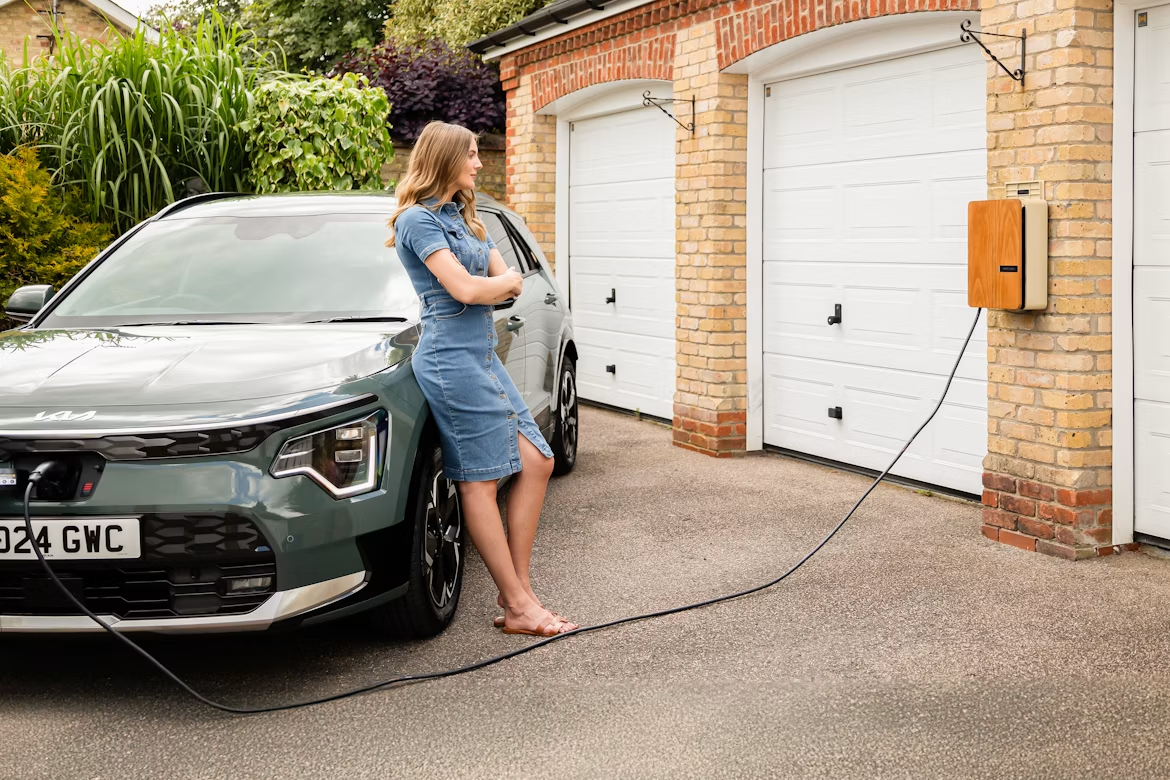
Electric vehicles (EVs) are popping up everywhere, and you might be wondering if one makes sense for your daily drive. Swapping your gas car for an EV is a big decision, though. It’s more than just picking a new color; you need to think about your budget, how you drive, and what you really want in a car.
Before you head to the dealerships, let’s look at the main things to consider when figuring out if an EV fits your commute.
Comparing Running Costs
Contents
One of the best things about owning an EV is that it can cost less to run. You’ll pay for electricity instead of gas, and electricity is usually cheaper per mile. Plus, you can forget about oil changes, spark plugs, and other regular maintenance that gas cars need. The catch is that EVs often cost more to buy upfront than a similar gas car.
To help with this, many drivers look into financing and incentives. Some employers even have programs that make EVs more affordable. Checking out a salary sacrifice electric car example can show how these plans use pre-tax deductions to lower the overall cost, making even premium models more accessible than you might think. When you add up the fuel savings and lower maintenance, the total cost of owning an EV over a few years often comes out ahead.
Environmental Impact Considerations
Lots of drivers switch to an EV because of the environmental benefits. EVs don’t have tailpipe emissions, which means cleaner air in cities and a smaller carbon footprint for your daily trips. This positive effect is even bigger if your local power grid gets a lot of its energy from renewable sources like solar or wind.
Of course, you also have to consider the environmental impact of making the car and its battery. While this initial impact is higher than for traditional cars, studies show that over its lifetime, an EV usually has a much smaller overall carbon footprint. The full list of electric vehicle benefits includes things like fewer emissions and not relying as much on imported oil, which helps with energy security.
The Daily Commute Experience
Your daily routine will likely get easier with an EV. Imagine starting each day with a full tank because you charged your car overnight at home. For most commuters, this means no more weekly trips to the gas station. Driving an EV also feels different. They’re super quiet and accelerate instantly, which makes stop-and-go traffic much smoother.
New EV owners often worry about range anxiety, meaning they’re afraid of running out of power before finding a charger. But if your daily commute is well within the car’s range and you can charge at home, this usually isn’t a problem. For longer trips, you’ll need to plan your route around public charging stations. Thinking about these daily logistics is key to figuring out if an EV is right for you.
Smart Ways to Finance an EV
Besides employer programs, there are other ways to make an EV more affordable. Many governments offer tax credits or rebates that can significantly cut the purchase price. These incentives vary by location and car model, so it’s worth checking what’s available where you live. These credits can sometimes save you thousands of dollars, making the upfront cost much easier to handle.
Leasing is another popular choice. It usually means a lower down payment and smaller monthly payments compared to buying. At the end of the lease, you can just return the car and get a newer model, which is great for keeping up with fast-changing battery technology. Whether you buy or lease, make sure to compare offers from different lenders and dealerships to get the best deal.
The best way to decide is to compare your daily commute and budget with what EVs offer. A little research into how far you drive each day and your home charging options can give you a clear answer.