


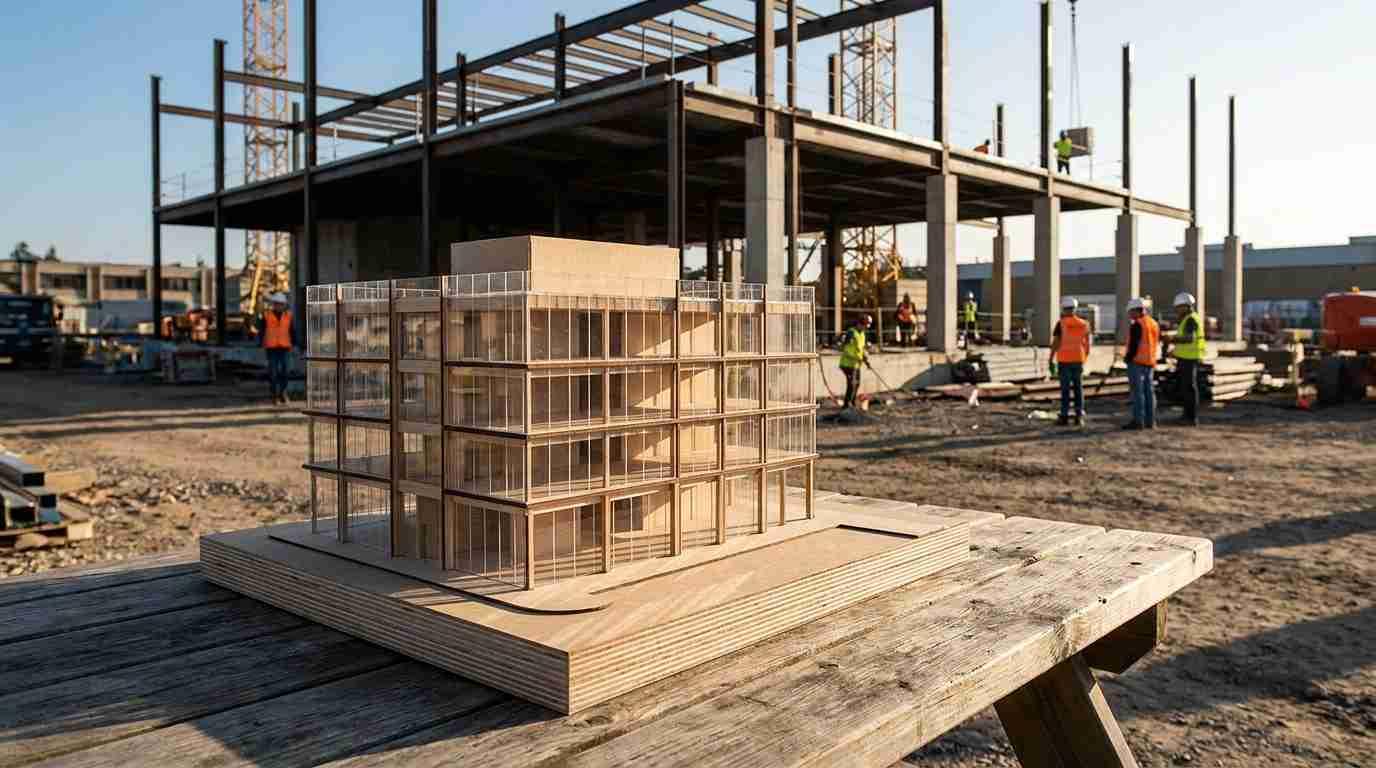
Content creation used to begin with words, scripts, outlines, and ideas written down before anything visual came into play. That sequence is quietly flipping. Today, visuals are entering the process much earlier, often before a single line of final content is locked in. This shift is not random; it’s driven by the need for clarity, speed, and alignment across increasingly complex content workflows. An ai image generator is playing a major role in making this shift practical and scalable.
Instead of imagining how something might look, creators now prefer to see it. Early visuals give structure to ideas that would otherwise remain vague. They act as checkpoints, helping teams evaluate direction before committing time and resources. This approach reduces wasted effort and creates a more confident path toward execution.
At the heart of this transformation is Visual prototyping. It’s not about perfection, it’s about early visualization. By generating rough but meaningful visuals at the planning stage, creators can test ideas, refine them, and move forward with much stronger clarity.
The Evolution of Content Planning
Contents
- The Evolution of Content Planning
- From Abstract Ideas to Visual Clarity
- Why Early Visuals Improve Decision-Making
- Reducing Rework and Saving Time
- Encouraging Creative Exploration Without Pressure
- Strengthening Collaboration Across Teams
- Connecting Image Prototyping to Video Production
- Maintaining Consistency From the Start
- Where Human Creativity Still Leads
- Building a More Adaptive Workflow
- The Future of Content Planning
- Final Thoughts
Content planning has traditionally been a linear process. First came the idea, then the structure, followed by execution, and finally visuals. This sequence worked when content cycles were slower, but it struggles to keep up with today’s demand for speed and adaptability.
An ai image generator disrupts this linear approach by introducing visuals at the very beginning. Instead of waiting until later stages, creators can generate prototypes instantly and use them to guide decisions. This makes the planning process more dynamic and responsive.
To understand how design thinking is influencing this shift, it’s helpful to explore machine learning basics for creatives, which emphasize the importance of structure, balance and visual hierarchy. Tools like Higgsfield bring these principles into early-stage planning, making it easier to apply them from the start rather than as an afterthought.
From Abstract Ideas to Visual Clarity
Ideas often sound strong in theory but reveal weaknesses when visualized. This is one of the biggest challenges in content planning, bridging the gap between concept and execution.
An ai image generator helps close this gap by turning abstract ideas into visible drafts. These early visuals make it easier to assess whether a concept works, needs adjustment or should be replaced entirely. Instead of relying on imagination alone, creators can make decisions based on what they see.
Many teams now rely on tools like ai image generator to create quick visual prototypes during planning. Higgsfield supports this process by enabling rapid generation and iteration, allowing creators to explore multiple directions without slowing down.
Why Early Visuals Improve Decision-Making
Decision-making becomes significantly easier when there’s something concrete to evaluate. Without visuals, discussions can become vague and subjective, leading to delays and confusion.
An ai image generator provides a shared reference point. Teams can look at the same visual and discuss specific elements such as composition, tone, and style. This makes feedback more actionable and reduces the chances of miscommunication.
Higgsfield enhances this process by allowing creators to generate multiple variations quickly. Instead of debating ideas endlessly, teams can compare options and choose the most effective one based on actual visuals.
Reducing Rework and Saving Time
One of the hidden costs of traditional workflows is rework. When visuals are created late in the process, any mismatch between expectation and output can lead to significant revisions.
An ai image generator minimizes this risk by introducing visuals early. By testing ideas at the planning stage, creators can identify potential issues before they become costly problems. This reduces the need for major changes later on.
Higgsfield plays a key role here by enabling creators to refine their ideas before execution. This not only saves time but also ensures that the final output aligns more closely with the original vision.
Encouraging Creative Exploration Without Pressure
Planning stages often feel restrictive because decisions made early can shape the entire project. This pressure can limit creativity and discourage experimentation.
With an ai image generator, exploration becomes much more accessible. Creators can generate multiple prototypes quickly, each representing a different approach. This encourages experimentation without the fear of wasting time.
Higgsfield supports this creative freedom by making it easy to switch between ideas and test new concepts. Instead of committing too early, creators can explore widely and refine their direction based on what works best.
Strengthening Collaboration Across Teams
Content creation is rarely a solo effort. It involves collaboration between designers, marketers, writers, and sometimes clients. Aligning all these perspectives can be challenging, especially when ideas are still abstract.
An ai image generator simplifies collaboration by providing a visual reference that everyone can understand. This reduces ambiguity and makes it easier to communicate ideas effectively.
Higgsfield enhances collaboration by allowing teams to iterate together. Visual prototypes can be shared, discussed and refined in real time, leading to faster alignment and better outcomes.
Connecting Image Prototyping to Video Production
The importance of early visuals becomes even more evident in video content. Video production involves multiple stages, and mistakes made during planning can be expensive to fix later.
An ai image generator acts as a bridge between planning and production. By creating visual prototypes, creators can define the look and feel of a video before filming or animating begins. This ensures consistency and reduces uncertainty.
Higgsfield is particularly valuable in this context, as it supports workflows that connect image generation with video creation. This allows creators to build a strong visual foundation that can be expanded into motion content.
Maintaining Consistency From the Start
Consistency is a key factor in building a strong brand identity. However, achieving consistency can be difficult when visuals are created at different stages by different people.
An ai image generator helps establish consistency early by generating prototypes that align with a defined style. These prototypes serve as a reference for future content, ensuring that all visuals follow a cohesive direction.
Higgsfield supports this approach by enabling creators to standardize their visual output while still allowing for variation. This balance between consistency and creativity is essential for effective content planning.
Where Human Creativity Still Leads
While visual prototyping offers many advantages, it does not replace the need for human creativity. Final outputs often require a level of detail and refinement that AI alone cannot achieve.
An ai image generator is best used as a starting point, providing a foundation that can be enhanced through manual work. This combination of AI and human input leads to stronger and more polished results.
Higgsfield supports this hybrid approach by allowing creators to move seamlessly between automated generation and manual refinement. This ensures that the final output meets both creative and technical expectations.
Building a More Adaptive Workflow
The integration of visual prototyping is changing how workflows are structured. Instead of following a rigid sequence, creators are adopting more flexible processes that allow for continuous iteration.
An ai image generator becomes a central tool in this workflow, enabling creators to generate, test, and refine ideas at every stage. This makes the process more adaptive and responsive to changes.
Higgsfield enables this flexibility by providing tools that support both experimentation and execution. Creators can move between stages, adjusting their approach as needed without losing momentum.
The Future of Content Planning
As content demands continue to grow, the need for efficient planning processes will only increase. Visual prototyping is likely to become a standard step in content creation, rather than an optional one.
An ai image generator will play a key role in this evolution, helping creators generate and refine ideas more quickly. Early visuals will become essential for guiding decisions and ensuring successful execution.
Higgsfield is already shaping this future by making it easier to create and iterate on visual prototypes. As workflows continue to evolve, the ability to visualize ideas early will become a major advantage.
Final Thoughts
Content planning is no longer just about outlining ideas, it’s about visualizing them. Early visuals provide clarity, improve decision-making, and reduce the risk of misalignment.
An ai image generator allows creators to bring their ideas to life at the planning stage, making the entire process more efficient and effective. It transforms planning from a purely conceptual exercise into a visual one.
By incorporating tools like Higgsfield into their workflows, creators can build stronger foundations for their content. The result is a process that feels more controlled, more creative, and ultimately more successful.