


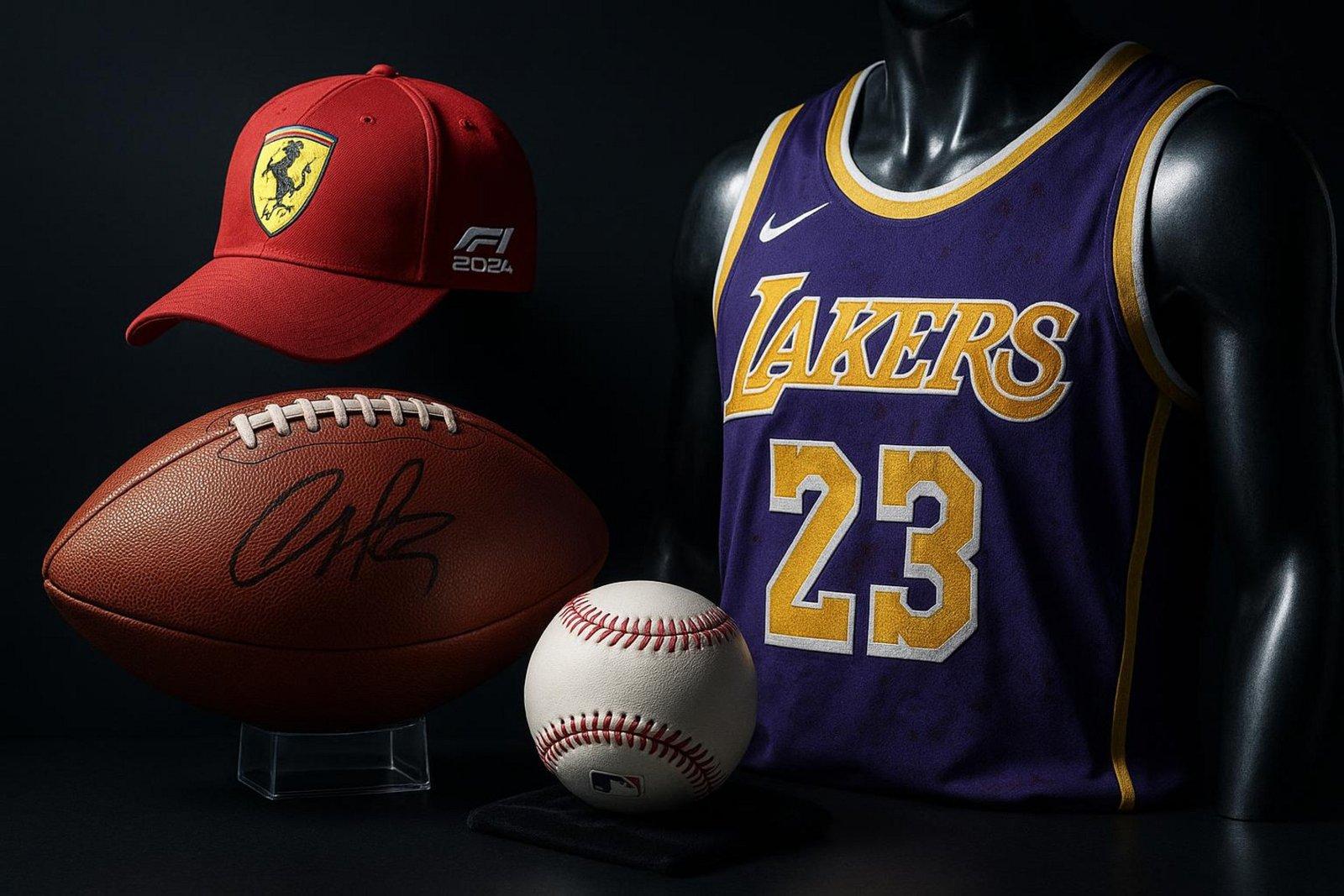
Choosing authentic sports merchandise online means learning how to spot official licensing marks, understanding third-party authentication, and telling the difference between real retailers and fake “too-good-to-be-true” offers.
To be authentic, an item must either be made under a direct license from a professional league (like the NFL, MLB, or NBA) or, for signed memorabilia, be verified by a trusted third-party service such as PSA/DNA, JSA, or Beckett. Shopping online can be exciting, but with estimates showing that a large share of autographed items on the internet are fake, being informed is your strongest protection.
For many fans, wearing a team jersey or displaying a signed helmet is more than a simple purchase; it feels like a badge of honor and a real link to the athletes they support. Whether you are hunting for the latest NFL gear or looking for quality F1 and motorsport merch, your main goal is to make sure your money supports the sport and the players, not counterfeiters. This guide looks closely at sports collectibles so you can shop with real confidence.
What Qualifies as Authentic Sports Merchandise?
Contents
- What Qualifies as Authentic Sports Merchandise?
- Why Buy Authentic Sports Merchandise Online?
- How to Identify Authentic Sports Merchandise
- Common Scams and Red Flags When Buying Online
- Top Places to Buy Genuine Sports Merchandise Online
- What Factors Should You Consider Before Purchasing?
- Frequently Asked Questions about Choosing Authentic Sports Merchandise Online
- Key Takeaways for Confident Online Shopping
Types of Official Sports Merchandise
Authentic sports merchandise covers a wide range of items, from everyday “fan gear” we wear to games to high-value collectibles. Common products include signed jerseys, game-used equipment like bats or balls, autographed photos, and even historic game tickets. For serious collectors, trading cards (especially PSA-graded cards) and limited-edition prints also fit into this group. Each item helps mark a special moment, such as a player’s MLB debut or a Super Bowl win.
Jerseys usually come in “replica” and “authentic” levels. “Authentic” jerseys match what players wear on the field, with strong stitching and performance fabrics. “Replica” jerseys are still official products, but they use more comfortable, fan-friendly materials. Both count as authentic as long as the league has licensed them.
Common Materials and Markings for Genuine Products
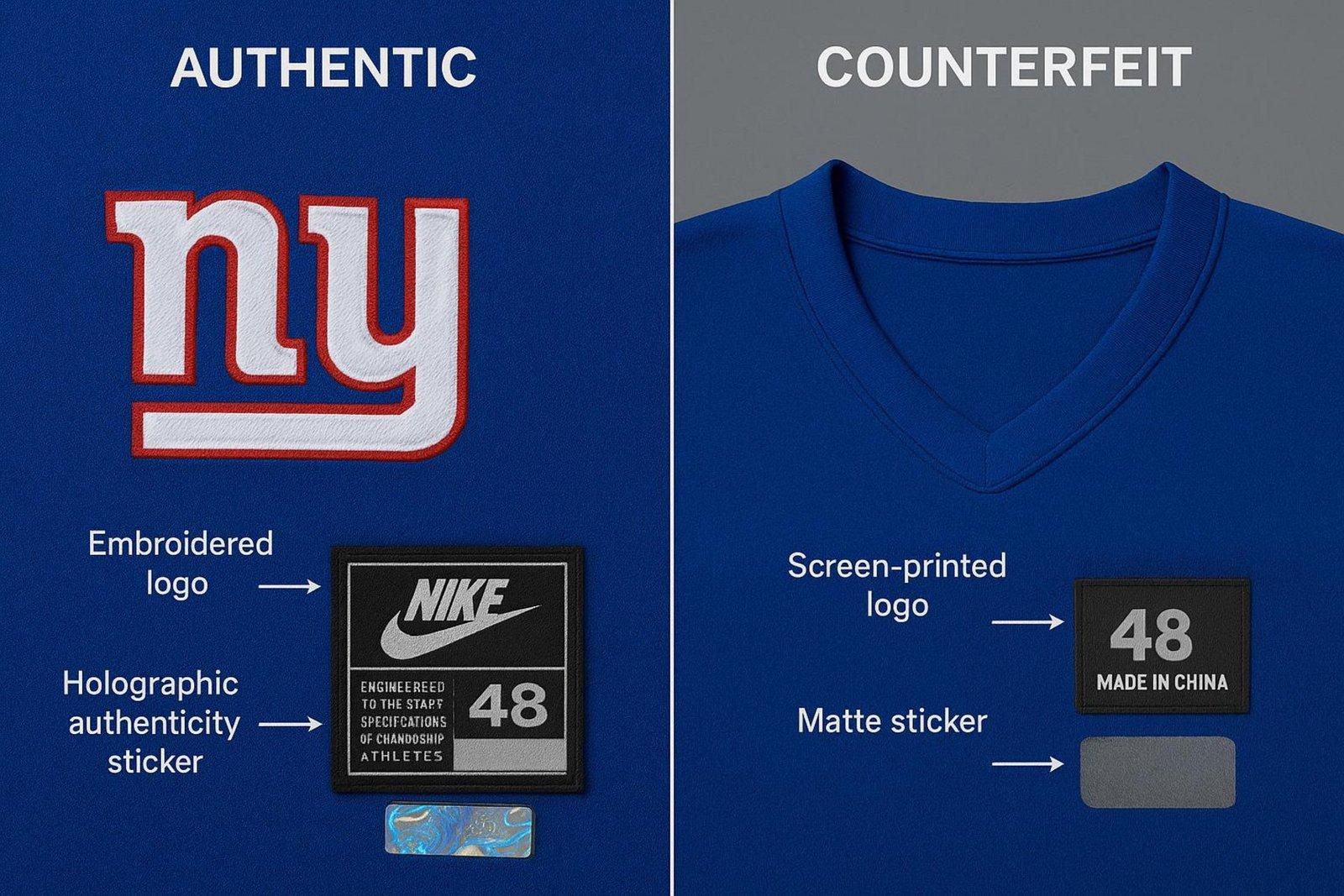
Real products are made with high-quality workmanship. Official jerseys often have embroidered logos instead of cheap screen prints, and the fabric should feel strong and match the brand’s standards (like Nike’s Dri-FIT or Adidas’s AeroReady). Check for “jock tags” on the lower front of jerseys; these usually include the league logo and size details printed in clear, sharp text.
A key sign of authenticity is a tamper-proof hologram. These small, shiny stickers usually carry a unique serial number that you can check in an online database. If a product feels weak, has many loose threads, or shows blurry or off-center logos, it is likely fake. Real merchandise is made to hold up over time and reflect the status of the teams it represents.
Differences Between Licensed and Unlicensed Items
The main difference between licensed and unlicensed items is the legal right to use team names, logos, and colors. Licensed merchandise is made by companies that pay royalties to the league or team, so part of every sale goes back to the sport. These items will have official league tags and holographic stickers.
Unlicensed items, often called “knock-offs” or “bootlegs,” are made without permission. They may look similar from a distance, but often use slightly off colors or generic fonts to avoid legal issues. Buying unlicensed gear usually means getting a lower-quality product and taking money away from the teams and athletes who help grow the sport and the fan experience.
Why Buy Authentic Sports Merchandise Online?
Benefits of Purchasing Online vs. In-Store
Shopping online gives you access to a huge selection that no single physical store can match. Local memorabilia shops let you see and touch items and maybe haggle on price, but online platforms connect you to a worldwide inventory. You can find niche pieces, such as rare international soccer kits or specific motorsport collectibles at https://www.topracingshop.com/, that your local mall will never stock. Online shopping also makes it easy to compare prices across multiple authorized retailers so you can get a fair deal.
Having items shipped to your door, often backed by buyer protection programs, makes online shopping very appealing. Many specialist websites also offer handpicked collections with built-in authenticity guarantees. This saves you from searching through many local stores just to locate one signed rookie card or a limited-edition helmet.
Risks of Counterfeit Merchandise
The online space has a lot of fraud. The FBI has estimated that roughly 70 to 90 percent of autographed sports memorabilia in the market is fake. Buying a counterfeit is not just a waste of money; it can spoil the fun of collecting. Fakes usually have no resale value, so if you are collecting as an investment, a fake item can wipe out your entire spend.
Fake sellers often use misleading photos, showing a genuine item in the listing but sending a poor copy. Without knowing what to look for, many fans fall for these tricks, especially on unverified social media groups or small, unknown auction sites.

Impacts on Fans, Teams, and Leagues
When fans buy authentic gear, they help support the full system behind their favorite sport. This money can go toward stadium upgrades, player salaries, and youth programs. It also helps keep the team’s brand strong. For the fan, owning a real item brings pride and a sense of connection to the team’s story that a fake cannot match.
On the other hand, a flood of fakes hurts honest collectors. If the market is full of forged signatures, the value of real autographs can stop rising or even fall. By insisting on authentic items, collectors help protect both the trust and the financial value of the hobby for everyone.
How to Identify Authentic Sports Merchandise
Spotting Official Licensing Marks and Holograms
The first thing to check on any sports item is the official licensing mark. Most major leagues use advanced holograms that are very hard to copy. These stickers should show a 3D effect when you tilt them in the light and often have tiny “micro-text” that you can only see with magnification. For example, MLB holograms can usually be checked on their official website, which will tell you exactly which game a “game-used” item came from.
Recognizing Certificates of Authenticity (COA)
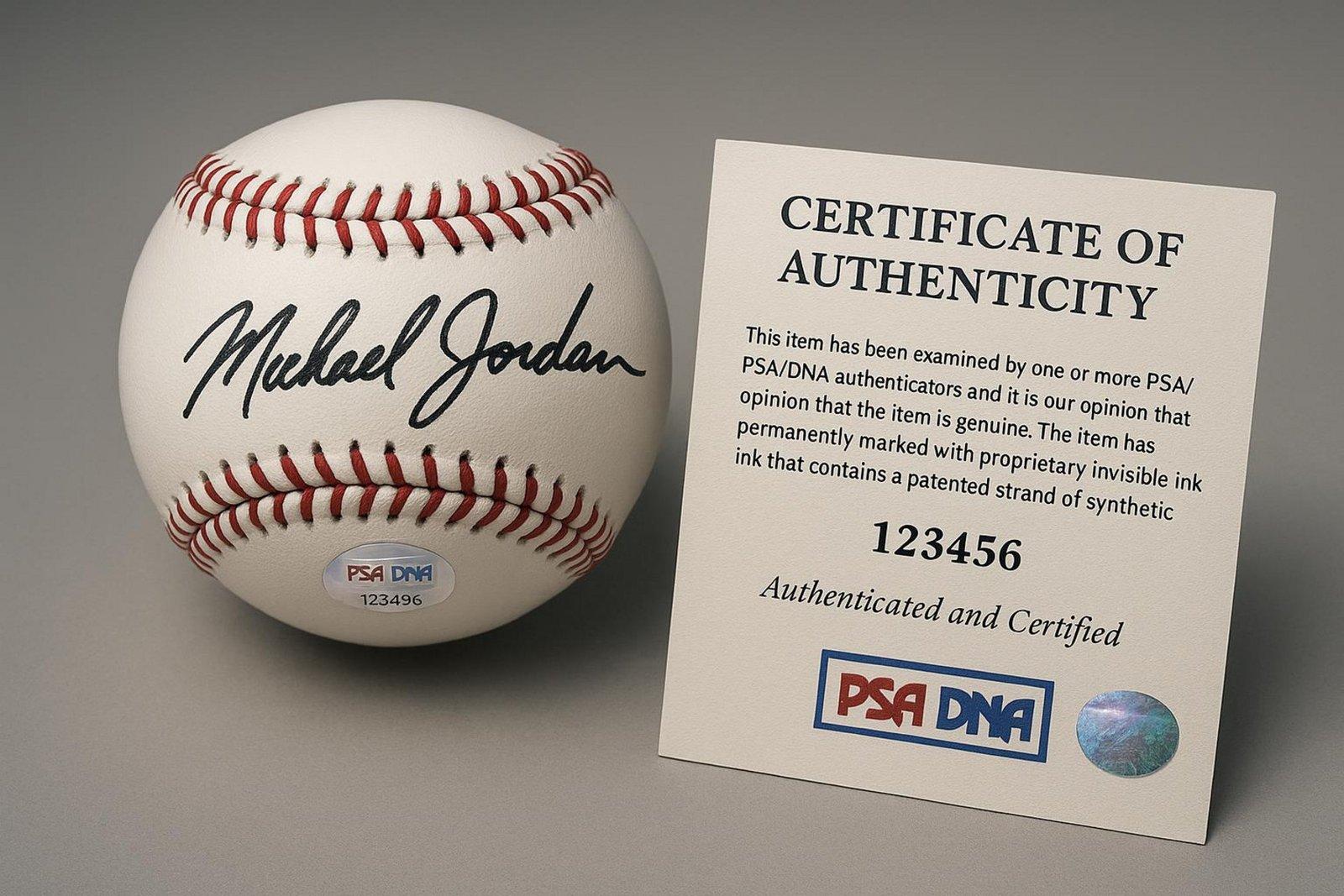
A Certificate of Authenticity (COA) is a document from an authentication company that states an item is real. But COAs vary in quality. A “generic” COA from an unknown seller offers very little trust. Look for COAs from top names like PSA/DNA, James Spence Authentication (JSA), or Beckett Authentication Services (BAS). These documents should have a serial number that matches a sticker on the actual item.
Verifying Autographed and Limited Edition Collectibles
For autographs, the ink should sit on top of the surface with natural changes in pressure and line thickness. If a signature looks too perfect or seems “printed,” be cautious. Professional authenticators study each athlete’s normal signing style, including how they form letters and where they add loops or lines. Limited edition items are popular as well; they should be clearly numbered (for example, “25/100”) and come with paperwork from the manufacturer or a trusted promoter like Steiner Sports or Fanatics.
Comparing Product Codes and Serial Numbers
Many modern sports products have a small white tag with a product code inside the garment. You can look up this code online to confirm it matches the exact jersey or jacket you own. If the code pulls up a completely different item, you likely have a fake. In the same way, always check serial numbers for signed items on the authenticator’s website to make sure the description there matches the item you’re holding.
Common Scams and Red Flags When Buying Online
Unusually Low Prices and Too-Good-To-Be-True Deals
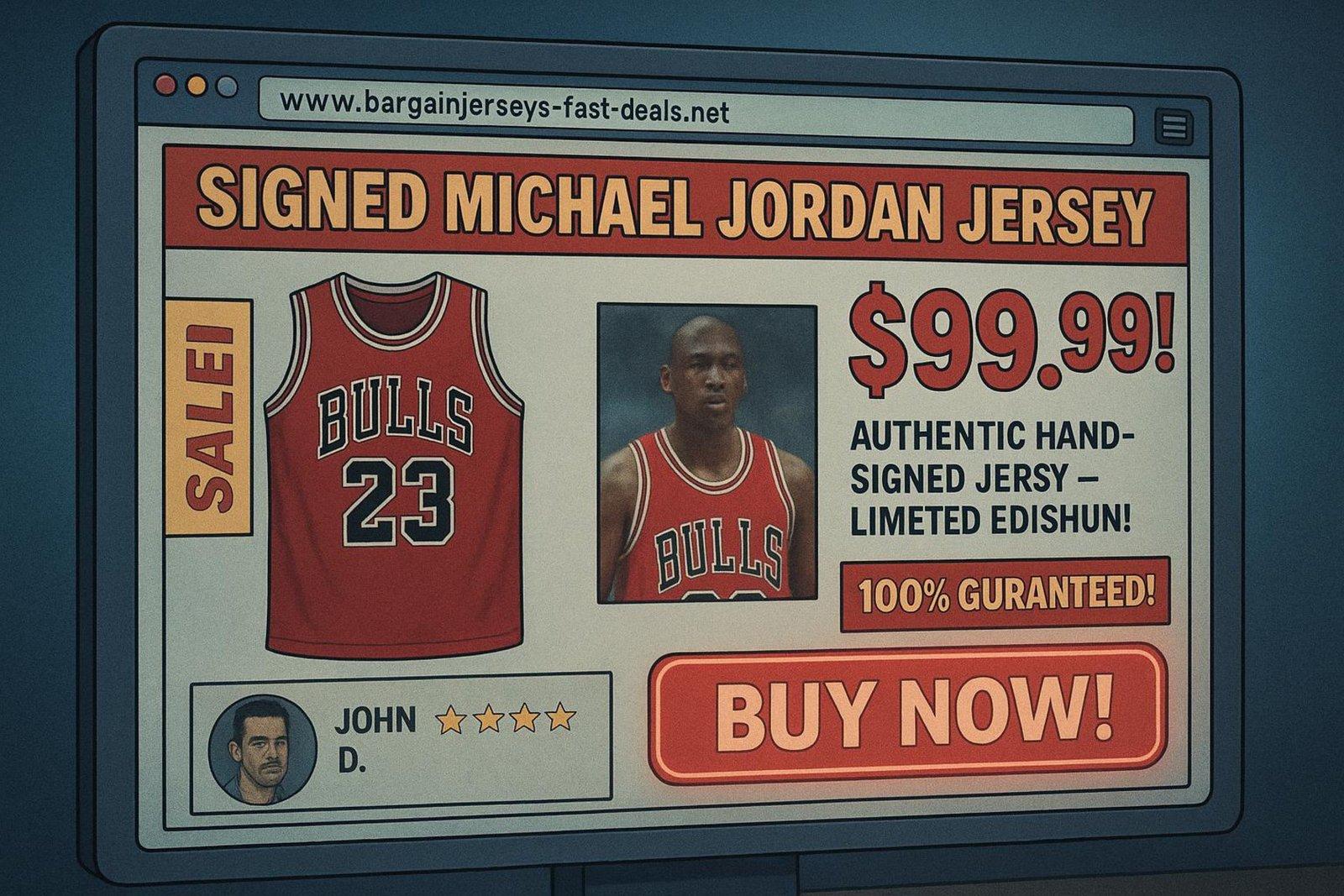
Price is often the biggest warning sign. If you see a “signed Michael Jordan jersey” for $100, it is almost certainly fake. Trusted dealers and authenticators know what items are worth. Before you buy, look at recent auction results for similar items that have been professionally authenticated. If a deal seems unreal, it is a strong sign the seller is trying to dump a counterfeit item quickly.
Lack of Contact Information or Incomplete Listings
Legitimate businesses make it easy to reach them. A real online store will have an “About Us” page, a physical address, and a working customer service phone number or email. Be careful with marketplace sellers who have very few reviews, no return policy, or vague wording like “authentic style” instead of “officially licensed.”
Fake Certificates and Forged Signatures
Many counterfeiters fake both signatures and COAs. Always check the COA serial number on the authenticator’s official website (such as PSA or JSA). If the site says “number not found” or shows a different item, walk away. Also watch for signatures that look shaky, heavily traced, or “drawn” slowly instead of written in one smooth motion.
Misleading Product Descriptions and Photos
Scammers often use stock photos from official sites to show the item for sale. Always ask for “tagged” photos-pictures of the actual item with a piece of paper that shows the seller’s username and the current date. This proves the seller really has the item. Also pay attention to terms like “reprint” or “facsimile signature,” which mean the signature is just a copy, not hand-signed.
Top Places to Buy Genuine Sports Merchandise Online
Official Team Stores and Leagues
The safest option is to buy directly from official sources. Websites like NFLShop.com, MLB.com, and the NBA Store are main hubs for licensed gear. You might pay full price, but you are guaranteed a 100% real product. These sites also run sales throughout the year, making them strong choices for fans who want certainty.
Authorized Retailers and Specialty Sports Shops
Companies like Fanatics, Steiner Sports, and Gametime Vintage are known for selling genuine, certified merchandise. Fanatics, in particular, has exclusive deals with many major athletes for their signed items. Specialty shops usually offer their own strong authentication processes or work directly with well-known third-party authenticators so every item they sell is real.
Trustworthy Online Marketplaces and Auction Sites
Marketplaces like eBay and Etsy can be good sources, but they require extra care. Look for sellers with high feedback ratings, clear photos, and a long history of selling sports items. Online auction houses such as Heritage Auctions or SCP Auctions work better for rare and high-value pieces, since they often use in-house experts to check each item before selling it.
What Factors Should You Consider Before Purchasing?
Evaluating Seller Reputation and Reviews
Before you click “buy,” spend a few minutes checking the seller. Look for reviews on independent sites like Trustpilot or in collector forums. A seller who has been around for years and has a record of fixing problems is usually far safer than a brand-new account with only a handful of glowing, unverified reviews.
Understanding Return and Refund Policies
Always read the return policy. A trustworthy seller should allow returns if a respected third party finds the item to be fake. If a seller says “all sales final” or “no returns,” you are taking on extra risk. Many credit cards and payment services like PayPal also offer buyer protection, which can save you if you unknowingly buy a counterfeit.
Costs of Shipping, Taxes, and Duties
For international orders, the listed price may not be the final amount you pay. Add in shipping, insurance (especially for expensive collectibles), and any import taxes or duties. For high-value items, paying more for tracked and insured shipping is usually a smart move so the item arrives safely and you are covered if it gets lost or damaged.
Availability of Customer Service or Buyer Protection
Check if the site offers live chat or responds quickly to emails. Direct contact with a seller can help you judge how reliable they are. When using marketplaces, always pay through the platform. Sellers who push you to use “Friends and Family” payments or bank transfers are often trying to dodge buyer protection programs, which is a major warning sign.
Frequently Asked Questions about Choosing Authentic Sports Merchandise Online
Should You Trust Third-Party Authenticators?
Yes, but stay with the main names: PSA/DNA, JSA, and Beckett. No system is perfect, but these companies have strong standards and respected databases. They often offer money-back guarantees and their certification usually boosts the resale value of an item.
Are Replica Jerseys Considered Authentic?
Yes, as long as they are “officially licensed replica jerseys.” A replica is simply a fan version, usually made with different materials to keep costs lower and comfort higher. As long as it carries the official league tags and holograms, it is a real product and not a fake.
What Rights Do You Have If You Receive Counterfeit Goods?
If you find out your item is fake, contact the seller and ask for a refund. If they refuse, open a dispute with your credit card company or PayPal. Most major marketplaces offer “Authenticity Guarantees” and will step in and refund your money if the item is proven fake. Also report the seller to the platform so other buyers are less likely to be scammed.
Key Takeaways for Confident Online Shopping
Building a sports memorabilia collection is a journey that mixes passion with careful checking. As your collection grows, think about long-term care. Buying UV-protected display cases or archival-quality frames can keep autographs from fading and stop jerseys from breaking down over time. This keeps your fan space looking sharp and also protects the value of your collection in the future.
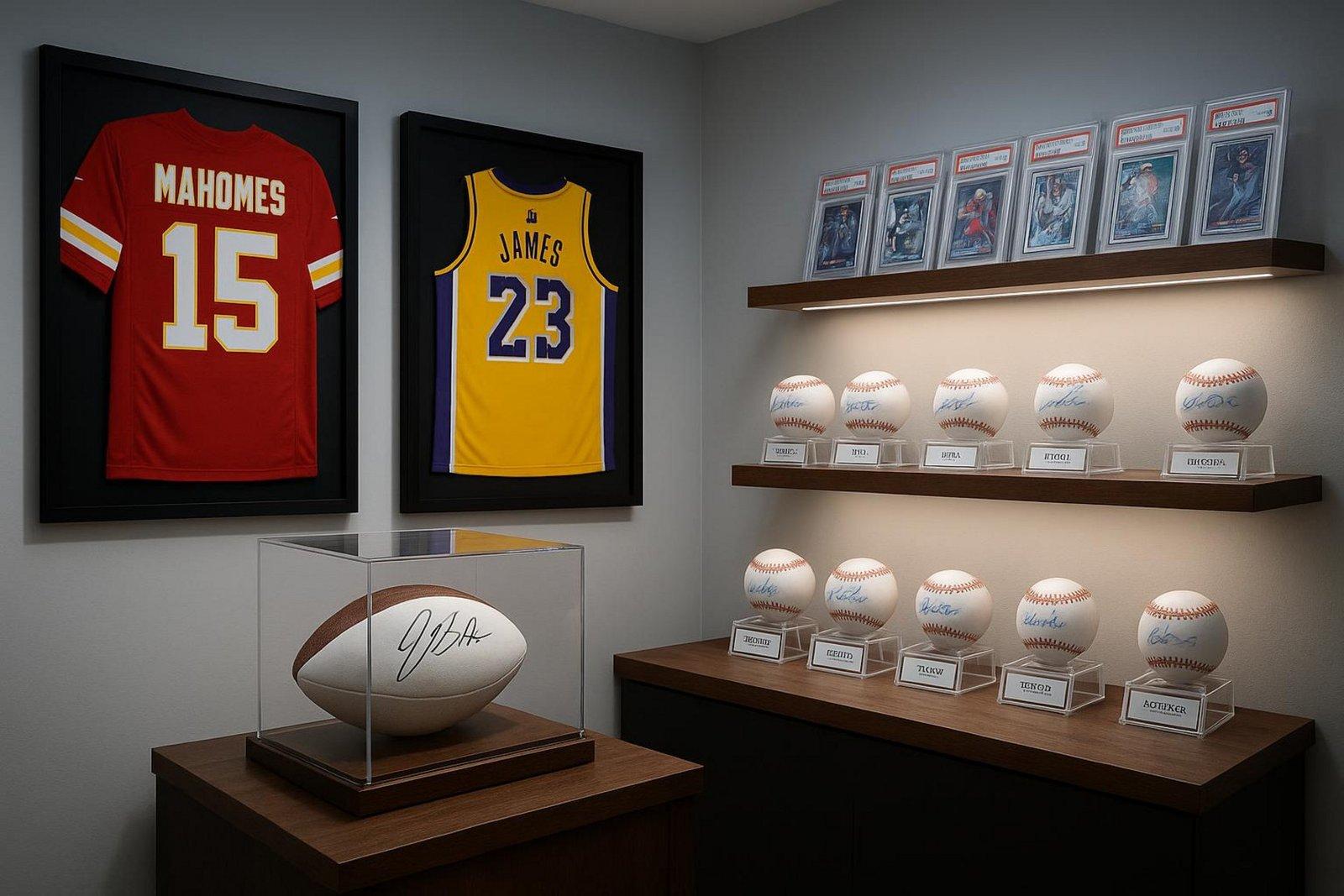
Keep an eye on market trends as well. Items tied to a player entering the Hall of Fame or a team winning a championship often see a spike in demand and in fake copies. By staying informed and sticking with trusted sources, you can feel confident that every piece you own is a real part of sports history. Happy collecting, and may your items always be as genuine as your support for your team!