


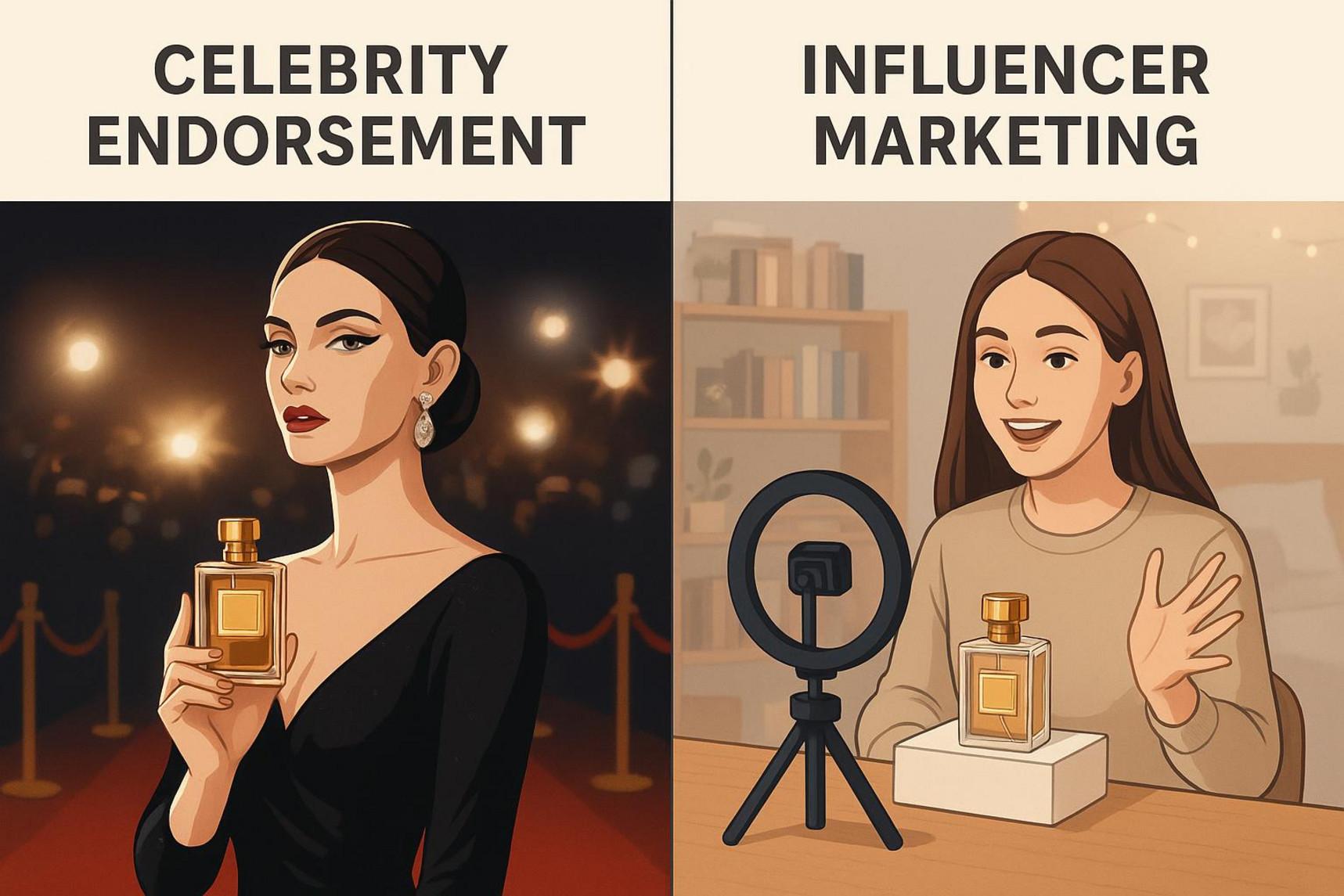
The future of influencer marketing in global digital campaigns is marked by a clear move away from vanity metrics and toward scalable performance, precise AI support, and a shift from “influencer-as-reach” to “creator-as-advisor.”
By 2026, influencer marketing has grown into a $32 billion industry where brands see creators not as digital billboards, but as key partners who connect global brand identity with local culture. This change is driven by a creator economy worth about $250 billion, where success is judged by strong community involvement and measurable ROI instead of raw follower numbers.
As we move through this new landscape, combining advanced technology with human storytelling has become the standard. Global campaigns now use detailed data funnels and AI discovery tools so each partnership is based on topic relevance, not just broad demographics.
This creates a more honest, open, and effective system that lets brands keep a unified global voice while speaking clearly to many different audiences around the world.
What Is Influencer Marketing in Global Digital Campaigns?
Contents
- What Is Influencer Marketing in Global Digital Campaigns?
- How Has Influencer Marketing Evolved Across International Markets?
- Who Are the Main Types of Influencers in Global Campaigns?
- What Are the Benefits of Influencer Marketing for Global Brands?
- What Are the Challenges and Risks of Influencer Marketing on a Global Scale?
- How Can Brands Build Effective Influencer Campaigns Internationally?
- Influencer Marketing Success Stories from Global Campaigns
- Which Trends Will Shape the Future of Influencer Marketing?
- How Will Global Influencer Marketing Transform Digital Campaigns in the Coming Years?
- What Questions Do Brands Frequently Ask About the Future of Influencer Marketing?
Defining Influencer Marketing
Influencer marketing is a planned partnership between a brand and a content creator who has proven credibility and a loyal audience in a specific niche. Traditional ads send messages directly from brand to consumer, but influencer marketing uses the creator as the channel. The creator sparks interest and passes their hard-won trust to the brand. It is a data-backed approach that plays a key role in boosting awareness and driving emotional buying decisions.
For global campaigns, this means managing these partnerships across many countries and languages. Brands must protect a central brand story while letting creators adjust that story for their own cultures. Today, influencers act as growth partners, helping brands work with culture and handle the modern digital marketplace.
Key Roles Influencers Play in Global Digital Strategies
Influencers act as a bridge between a company and its ideal customers. They shape discovery, build trust, and sway purchase decisions much faster than traditional media. In global strategies, they work as local brand ambassadors who understand the needs, fears, and hopes of people in their region. By weaving products naturally into their content, they make brand messages feel like personal tips instead of annoying ads.
Creators are also taking on more advisory roles. Brands now involve influencers earlier-during research, product design, and messaging stages-to get direct feedback. This “creator-as-counsel” approach helps brands shape campaigns that match audience expectations before launch.
How Influencer Marketing Differs from Traditional Celebrity Endorsements
Celebrity endorsements focus on broad visibility and fame, while influencer marketing focuses on relatability, expertise in a niche, and constant interaction. Celebrities bring wide reach, but influencers usually offer deeper engagement than traditional stars. Studies show that 92% of consumers trust influencers more than standard brand ads because creators talk with their communities daily.
Influencer partnerships are also usually more cost-effective and targeted. A major celebrity might front a global campaign, but a group of micro-influencers can deliver better conversion by speaking to very specific interests. The focus has moved from pure “aspiration” to “inspiration,” where people follow a creator for their point of view and honesty, not just their looks or status.
How Has Influencer Marketing Evolved Across International Markets?
Milestones in Global Influencer Marketing
This story starts with early 2000s blogging, when everyday people first built loyal online communities. These early creators, who did not fit into old media, built the money-making models that fuel the industry today. By 2013, “selfie” was the word of the year, showing the rise of visual networks. The pandemic was a major turning point: as life moved online, it became clear that influencers were leading digital culture.
By 2025 and 2026, the industry had become far more professional. It has moved from simple product gifting and one-off paid posts to long-term, strategic partnerships. Influencer marketing is now a core part of digital strategy, with budgets expected to pass $32 billion and growing focus on performance that can scale.
Impact of Social Media Platforms Worldwide
Each platform plays a different role in global influencer work. Instagram and TikTok are still the main spaces for short videos and viral moments, while YouTube remains strong for long, detailed content and tutorials. LinkedIn has grown as a powerful space for B2B influencer activity, showing that influence covers more than fashion or lifestyle.
Platform algorithms have also shaped this field. Algorithms are getting more focused, rewarding content that keeps users watching by solving real problems. Brands have been pushed away from “one-size-fits-all” posts and toward strategies customized for each platform, based on how people behave there.
Variation in Influencer Strategies by Region
Global brands must accept that what works in New York might fail in Mumbai or Tokyo. Successful worldwide outreach needs a solid grasp of ethnic marketing so that messages respect local culture and feel relevant. This means choosing influencers who speak the local language and truly reflect the values and norms of their communities.
In some areas, live-stream shopping is the main sales engine; in others, long-form blogs still matter for SEO and steady traffic. Brands that do well internationally give local creators real control, so the global message is turned into a local story that fits the cultural identity of each group they want to reach.
Who Are the Main Types of Influencers in Global Campaigns?
Mega, Macro, Micro, and Nano Influencers: Definitions and Reach
Influencers are usually grouped by follower count and how they interact with their audience:
- Mega-influencers (1M+ followers): Often celebrities, offering huge reach and brand visibility.
- Macro-influencers (100k-1M): Often experts or full-time creators, balancing wide reach with subject authority.
- Micro-influencers (10k-100k): Seen as the sweet spot for many brands, with high trust and strong engagement in focused communities.
- Nano-influencers (<10k): Small audiences but very personal and trusted connections, with powerful word-of-mouth impact.
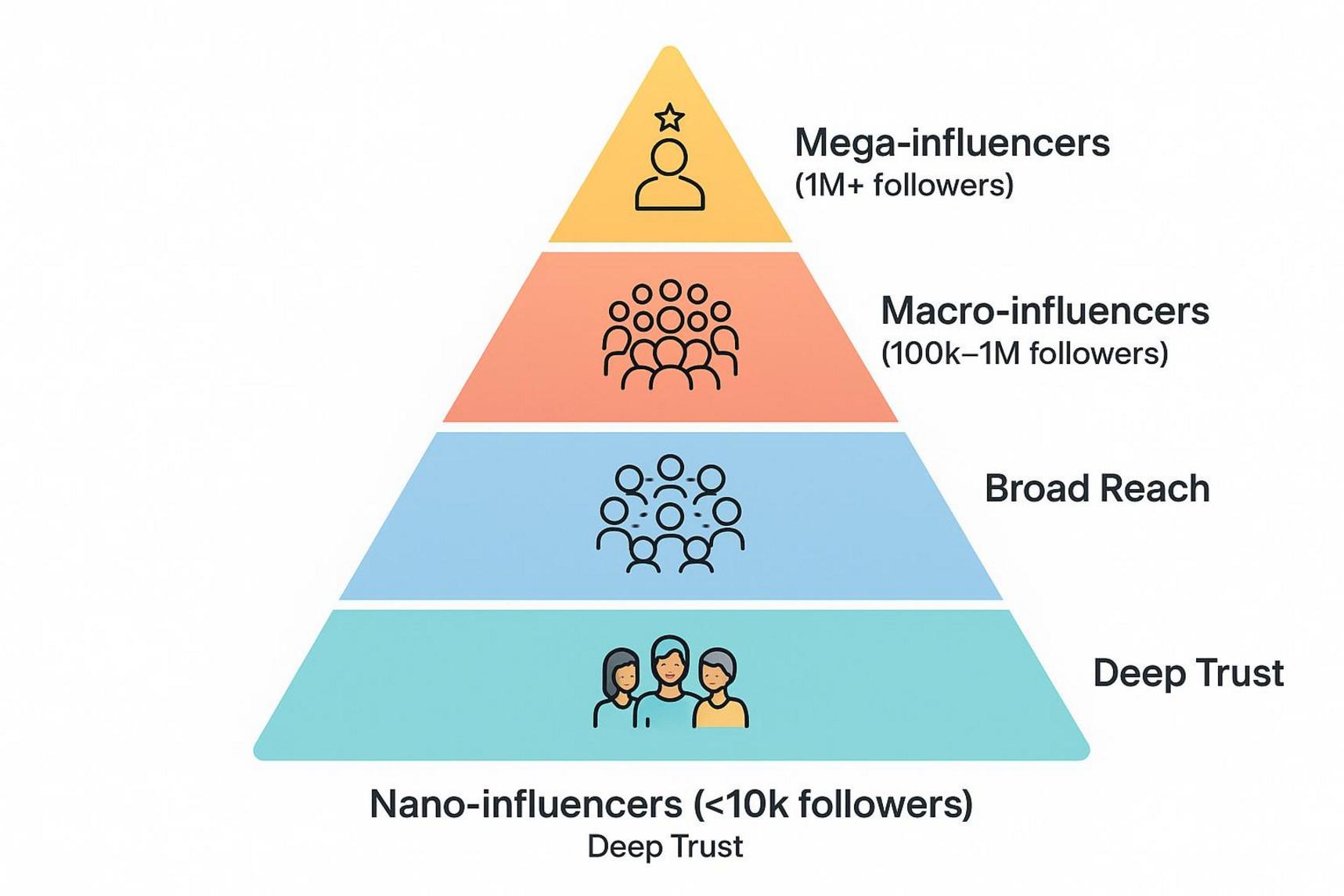
Many strong global strategies mix these tiers: mega-influencers build broad buzz, while micro and nano-influencers turn that attention into real sales and deep trust inside communities.
Rise of Virtual and AI-Powered Influencers
A new area is the rise of virtual creators-digital characters built with AI and 3D tools. Brands like L’Oreal have paired AI-driven ambassadors with human influencers to run scalable and engaging campaigns. These digital figures give brands full control of messaging, constant availability, and the ability to post local content without physical limits.
Some observers, like Taylor Lorenz, believe AI influencers might fade because they lack human warmth and trust. Others see them as a useful tool for steady, consistent presence. When brands are open about these influencers being digital, audiences often enjoy the creativity and storytelling. They mix tech and imagination in new ways to represent brands.
Expert and Niche Voices in International Outreach
Beyond audience size, there is a clear rise in expert voices-people who may have modest followings but strong authority in areas like bio-hacking, eco-friendly fashion, or fintech. These niche leaders are very helpful in global work because they bring instant credibility in specialized markets.
Brands are now putting topic relevance ahead of basic demographics. Instead of asking for “a woman, 25-34, in London,” they ask for “the key voice in urban gardening.” This helps match the influencer’s promise with the product’s benefits, driving better quality traffic and long-term returns.
What Are the Benefits of Influencer Marketing for Global Brands?
Boosting Brand Awareness Across Borders
Influencer marketing helps brands enter new markets with built-in trust. When an influencer introduces a brand, it feels like a warm introduction from a friend. This is especially useful where traditional ads face doubt or cultural distance. Influencers expand reach into new and often overlooked groups by using their established presence.
Through viral hooks and relatable stories, influencers can create organic buzz that spreads well beyond their own audience. The shareable nature of social media lets brand messages cross borders at a much lower cost than classic global ad buys.
Driving Audience Engagement and Trust
Trust drives the creator economy. Because influencers talk regularly with their followers, they build a sense of community that brands struggle to match. About 64% of consumers say they are more willing to buy when a brand works with their favorite influencer. This trust leads to higher engagement-likes, comments, shares-which algorithms reward with more reach.
Honesty sits at the center of that trust. When influencers share real opinions or show behind-the-scenes use of a product, it feels sincere. This openness builds the brand’s reliability, making people more open to the message and more likely to stick with the brand over time.
Targeted Messaging for Culturally Distinct Audiences
For global brands, one of the biggest gains is the ability to reach very specific groups. Influencers serve focused audiences based on interests, age, location, and values. This helps brands spend their budgets wisely and reach people who are most likely to care.
This targeted work matters a lot for handling cultural differences. Local influencers know what jokes, images, or themes will land well-or offend. When they adjust the brand’s message to fit local culture, brands avoid clumsy, tone-deaf campaigns and build stronger ties with different communities.
Improving Conversions and ROI in Digital Campaigns
Influencer marketing has grown from a pure awareness play into a strong performance channel. On average, brands earn about $5.78 for every $1 spent, and the best campaigns can bring $18-$20 per dollar. With real, trust-based messaging, influencers often beat traditional ads on click-through rates.
Using unique discount codes, tracking links, and dedicated landing pages, brands can now connect influencer content directly to sales. While tracking is not always perfect-some users see a post and later search the brand on their own-the total effect on revenue is clear, making influencer work a standard part of modern marketing plans.
What Are the Challenges and Risks of Influencer Marketing on a Global Scale?
Measuring Success and ROI Across Different Markets
Even with strong potential returns, about 79% of marketers still find it hard to measure influencer ROI correctly. Global work adds another layer of difficulty: currency changes, platform differences, and varied buying paths make one single measurement system hard to use. Many brands waste budget by chasing vanity numbers like likes instead of deeper metrics such as session length or conversion rates.
To solve this, brands need funnels built around influencer traffic instead of forcing creators into old systems. This can include simpler attribution models and an acceptance that 10-25% of influencer-driven sales may show up later through search or direct visits. For comprehensive guides on optimizing these marketing funnels, you can refer to the resources at https://all4comms.com/.
Adhering to Diverse Regulatory and Disclosure Requirements
The legal side of global influencer work is a major hurdle. Each country has its own rules about how paid content must be labeled. In the U.S., the FTC requires clear tags like #ad or #sponsored; other countries may have tighter or less clear rules. Breaking these rules can lead to large fines and harm to brand reputation.
Brands must make sure their global partners know and follow local laws. This calls for clear contracts and steady checks so every piece of content is honest about sponsorship and meets local standards.
Maintaining Authenticity and Preventing Misinformation
As the industry grows, fake or forced content becomes a bigger risk. Audiences are quicker to spot stiff, insincere endorsements. If an influencer backs a product they clearly do not use or trust, it can damage both the creator and the brand and waste money. There is also a risk that influencers may unintentionally share wrong or exaggerated claims about products.
To keep things real, brands must allow some creative freedom. Over-scripted posts that ignore the creator’s usual style often fail. Brands need to balance basic guidelines with space for the creator’s own voice.
On a global stage, cultural mistakes are easy to make. Old posts or personal views of an influencer can suddenly become a problem if they offend certain groups. Social media spreads these issues quickly, so one misstep can become global news within minutes.
Brands should run thorough background checks on influencers, looking at long-term content history and public image, not just recent stats. This kind of brand safety review helps confirm that a creator’s values truly match the brand’s stance across regions.
How Can Brands Build Effective Influencer Campaigns Internationally?
Identifying the Right Influencer for Each Market
Choosing influencers must be careful and data-driven. Brands should look beyond follower counts and study how often creators spark viral content, how their audience reacts, and how closely the creator’s promise matches the product. AI tools can now scan huge creator lists based on the exact type of content a brand wants.
Brands should also think about the influencer tier. Mega-influencers offer wide exposure, but micro-influencers often bring better results in specific global niches because of stronger engagement and local trust. The right influencer is the one who can speak the cultural language of the target market clearly and naturally.
Setting Clear Campaign Goals Aligned Globally
Strong global campaigns start with shared goals for everyone involved. Whether the target is awareness, traffic, or direct sales, these KPIs need to be clear and measurable. At the same time, local teams and creators need room to adapt how they reach these targets.
Clear goals help keep the brand and influencers on the same page. They also make it easier to track results and make changes on the fly based on which markets or creators are working best.
Creating Authentic, Localized Partnerships
The most impactful campaigns feel like real collaborations, not quick transactions. That means forming long-term relationships and seeing creators as growth partners. Brands should work with influencers on ideas and concepts, letting them show the product in ways that fit their normal content and daily routines.
Localization is more than just translation. It involves adapting hooks, visuals, and even product uses to fit local habits. A skincare brand, for example, might stress sun protection in one region and deep hydration in another, based on weather and local beauty ideals.
Leveraging Data and Technology to Optimize Performance
By 2026, technology forms the backbone of influencer marketing. AI helps brands analyze audience behavior, personalize messages, and choose posting times that work across time zones. Tools like Jasper and Descript help creators make better content faster, while analytics tools offer detailed views of what is working.
With this data, brands can spot which hooks and formats resonate with people and roll those out in other regions. This approach shifts influencer marketing from guesswork to a repeatable performance channel.
Influencer Marketing Success Stories from Global Campaigns
Domino’s India x CollabX
CollabX and Domino’s India ran a strong example of local performance marketing, reaching over 90 million users. Using a large group of food-focused micro-influencers and smart viral angles, the campaign hit a 10% engagement rate. With CPA-based optimization, it led to more than 320,000 direct orders in eight months, showing that influencers can deliver serious bottom-of-funnel results even in crowded markets.
Daniel Wellington’s International Strategy
Swedish watch brand Daniel Wellington helped popularize the micro-influencer model. The brand sent thousands of watches to micro-influencers worldwide and asked them to post with #DWpickoftheday. This approach created organic global buzz. The brand grew to over $200 million in revenue without classic ads, showing the strength of social proof and many small, honest endorsements.
Rhode by Hailey Bieber: Building Global Hype
Hailey Bieber grew her skincare brand Rhode into a $1 billion business by featuring it naturally in her own content and working with other tastemakers. The brand’s success comes from mixing aspirational stories with real, down-to-earth messaging. Rhode also expanded beyond social platforms by sponsoring high-profile newsletters like “Feed Me,” reaching people in their inboxes and spreading discovery across more channels.
Which Trends Will Shape the Future of Influencer Marketing?
AI and Automation in Influencer Discovery and Campaign Management
Acquisitions such as Publicis buying Captiv8 show how central AI has become. AI now scans millions of creators to find matches for a brand’s values and goals. Automation also cleans up difficult tasks like contracts, payments, and tracking, letting brands run global campaigns with thousands of creators at once.
Augmented Reality and Immersive Experiences
As more digital spaces become immersive, influencers will help brands move into AR and metaverse-style environments. Virtual try-ons and interactive 3D demos will become common, letting influencers show products in action rather than just talking about them. This kind of content makes product exploration more engaging and narrows the gap between online discovery and offline purchase.
Long-Term Partnerships and Community Building
Short, one-off paid posts are fading. Brands are putting money into long-term deals that turn creators into true brand advocates. That leads to richer stories and consistent messaging over time. More creators are also building their own community spaces-like Substack newsletters or private Discord groups-where brands can talk to audiences more closely and build stronger loyalty.
Diversification Beyond Social Media Platforms
Influencer marketing is expanding beyond social feeds. Around 80% of consumers say they are more likely to buy from brands that work with creators on things like events, brand trips, or multi-channel ad campaigns. Influencers are stepping into roles once limited to celebrities, appearing in TV ads and on billboards, showing that their influence now reaches mainstream media.
Influencer Career Development and Professionalization
“Influencer Marketing Manager” is now among the top roles marketing leaders are hiring for. As the field professionalizes, creators are becoming more business-minded, often acting as consultants and creative directors. With this career path growing, more specialized agencies and training programs will appear to help both brands and creators master this work.
How Will Global Influencer Marketing Transform Digital Campaigns in the Coming Years?
Over the next few years, global influencer marketing will fully grow into a standard performance channel. The line between classic marketing and social-driven marketing will blur until it disappears. Instead of separate “social media” and “marketing” budgets, brands will follow one integrated plan with creators at the center of ideas and distribution. Money once set aside for traditional R&D and trend studies will move into creator partnerships, as these partners are closest to real-time human desires.
Focus will move completely from reach to relevance. As algorithms get smarter, the real advantage will be finding the right voice for each specific audience segment. Marketing will become more fragmented but also more efficient, with brands building groups of loyal advocates who create ongoing growth through honest, community-led storytelling. The future is not about replacing humans with AI, but about using AI to help humans form deeper, more meaningful connections across borders.
What Questions Do Brands Frequently Ask About the Future of Influencer Marketing?
How Do You Choose Influencers for Different Countries?
Choosing influencers for different countries requires a local-first approach. Brands should look at audience fit, content quality, and cultural match before they look at follower counts. Working with local agencies or using AI tools that read regional sentiment and language details can be very helpful. The aim is to find creators who naturally fit the brand’s niche inside that culture.
What Is the Role of AI in Global Influencer Campaigns?
AI supports both creators and brands. For creators, AI helps with content production, editing, and managing workload. For brands, AI is key for finding influencers, forecasting results, and improving campaigns across many platforms. While AI-only influencers are growing as a niche, the main use of AI stays behind the scenes-making campaigns smoother, smarter, and more data-led.
Do Micro Influencers Drive Results Internationally?
Yes. In many situations, micro-influencers bring better results than big stars because their audiences are more involved and trust their opinions more. For global brands, a wide network of micro-influencers in many countries can build a strong wave of organic buzz that feels real, not corporate. They play a major role in building communities and focused growth.
How Should Success Be Measured in Multinational Influencer Campaigns?
Brands should track both brand-building and performance metrics. Reach and impressions matter for awareness, but engagement, clicks, and conversions matter more for results. Localized tracking links and promo codes help show which countries and creators perform best. ROI should guide decisions, but brands should also value the cultural influence and long-term trust that influencers build over time.
Conclusion: Embracing the Human Element in a Digital Future
Looking at the rest of 2026 and beyond, the most valuable asset in marketing is the ability to disconnect from screens and meet in real life. This shift actually strengthens influencers. As people become more careful about how they spend time online, they will listen only to creators they truly trust. Modern word-of-mouth is moving toward in-person events, community panels, and long-term advocacy. Brands that succeed will treat influencers as partners in shaping a future where real voices, honest stories, and human perspective guide how and why people buy.