



Open almost any popular mobile app today, and you’ll notice the same expectation at work: information should be current. People want to see where their food is, when their ride will arrive, whether a payment has gone through, or how a market is moving without waiting for a manual refresh. In many cases, users don’t even think about the technology behind these experiences anymore. They simply expect apps to reflect what’s happening in real time. What began as a differentiator for a handful of innovative platforms has evolved into a standard expectation across industries. Businesses that fail to deliver timely information increasingly risk losing users to competitors that can.
What Is Real-Time Data?
Contents
- What Is Real-Time Data?
- How Real-Time Data Works Behind the Scenes
- Real-World Examples of Real-Time Data in Action
- The Business Value of Real-Time Experiences
- Why Accuracy Matters More Than Speed
- The Challenges Behind Real-Time Applications
- What Comes Next?
- Why Real-Time Data Is Now a Core Expectation in Mobile Apps
Real-time data refers to information that is captured, processed, and delivered with minimal delay. Rather than relying on scheduled refreshes, applications can react to events as they happen.
This allows users to see current information, whether they’re tracking a delivery, monitoring a payment, receiving a message, or following changes in a financial market.

How Real-Time Data Works Behind the Scenes
Most users never think about what happens between tapping a screen and receiving updated information. Behind the scenes, however, a complex network of technologies is constantly exchanging data.
Many mobile applications rely on WebSockets, which create persistent connections between devices and servers. Instead of repeatedly requesting information, the app remains connected and receives updates as soon as new data becomes available.
Push notifications provide another layer of communication. Banks use them to alert customers about transactions, retailers use them to announce order updates, and messaging platforms use them to notify users about new conversations.
Cloud infrastructure also plays an important role. Services must process massive volumes of information while maintaining low latency across different regions and devices. Cloud infrastructure in the form of real-time databases, distributed computing systems, and content delivery networks helps make this possible.
The result is an experience that feels effortless to the user, even though thousands of data exchanges may be taking place every minute.
Real-World Examples of Real-Time Data in Action
Some of the world’s most successful mobile applications would struggle to function without real-time infrastructure.
Uber and Google Maps continuously process location and traffic information to calculate routes, estimate arrival times, and respond to changing road conditions. Without live updates, navigation accuracy would quickly deteriorate, particularly in busy urban environments.
Messaging platforms such as WhatsApp depend on instant communication, while delivery services like DoorDash use live tracking to provide visibility throughout the ordering process. These updates reduce uncertainty and give users greater confidence in the service.
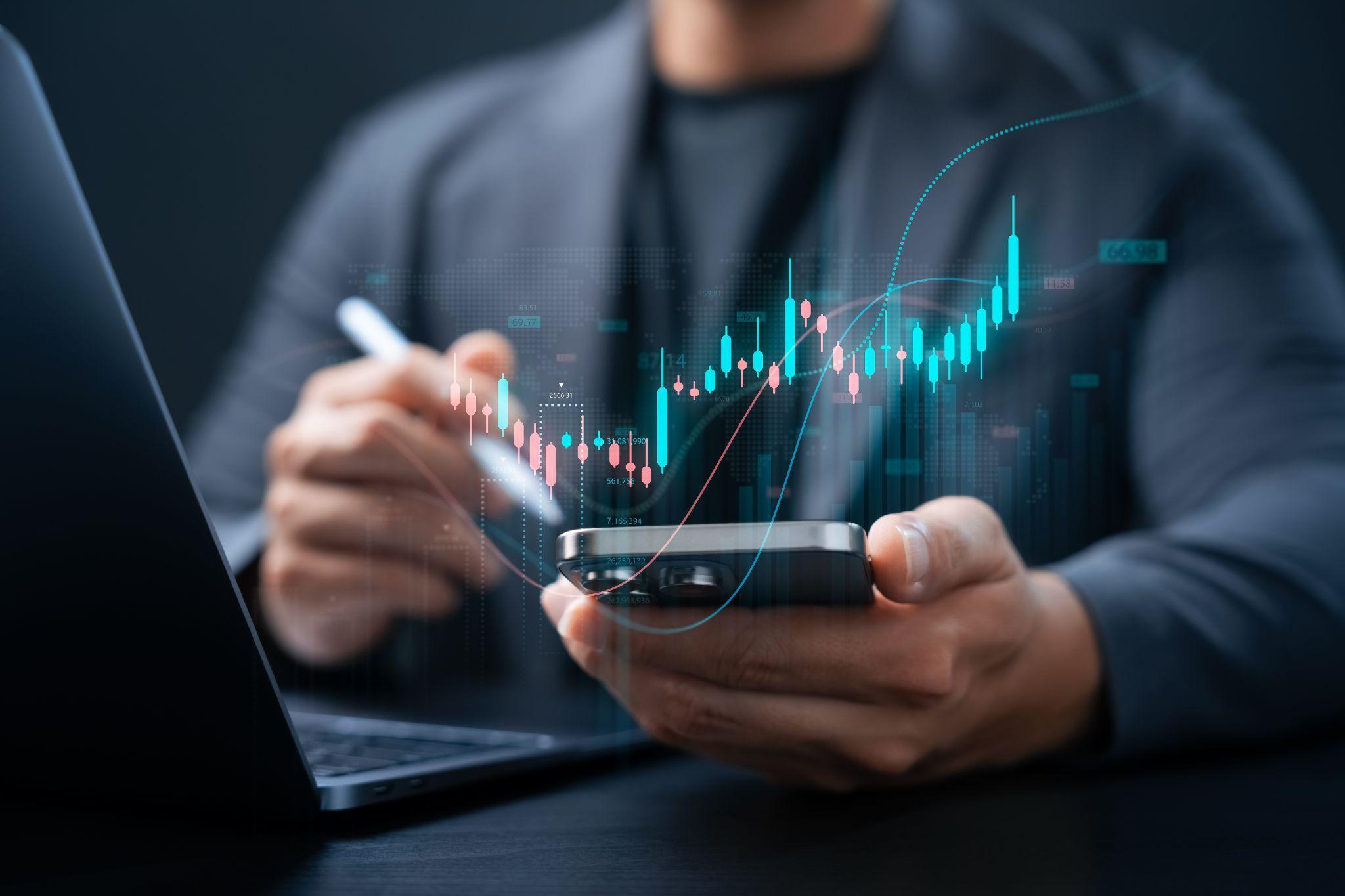
Financial applications provide another clear example. Many investors rely on a trading app to monitor price movements, receive market alerts, and track open positions in real time. Access to live pricing and instant order confirmations helps users respond more effectively to changing market conditions, particularly during periods of increased volatility.
The Business Value of Real-Time Experiences
Businesses often invest in real-time capabilities because customers expect them, but the commercial benefits extend far beyond convenience.
Accurate information reduces friction throughout the customer journey. Live inventory updates help prevent purchasing issues, delivery tracking reduces support requests, and instant payment confirmations reassure customers after a transaction.
Real-time systems also create opportunities for better personalization. Applications can respond to a person’s current activity, location, or behavior instead of relying solely on historical information.
Most organizations don’t aim to make every feature update continuously; the goal is to ensure the right information reaches the right person at the moment it matters most.
Why Accuracy Matters More Than Speed
Fast updates are valuable, but speed alone is not enough. The quality of real-time information often determines whether users trust an application over the long term.
For example, a navigation app that shows an incorrect route or a delivery platform displaying outdated order status can create frustration even if updates arrive instantly. In financial services, inaccurate pricing or delayed confirmations can affect decision-making and reduce confidence in the platform.
The most successful mobile applications focus on both speed and accuracy. Delivering reliable information at the right moment helps create experiences that users can depend on, which is ultimately what drives engagement and loyalty.
The Challenges Behind Real-Time Applications
Real-time applications face several challenges.
Battery consumption is a prime issue, particularly when applications rely heavily on location services or frequent background activity.
Privacy is also a concern, as users only accept data sharing when there is clear value. such as tracking a delivery or receiving fraud alerts. They are often less enthusiastic about unnecessary monitoring.
Scaling real-time systems increases infrastructure costs, requiring robust cloud and server support. Above all, accuracy is critical, as incorrect or outdated information quickly undermines user trust.
What Comes Next?
The demand for real-time experiences is unlikely to slow down.
The rollout of 5G networks, advances in edge computing, and improvements in cloud infrastructure are reducing latency and making live data more accessible than ever. At the same time, artificial intelligence is enabling applications to react to information more intelligently.
Many mobile apps are already moving beyond simply reporting what is happening. Navigation platforms suggest routes before a journey begins, banking services can identify suspicious activity almost instantly, and retail apps increasingly adapt recommendations based on live behavior.
As these technologies continue to mature, the gap between applications that operate in real time and those that do not will become even more noticeable.
Why Real-Time Data Is Now a Core Expectation in Mobile Apps
Real-time data has become essential because it aligns with how people interact with technology today. Users expect mobile apps to reflect reality as it changes, whether they are sending a message, tracking a delivery, checking an account balance, or following market activity. Businesses that invest in reliable real-time experiences are better positioned to build trust, improve engagement, and retain customers. In modern mobile applications, the ability to deliver the right information at the exact moment it matters is what makes real-time data indispensable.