


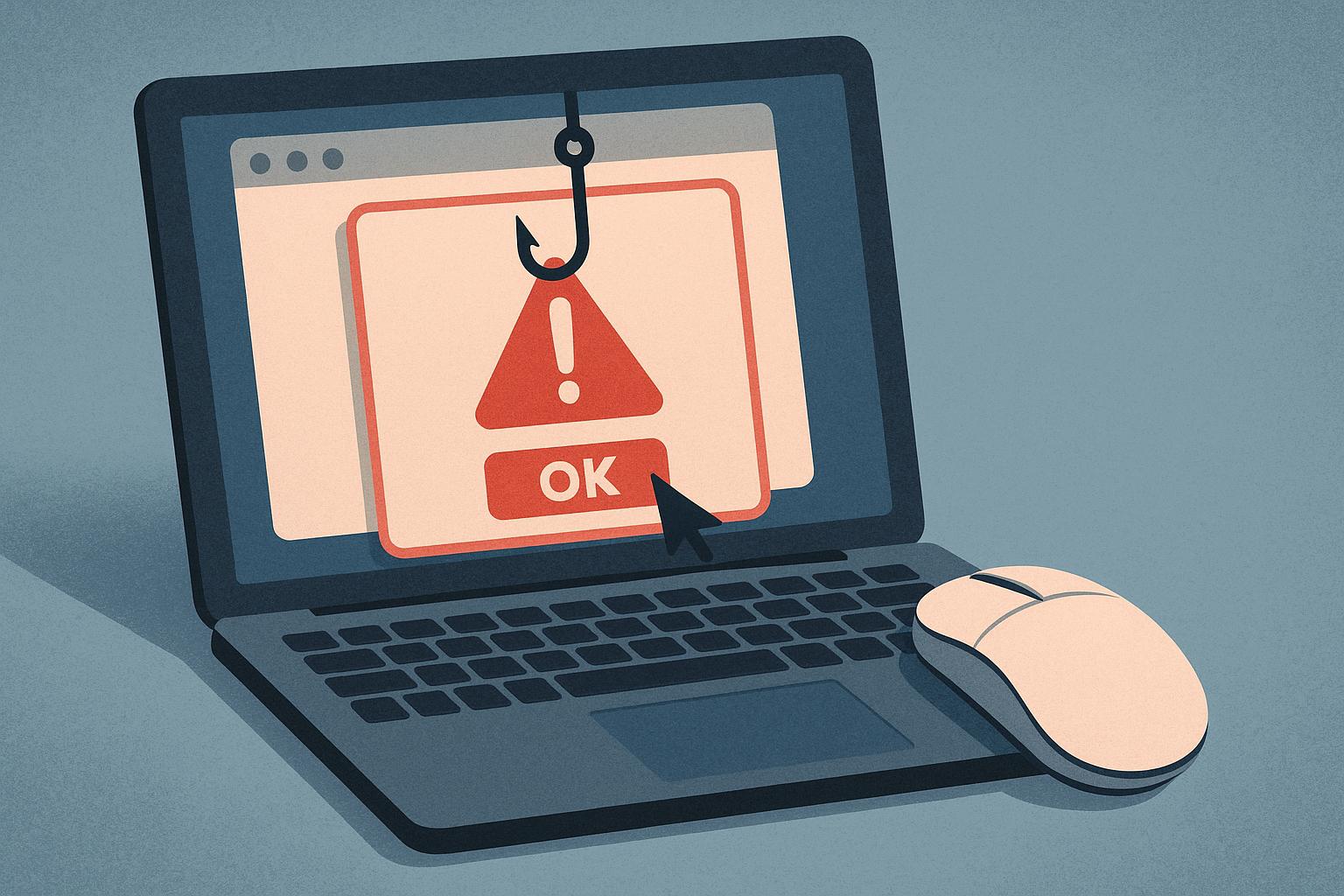
The internet has transformed the way we live. From shopping and banking to entertainment and travel, almost every aspect of our daily lives can now be managed with just a few clicks. While this convenience has made life easier, it has also encouraged a habit that many of us don’t even realize we’ve developed: making decisions online without doing enough research.
Years ago, consumers would spend time comparing products, reading reviews, and asking for recommendations before making a purchase. Today, the speed of the internet often encourages the opposite. We click the first result we see, sign up for unfamiliar platforms, and trust polished websites without taking a moment to verify whether they deserve our confidence.
Convenience is valuable, but it should never replace careful decision-making.
Why Convenience Can Lead to Poor Decisions
Contents
Modern websites are designed to remove friction. Fast-loading pages, one-click registrations, and personalized recommendations create a seamless experience that encourages users to act quickly. While this improves usability, it can also reduce the amount of thought we put into our decisions. Many people simply proceed because the website appears professional, instead of asking questions such as:
- Is this company reputable?
- What do other users think?
- Is my personal information protected?
- Does this platform have a proven track record?
Unfortunately, appearance alone tells us very little about the quality or trustworthiness of an online service.
Not Every Platform Deserves Your Trust
Whether you’re downloading software, opening a financial account, subscribing to a streaming service, or joining an online sportsbook, the same principle applies: research should always come before registration.
A few minutes spent checking independent reviews, company information, security measures, and user experiences can prevent disappointment and help you avoid unreliable platforms. This is particularly important in industries where there are hundreds of competing websites that may appear almost identical at first glance.
Why Comparison Websites Matter
Comparison websites have become increasingly valuable because they allow consumers to evaluate multiple services in one place rather than relying solely on a company’s own marketing. For example, anyone looking for an online sportsbook can benefit from using resources like dannybet.com, which compares sportsbooks and reviews them to help bettors identify reputable platforms, understand their features, and make more informed decisions before creating an account. Rather than simply choosing the first site that appears in a search engine, comparison resources provide an extra layer of research that can save both time and potential frustration.
The same approach applies across countless industries. Independent comparisons often reveal important differences that aren’t immediately obvious from a company’s homepage.
The Psychology Behind Careless Clicking
Part of the problem is that we’ve become conditioned to expect instant results. Search engines provide answers in seconds, social media rewards quick interactions, and online shopping encourages impulse purchases. Over time, these habits influence how we evaluate websites. It’s important to know that developing a healthy level of skepticism isn’t about becoming distrustful of every online platform. It’s about recognizing that thoughtful research remains one of the simplest ways to protect yourself online.
Building Better Online Habits
Improving your online decision-making doesn’t require hours of research. In most cases, a few simple steps can make a significant difference. Take a moment to read independent reviews, compare several providers instead of choosing the first option, check whether the business is transparent about its policies, and look for signs that other users have had positive long-term experiences.
These habits can help you make smarter choices regardless of whether you’re shopping online, selecting financial services, booking travel, or exploring entertainment platforms.