


In today’s business world, rigid, long-term plans are quickly becoming a thing of the past. The idea that you can map out a multi-year project and stick to it without any changes just isn’t realistic anymore.
Market conditions shift, new technologies pop up, and customer expectations evolve at a dizzying pace. To succeed, businesses need a more dynamic approach. Adopting flexible project solutions isn’t just about being able to adapt; it’s a key strategic advantage that helps companies thrive amid uncertainty and outpace their competitors.
This move from rigid to flexible thinking touches every part of a project, from the first steps of planning and budgeting to managing the team and the final execution. When you build flexibility into how you operate, you create a resilient organization that can pivot quickly, manage costs effectively, and empower its people to do their best work.
Adapting to Market Demands
Contents
The modern marketplace is always changing. What customers wanted six months ago might not be what they want today. A new competitor can enter the market and completely shake up the competitive landscape. For businesses stuck with inflexible project plans, these shifts can be disastrous, leading to wasted resources and failed initiatives. But a flexible project framework lets you react to these changes proactively.
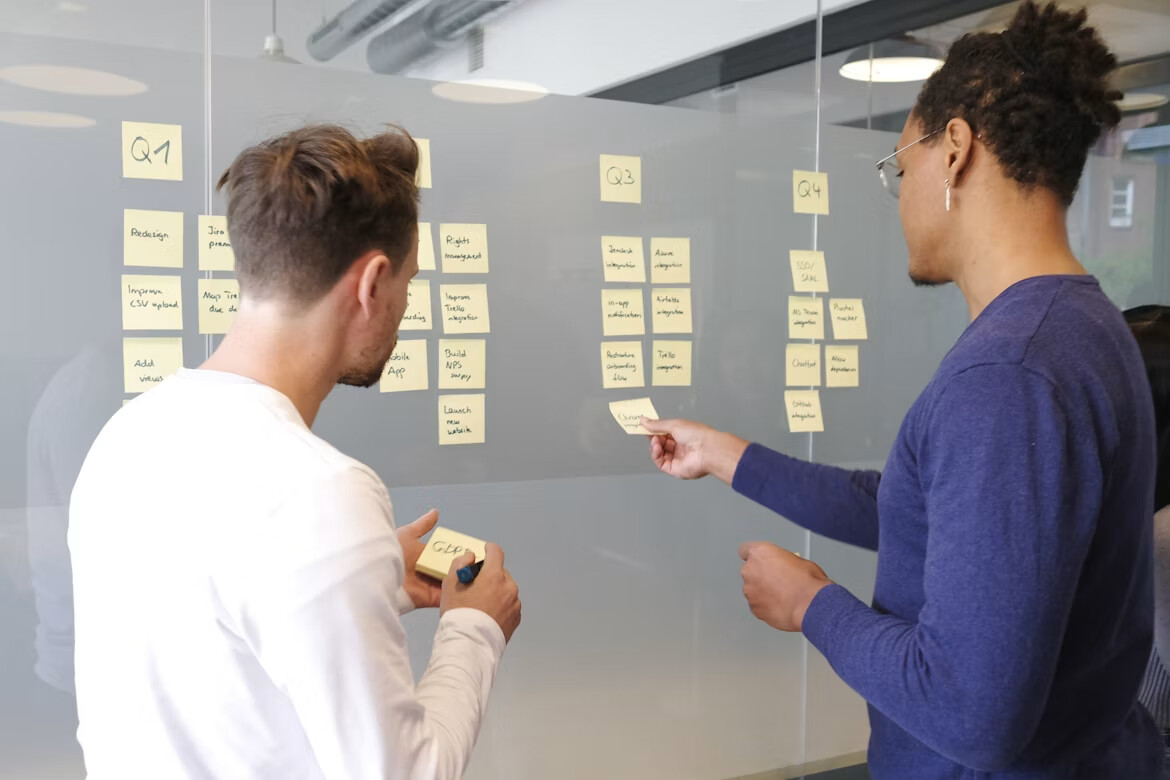
Imagine a company developing a new software application. A traditional, rigid approach would involve defining all features at the start and then spending months or years building them. If market needs change halfway through, the team faces a tough choice: stick to the outdated plan or start over. In contrast, an organization that values flexible planning in project management would build the product in smaller, iterative cycles. This lets the team gather customer feedback regularly and adjust the product roadmap as needed. If a new feature becomes a priority, the team can pivot without derailing the whole project.
This adaptability isn’t just for the tech world. A retail company might use flexible strategies to test new store layouts in a few locations before committing to a nationwide rollout. A manufacturer could adjust production lines to handle sudden changes in supply chain availability or demand for a specific product. By treating project plans as living documents rather than fixed contracts, businesses can make sure their efforts stay aligned with real-world market demands, boosting their chances of success.
Controlling Variable Project Expenses
One of the biggest challenges in any project is managing the budget. Unexpected costs can quickly get out of hand, turning a profitable venture into a financial drain. Flexible project solutions offer powerful ways to control these variable expenses, especially by shifting costs from capital expenditures (CapEx) to operational expenditures (OpEx).
Instead of making large, upfront investments in assets that might only be needed for a specific project phase, a flexible approach encourages using on-demand resources. This could mean hiring freelance specialists for a short-term task instead of a full-time employee, or using a subscription-based software service instead of buying a perpetual license. This model is particularly valuable for physical assets.
A construction company, for example, doesn’t need to own a specialized crane for a single three-week lift. Working with a rental service helps you get the exact equipment you need for the precise duration you need it, avoiding the massive costs of purchase, storage, insurance, and maintenance.
This strategy is a key part of using flexible budgets, which adjust based on activity levels rather than staying static. If a project expands, your operational costs might go up, but you haven’t tied up capital in idle assets. If a project is scaled back, you can quickly reduce your spending without being burdened by long-term commitments.
This pay-as-you-go model provides incredible financial agility, freeing up capital that can be invested in other growth areas of the business. It transforms your cost structure from a rigid liability into a dynamic tool for strategic resource allocation.
Empowering Teams with Modern Resources
A flexible project environment does more than just optimize budgets and timelines; it fundamentally changes how teams work together.
Traditional top-down management structures often stifle creativity and slow down decision-making. When every minor change needs multiple layers of approval, teams become disengaged and productivity suffers. Flexible methodologies, such as Agile and Scrum, empower teams by giving them the autonomy to manage their own workflows and adapt to challenges as they arise.
This empowerment is built on trust and transparency. Project leaders set the overall vision and goals, but they trust their teams to figure out the best way to achieve them. This approach fosters a sense of ownership and accountability, leading to higher morale and increased motivation.
When team members feel their expertise is valued and they have the freedom to innovate, they are more likely to identify creative solutions and go the extra mile to ensure a project’s success. The importance of flexibility in modern project management is that it enables teams to respond to real-time information.
Empowerment also means giving teams the modern resources they need to be effective. This includes access to collaborative software, communication tools, and the right physical equipment for the job. A flexible framework recognizes that resource needs can change throughout a project’s lifecycle. A team might need intensive data analysis tools at the beginning of a project and different user-testing software toward the end.
By providing on-demand access to these resources, you ensure that your team is never held back by a lack of an appropriate tool, allowing them to maintain momentum and focus on delivering value.
Agility in Business Operations
When you combine adapting to market demands, controlling expenses, and empowering teams, the result is true business agility, as seen in the organic fertilizer market from waste in Nairobi. Agility is more than just speed; it’s the ability to move quickly and easily, changing direction without losing momentum. An agile organization can seize opportunities that its slower, more bureaucratic competitors miss. It can also manage risks more effectively, spotting potential problems early and fixing them before they become major issues.
Building this agility requires a cultural shift. It means moving away from a culture of blame, where deviations from the plan are seen as failures, and toward a culture of learning, where every change is an opportunity to improve. This requires strong leadership and a commitment to continuous improvement at all levels of the organization. The future dynamics of project management are trending toward this model, where project managers act more like coaches and facilitators than commanders.
Ultimately, operational agility creates a more resilient and sustainable business. Companies that can effectively manage change are better equipped to weather economic downturns, navigate industry disruptions, and stay ahead of evolving customer expectations. Flexibility is no longer a “nice-to-have” quality; it is an essential characteristic of any modern, forward-thinking enterprise. By embedding these principles into your project solutions, you’re not just improving your project outcomes, you’re building a strategic advantage that will pay dividends for years to come.
Embracing flexibility is a continuous journey, not a final destination. By consistently evaluating your processes and empowering your teams, you can build a business that is not only prepared for the future but is actively shaping it.