


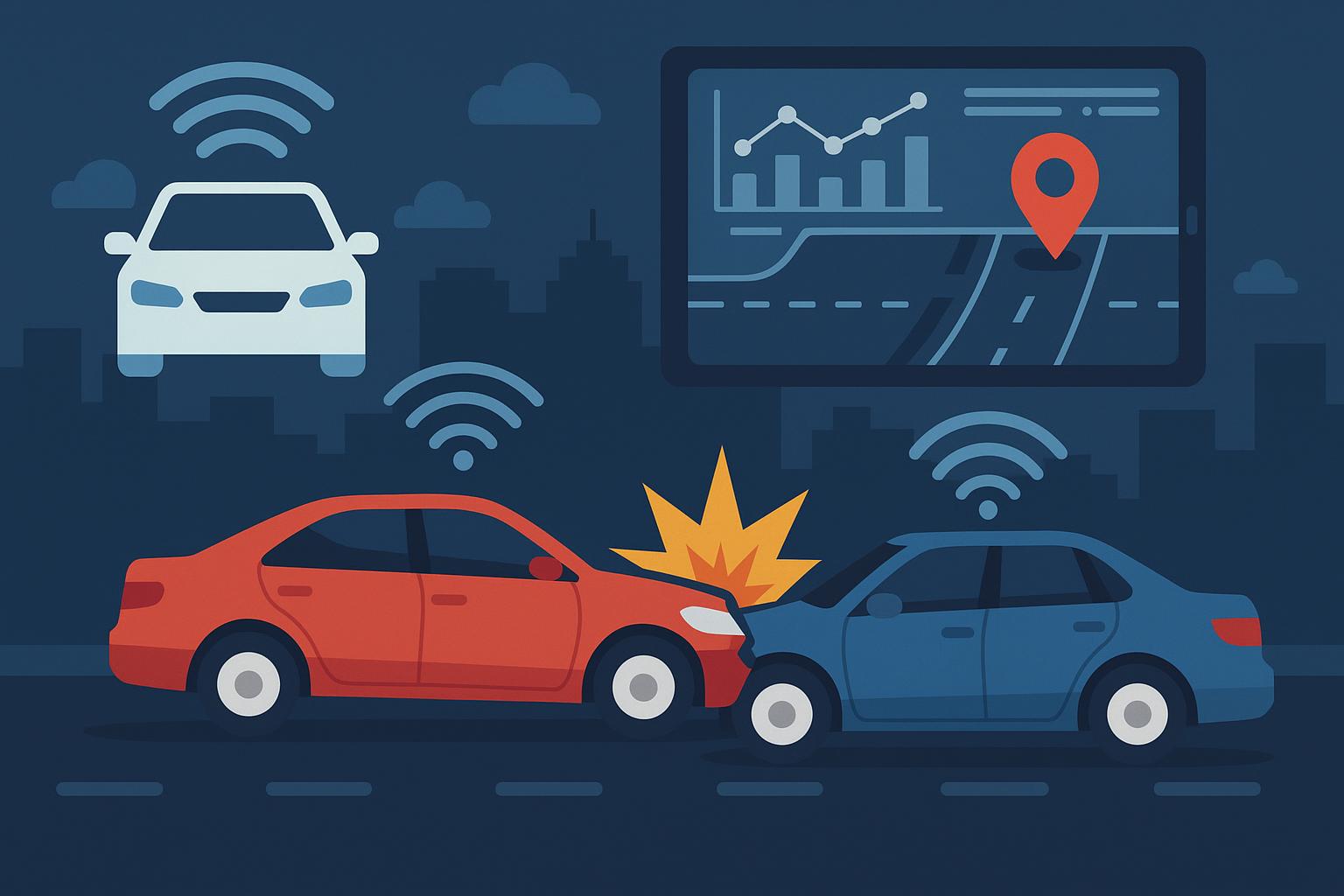
Cars have become rolling computers. Navigation systems, smartphone apps, onboard sensors, and connected services can record information about what a vehicle was doing immediately before a collision. For drivers searching for a car accident lawyer in San Pedro after a crash, this digital trail may provide evidence that goes far beyond photos and witness statements.
The important part is knowing what data exists, where it may be stored, and how quickly it should be preserved.
Your Car May Know More About the Crash Than You Think
Contents
Many newer vehicles connect to manufacturer apps that allow owners to check location, battery status, fuel levels, charging activity, maintenance alerts, and other vehicle information.
Behind these consumer features are systems capable of collecting much more technical data.
Depending on the vehicle, available records may include:
- Vehicle speed before impact
- Accelerator or brake input
- Sudden acceleration or deceleration
- Seat belt and airbag activity
- GPS or trip information
- Collision notifications
- Diagnostic alerts
- Time and date records
Not every vehicle records every item. Some information remains within the car, while other information may be transmitted to a manufacturer or a cloud-based service.
That distinction becomes important after a serious collision.
The Digital Black Box Can Help Reconstruct a Crash
Event Data Recorders, commonly called EDRs or vehicle “black boxes,” record technical information surrounding certain crash events.
Federal rules under 49 CFR Part 563 establish requirements for vehicles equipped with EDRs. Depending on the vehicle and event, recorded information can include speed, brake use, accelerator position, seat belt status, and changes in velocity.
That information can help answer basic questions about fault.
Was the driver braking before impact? Was the vehicle accelerating? How fast was it moving shortly before the collision?
An EDR does not automatically determine who was responsible. The data becomes more useful when compared with physical damage, photographs, road evidence, witness accounts, and other records.
Connected Apps Add Another Layer of Evidence
Mobile vehicle apps can sometimes provide timestamps, location history, charging records, remote commands, or diagnostic notifications.
That can create a second digital timeline alongside the EDR.
For example, suppose two drivers disagree about when or where a collision occurred. A timestamped vehicle alert or connected-app record may support one version of events. GPS data could also help determine a vehicle’s location at the relevant time.
A car accident lawyer in San Pedro, motorists’ contacts may therefore look beyond the traditional police report and examine whether useful electronic records are available.
California Law Still Focuses on Negligence
Technology changes the evidence, but it does not change the basic legal question.
California Civil Code Section 1714 generally makes people responsible for injuries caused by a lack of ordinary care. In an auto collision claim, evidence is used to determine whether a driver acted negligently and whether that conduct contributed to the crash.
Electronic information can also become part of the discovery process. California Code of Civil Procedure Section 2031.030 specifically addresses requests involving electronically stored information.
That matters because useful vehicle data may not remain available indefinitely.
What Drivers Should Do After a Collision
If your vehicle uses connected technology, preserving information early can make a difference.
Consider taking these steps:
- Screenshot relevant alerts or trip information in your vehicle app
- Save emails or automatic collision notifications from the manufacturer
- Avoid deleting the vehicle app or resetting the account
- Do not erase vehicle settings or factory-reset the car
- Photograph the dashboard, warning messages, and damage
- Keep the vehicle available for inspection when possible
Do not attempt to access another driver’s private account or vehicle systems yourself. Evidence belonging to another party may need to be requested through proper legal procedures.
Cars Are Creating Better Crash Timelines
Connected vehicles are changing what can be investigated after a collision. A crash that once depended heavily on conflicting statements may now leave behind speed information, braking data, GPS records, app notifications, and precise timestamps.
None of these records should be viewed in isolation. Together, however, they can help build a more complete picture of what happened.
If questions about fault remain after a San Pedro collision, speaking with a car accident lawyer San Pedro residents can consult may help identify whether vehicle telemetry, app records, or EDR data should be preserved before that information is lost.