


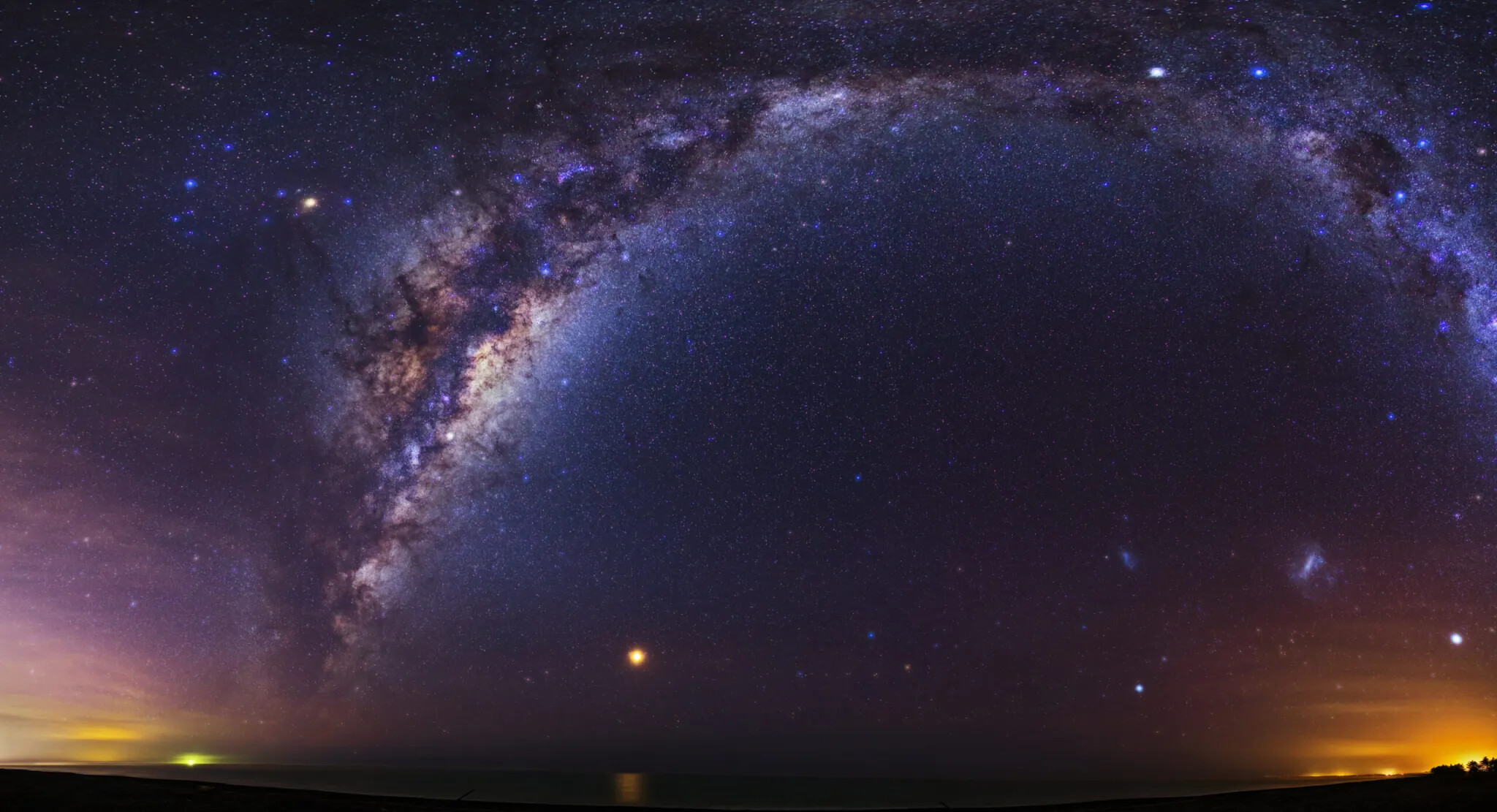
You may choose a destination for its natural beauty and decide what to do once you arrive. Hobbies allow this process to occur in reverse order. You may wish to see a performer, participate in a workshop or take photographs of a landscape under specific lighting conditions. In this case the activity provides direction for your travels and ultimately your routes follow.
If someone has an interest in ceramics, their attention may become focused on the tools they observe through the window of a studio or the texture and detail of handmade bowls. These are items that would likely remain unseen if the traveler was creating a general itinerary based on sightseeing options.
Travelers who have an interest in ceramics may board a train heading to a neighboring city which hosts an art show or special exhibition featuring ceramic artists. A short journey can serve the same purpose as a flight to a large convention. What matters is access to something the traveler cannot easily experience at home.
Some Experiences Depend on Being There
Contents
Many hobbies have their own location-specific physical aspects. Stargazing is one of these. The National Park Service’s stargazing guide explains that a bright full moon can make the Milky Way harder to see. In addition, the article describes public events where people bring their telescopes and allow others to view what they have seen. The timing and setting for this experience also impact its nature.
Traveling provides a way to encounter both new locations and other people. If someone attends a weekend workshop in order to watch a potter use his hands in manipulating clay, the attendee can ask about the potter’s exact movements during the presentation. This type of interaction does not occur with recorded presentations.
For instance, if someone were traveling alone and attending a photography walk, he could discuss the scenery surrounding him with the rest of the group upon arrival. There is no guarantee that these individuals would form friendships; however, the fact that they share an interest provides them with a means of establishing common ground.
The Event Becomes the Trip’s Clock
Once a traveler selects a festival to attend, their travel plans, including accommodations and travel days, are shaped by the selected festival and its associated events.
Poker demonstrates this relationship. A June 2026 article on GipsyTeam previewed a July poker festival on Jeju. The article provided tournament dates, along with suggested hotels, airport transportation, and nearby tourist attractions. The combination of all these items demonstrates how attending an event can structure your entire trip.

A craft fair or music weekend raises the same planning questions. The traveler who selects a small hotel located close to the event location may have more time for the event than the traveler who books an appealing hotel located far away from the venue.
A full program leaves little space for exploring, so someone attending every session may experience the destination differently from a companion with free afternoons. There is no right or wrong in either scenario; however, both have different expectations based on their chosen itinerary.
Companions May Be Taking a Different Holiday
Two people traveling on the same itinerary may imagine their days quite differently. The first person might picture spending all of his free time during this trip visiting an exhibit and the second person might see himself as having ample opportunity for long lunch breaks or strolls through the city. Both are reasonable assumptions but they are not necessarily compatible.
It may be helpful to differentiate between the event that prompted the original travel plans and the hours that remain completely unallocated. For example, an afternoon spent at a workshop is not also available for a shared excursion.
However, multiple travelers can plan independent activities as part of a trip planned jointly by all parties. As an example, one member of a party could attend a morning photo shoot (or any other activity) while the rest of the party visit a local museum with everyone getting back together again for dinner. Separate activities can give each person something worthwhile to do without requiring identical interests.
This would work just as well for a group of like-minded individuals. One of them may wish to return to a particular location many times over; the next member of the group may prefer variety. A common interest offers a reason to travel together, but it does not settle every preference.
The Trip Can Outlast Its Main Event
A hobby may explain why someone travels to a place without defining everything they remember about it. An example would be a person who attends a festival; they may recall having a conversation at breakfast, visiting a local art exhibit or walking from one session to another. This initial reason for traveling allows an individual to open themselves up to additional activities during their vacation.
These additional experiences matter when the main activity is unpredictable. As an example, clouds may arrive on the day you wish to go stargazing. A competitor in a contest may lose earlier than they hoped. While both events are disappointing, this does not mean that all of the rest of the traveler’s visit was unproductive.
Travelers can also bring home something beyond photographs or purchases. Examples include a participant in a workshop returning with questions to research, techniques to practice or with an even greater understanding of what type of enjoyment they derive from their favorite hobby. The journey can change what someone notices in a familiar pastime.