


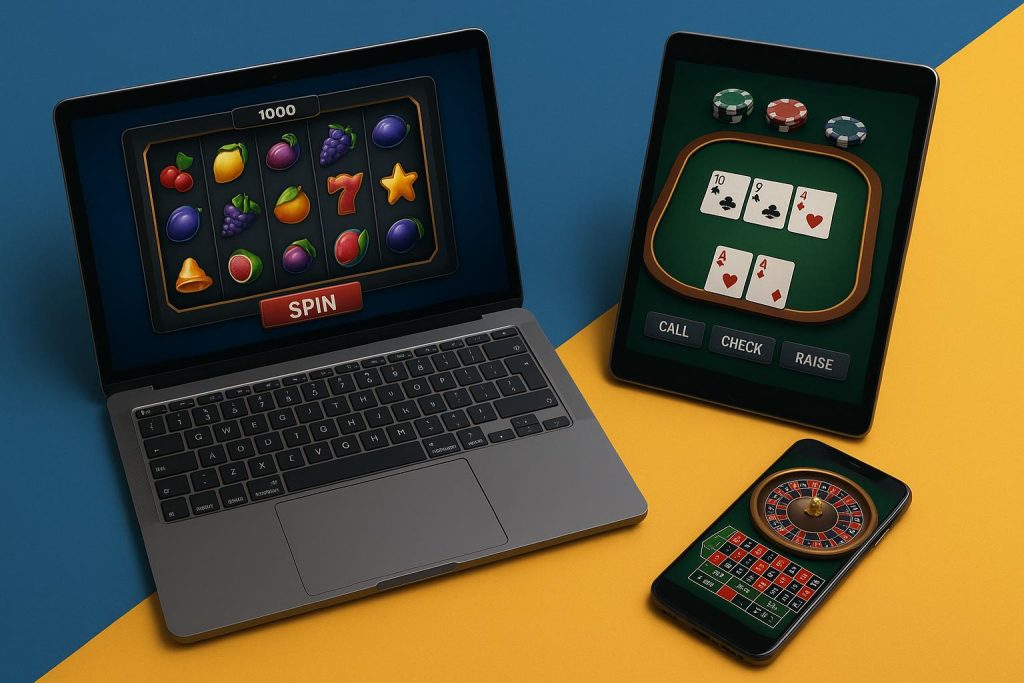
In a world where many people own multiple types of devices such as mobiles, laptops, PCs and tablets, it has become a standard expectation that digital platforms provide the same quality of user experience across all types of devices.
The volume of worldwide users accessing the internet via mobile devices surpassed laptops and desktops in 2016 and since then, mobile usage has been established as the primary device used for internet activity. Over 60% of all global internet access is now accounted for by mobile phones but there are still many internet users who use multiple devices on a regular basis.
Sometimes people prefer the convenience of using their mobile phone for digital activities but might choose to switch to their laptop or desktop when they have more time or want the advantage of a large screen.
One industry that has focused heavily on providing a seamless UX across multiple devices is the online casino industry. iGaming is one of the fastest growing sectors driving around 634 billion US dollars in global revenue in 2025. Casino operators and sportsbook platforms who can provide a high-quality, multi-device focused platform can outperform their competitors to achieve great financial success.
This is how iGaming brands are nailing multi-device focused UX:
Adaptive Interfaces
Contents
For a time, mobile optimization became a major area of focus in website platform design but with many digital users now constantly switching across devices including tablets, mobiles and desktops, simply changing the screen size no longer meets user expectations. Adaptive interfaces with device-aware navigation ensure that buttons and page layouts adapt to suit the device type that is being used.
Adaptive interfaces prioritize one-handed navigation for mobile users, while desktop users will have a wider range of navigation options to quickly find the games or sections of the platform that they want to visit.
Synchronized Mobile-Dedicated Apps
With over 75% of iGamers using mobile devices to play casino games and place sports bets, these types of users are still highly prioritized in platform development, while still considering that there will be times when the user will choose to use a different device. Many online casino platforms and sportsbooks provide a dedicated app that players can download to quickly access their favorite games and their account will be synchronized across all devices.
They can access their funds and account details, and their gameplay progress is saved so whichever type of device they are using will display the same details across multi-devices. This seamless cross-platform continuity helps to retain players, especially when loyalty bonuses and rewards are applied across all platforms.
If a platform does not offer synced preferences and accounts, players will become frustrated and potentially move onto a competitor platform, so UX designers are spending more time working on delivering high-quality cross-platform synchronization.
Real-Time Stats
Many sports bettors want to be able to quickly view live data and have live streaming of a horse race, for example. Historically, mobile device users had limitations compared to desktop and laptop users but UX design has improved significantly to ensure that mobile users have access to dynamic odds and embedded streams.
Navigation to live events has also been simplified across all devices, and people playing lotteries can access more betting options through betting platforms than previously, as you can see on the powerball prediction site. There are multiple betting types for Lucky Numbers, which all users can easily navigate through, regardless of the device type being used.
Device-Specific AI Personalization
AI personalization has become a driving force in enhancing the user experience, with operators implementing AI tech for providing personalized bonuses and recommending games that are based on previous playing history. AI systems can analyze huge volumes of data to identify details such as device usage and session duration to personalize the user experience and can automatically adapt recommendations based on the data.
For example, a mobile user might receive recommendations for games that are quick to access and play, while desktop users might receive recommendations for live casino games, which are typically more likely to be played using this type of device.
With the online casino and sportsbook industry experiencing fast growth, UX designers are ensuring that the user receives a seamless journey whether they are using mobile, desktop or are frequently switching between devices. This is retaining players and delivering a truly multi-device focused user experience that meets the expectations of tech savvy bettors.