


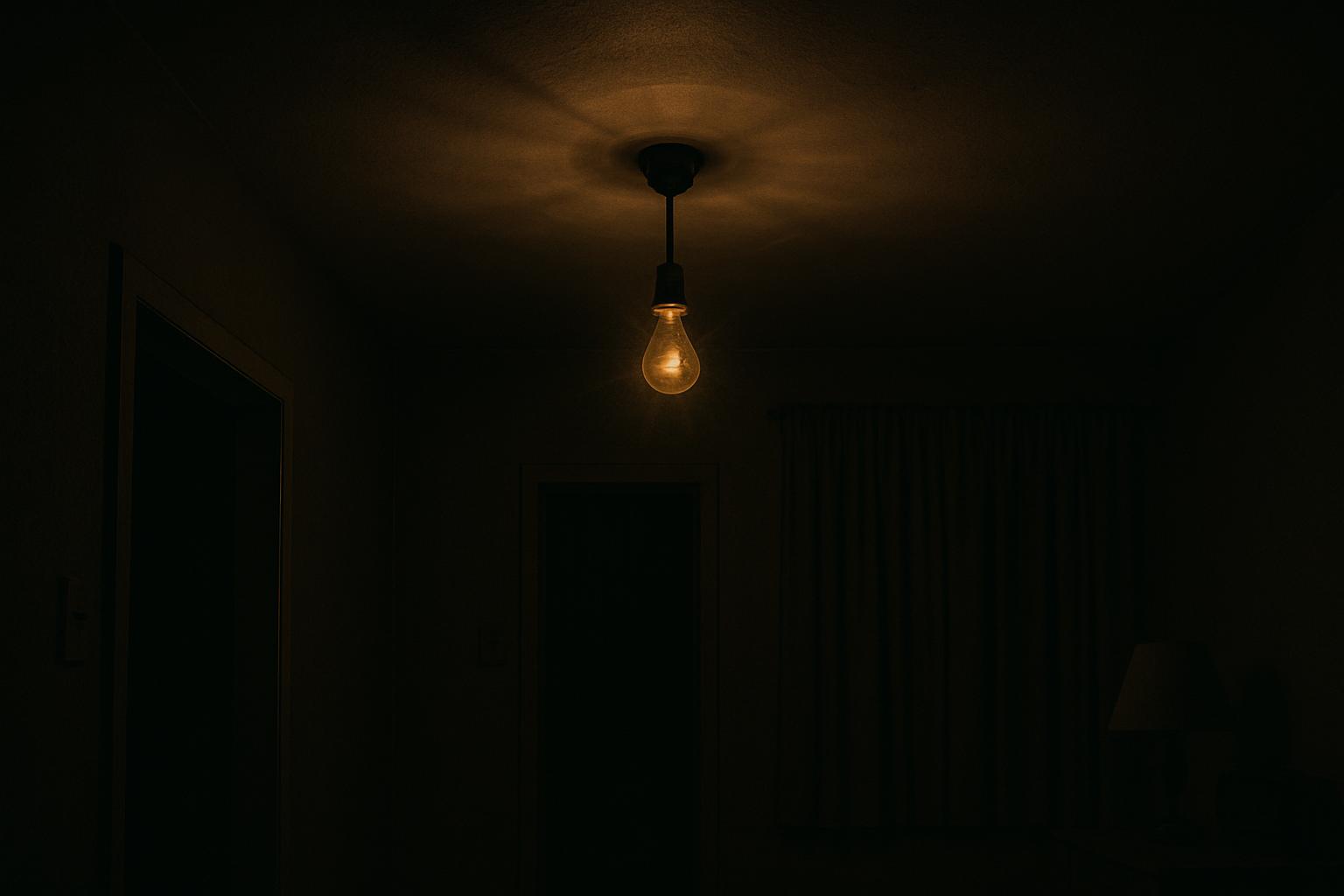
The lights flicker once.
Then again.
Someone jokes about ghosts. Someone else heads toward the electrical room. A faint hum lingers behind the metal door. You open it—and there it is. The gray box nobody thinks about… until they have to.
That box? It’s the brain of your building.
We call them electrical panels. And without them, modern life doesn’t just slow down—it shuts down.
Let’s pull back the cover (figuratively, please—leave the actual panel to the pros) and break down how these systems quietly power everything around you.
The Control Center You Never See
Contents
Flip a switch. Power flows.
But not randomly.
Electricity enters your building from the utility company and hits the main panel first. From there, it’s divided into smaller circuits—each feeding a specific zone, system, or piece of equipment.
Lights. HVAC. Elevators. Office outlets. Data rooms.
Without electrical panels, power would surge through wiring without direction or protection. That’s not just inefficient—it’s dangerous.
The panel organizes electricity. Distributes it. Controls it.
Think of it as air traffic control—but for voltage.
Breakers: The Split-Second Heroes
Here’s where things get interesting.
Inside every electrical panel are circuit breakers. These aren’t decorative switches. They’re safety devices.
When too much current flows—because of overload, short circuit, or equipment failure—the breaker trips.
Instantly.
Power stops. The risk stops. The potential damage stops.
Yes, it’s inconvenient when a breaker trips. But that interruption is protection.
Without it? Wires overheat. Insulation melts. Fires start.
Milliseconds matter.
That’s why high-quality breakers are non-negotiable. Reliable components sourced from trusted suppliers like Verified Breakers ensure that panels respond precisely when it counts most.
Cheap parts? They fail. And electrical systems aren’t forgiving.
Main Panels vs. Subpanels: The Power Hierarchy
Not all panels are equal.
Main Panel:
The primary distribution point. It houses the main breaker that can shut down the entire building if needed.
Subpanels:
Secondary panels that distribute power to specific floors, departments, or equipment clusters.
Large commercial buildings rely on this layered structure. It reduces wiring congestion. It balances load. It isolates faults.
In other words: if one area trips, the whole building doesn’t go dark.
Smart design. Quiet resilience.
Load Capacity: Today’s Power vs. Yesterday’s Panels
Here’s the part most people underestimate.
Buildings consume more electricity now than ever before.
EV charging stations. Server rooms. Smart HVAC systems. Automated manufacturing. High-efficiency lighting. Security systems. Data centers.
Panels are rated by amperage—100A, 200A, 400A, and far higher in industrial spaces.
If demand exceeds capacity, warning signs appear:
- Frequent breaker trips
- Inconsistent power
- Overheated panels
- Limited room for expansion
And here’s the uncomfortable question: Is your panel sized for where your building is going—or just where it started?
Future-proofing matters.
Warning Signs You Shouldn’t Ignore
Electrical panels don’t complain loudly. They hint.
Buzzing sounds.
Warm metal surfaces.
Breakers that won’t stay set.
Corrosion.
Burn marks.
These are not “quirks.” They’re signals.
Routine inspections catch small issues before they escalate. Loose connections get tightened. Aging breakers get replaced. Load balances get corrected.
Proactive maintenance costs less than reactive repair.
Every time.
Component Quality: The Inside Story
Here’s something building owners often overlook:
An electrical panel is only as reliable as its parts.
Breakers, bus bars, connectors—they all carry load. They all endure heat. They all protect circuits.
Using tested, dependable components—like those available from Verified Breakers—ensures performance remains consistent under stress.
Because when a breaker needs to trip, it must trip. Not hesitate. Not fail. Not guess.
Electrical safety isn’t about aesthetics. It’s about precision.
The Silent Backbone of Modern Life
Electrical panels don’t ask for attention.
They don’t flash. They don’t sparkle. They sit behind metal doors in closets and utility rooms—quietly managing enormous responsibility.
But when they fail, everything stops.
Lights. Systems. Equipment. Business.
Understanding how electrical panels work isn’t just technical trivia—it’s operational awareness.
Because in a world powered by electricity, the quiet systems are often the most critical.
And when those systems are built with quality components and maintained properly, power flows safely.
Exactly as it should.