


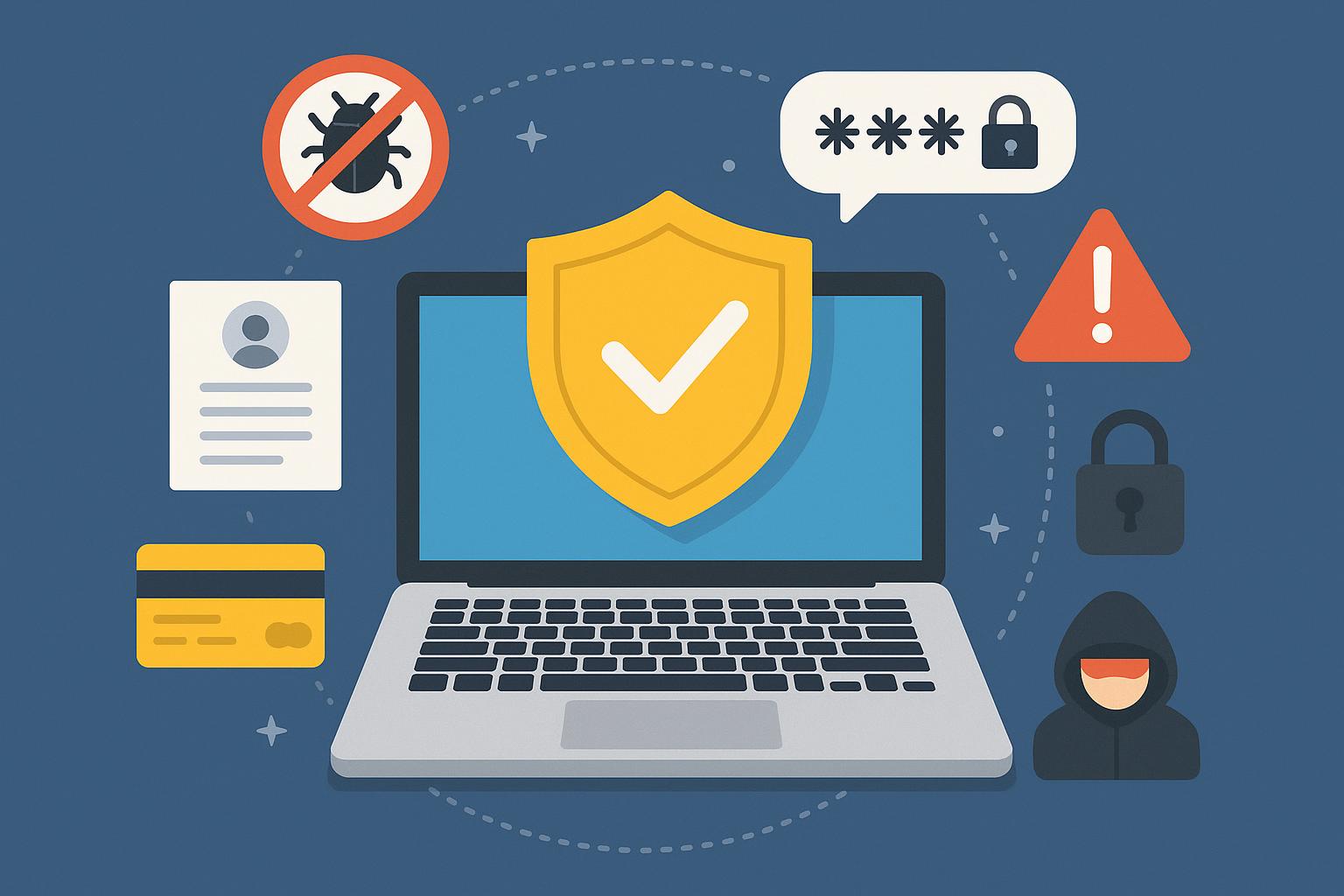
Digital life is the new normal. Whether shopping, banking, streaming our favourite shows, or trying to work remotely, many of us do much of our life through online apps, sites, and services. We enjoy the easy access that it brings, but it also opens the door to many dangers.
Stolen passwords, spear phishing, misleading websites, and other misuse of our personal information can occur. Fortunately, you don’t have to be tech-savvy to be safer online; you just need to develop a few common habits. Read on to find out what these new habits are.
Use Strong and Unique Passwords
Contents
The entire point of having an account with a password is to protect your account. However, since we all have many online accounts, we may decide to use the same password for some of the accounts that we have. In doing so, there is a specific danger. If one password is used across several websites, then one hacked account can compromise many others.
It becomes dangerous for email accounts, since email accounts tend to be the primary route to resetting passwords on other sites. If we’re hacked into one account, it almost means we’ve been hacked into every account tied to that email account.
It’s definitely important to have a robust, distinct password for all of your essential accounts, and a password manager can be an immense help in generating and storing these securely. Passkeys are also gaining ground as an easy-to-use, very secure replacement for typing.
This holds true when you decide to sign up for both major and brand-new sites. An individual who is viewing a casino non-GamStop site should not use their casino login at a different location, especially when choosing among the best non gamstop paypal casinos for safer access.
Turn on Two-Factor Authentication
Two-factor authentication (2FA), also commonly known as two-step verification or two-step security, introduces another step on top of just a password. Common types of two-factor authentication use a code, authentication apps or biometrics (like a fingerprint scan or face detection).
Adding two-factor authentication to bank, shopping, email and social media accounts is simple and even if your account details are compromised, nobody can get into it unless they also know this second step. Be careful if a non-Gamstop casino has limited support for two-factor authentication.
Learn to Spot Suspicious Messages and Links
Phishing, smishing and vishing are just some of the ways a scam will try to trick its victim by email, text and voice call, respectively. They often have characteristics like: receiving unwanted communications, demands for action, asking for sensitive information such as passwords, sending malicious links, using the name of known contacts but from an unrecognised address and a strange use of grammar and spelling.
Trust your intuition; if a message doesn’t feel quite right, don’t follow any links or download any attachments. Just search for the organisation’s official website to check the details of what is occurring. This is the same advice for all types of messages, not only security messages; a random casino non-GamStop offer should be validated individually before relying on it.
Check an Online Service Before Sharing Personal Details
When it’s not a platform you already know, it’s recommended that you look for and collect some info about it. First, make sure the website address and all provided contact details are correct. Likewise, it’s best to check the privacy policy as well as the terms and conditions, together with payment security and any reviews that might come from external resources.
A key element to think about is how they use your data. Having a sleek website or an amazing offer doesn’t make any site completely trustworthy, so always proceed with caution if the provider is too eager to get personal details or wants you to commit swiftly.
This is true of any new service that you have never used before, whether it be a Casino Non-GamStop platform like this, or anything else. Make sure that it is licensed and that the payments are safe to make. Reviews written by customers who have already used the Casino Non-GamStop website can also help.
Keep Devices, Apps and Browsers Updated
Old software tends to have security flaws, so hackers always exploit them. Update your operating system, browsers and apps when they release updates, because you prevent these security holes before attackers manage to exploit them. Just turn on automatic updates when prompted. It helps prevent attacks from malware as well as future risks. This is a valid point, no matter if you’re using a popular application you’ve been using for years or a more modern app like those on a non-GamStop casino
Know What to Do If Something Goes Wrong
If you click a suspicious link or mistakenly give out information, don’t panic. You can do many things: Change the compromised password at once on all accounts that used it, if applicable. Contact your bank immediately if you shared information that could compromise your financial information. Scan your computer with security software if you suspect malware was installed.
Don’t be afraid to report fraudulent schemes using their normal procedure. If any account, even of a non-GamStop casino service, looks like it may have been compromised, contact the help service through their official support system. Do not use any number or link received in an unsolicited message.