


Robert Rene Fiallo is a banking executive with more than 35 years of leadership experience across the financial services industry. As chairman and CEO of Bank Advisors LLC in Bethesda, Maryland, he advises institutions on banking operations, growth strategies, mergers, and acquisitions. Throughout his career, Robert Rene Fiallo has held executive leadership roles at multiple banks in Maryland and Virginia, including serving as chairman and CEO of Fidelity & Trust Bank and executive vice president of F&M Bank. He has also founded several banks and overseen numerous mergers and acquisitions. In addition to his work in banking, Mr. Fiallo has managed mixed-use real estate development projects focused on low to moderate income housing and HUD voucher participation. His broad experience in banking operations, financial infrastructure, and strategic development closely relates to the evolving demands of the fintech and payments economy.
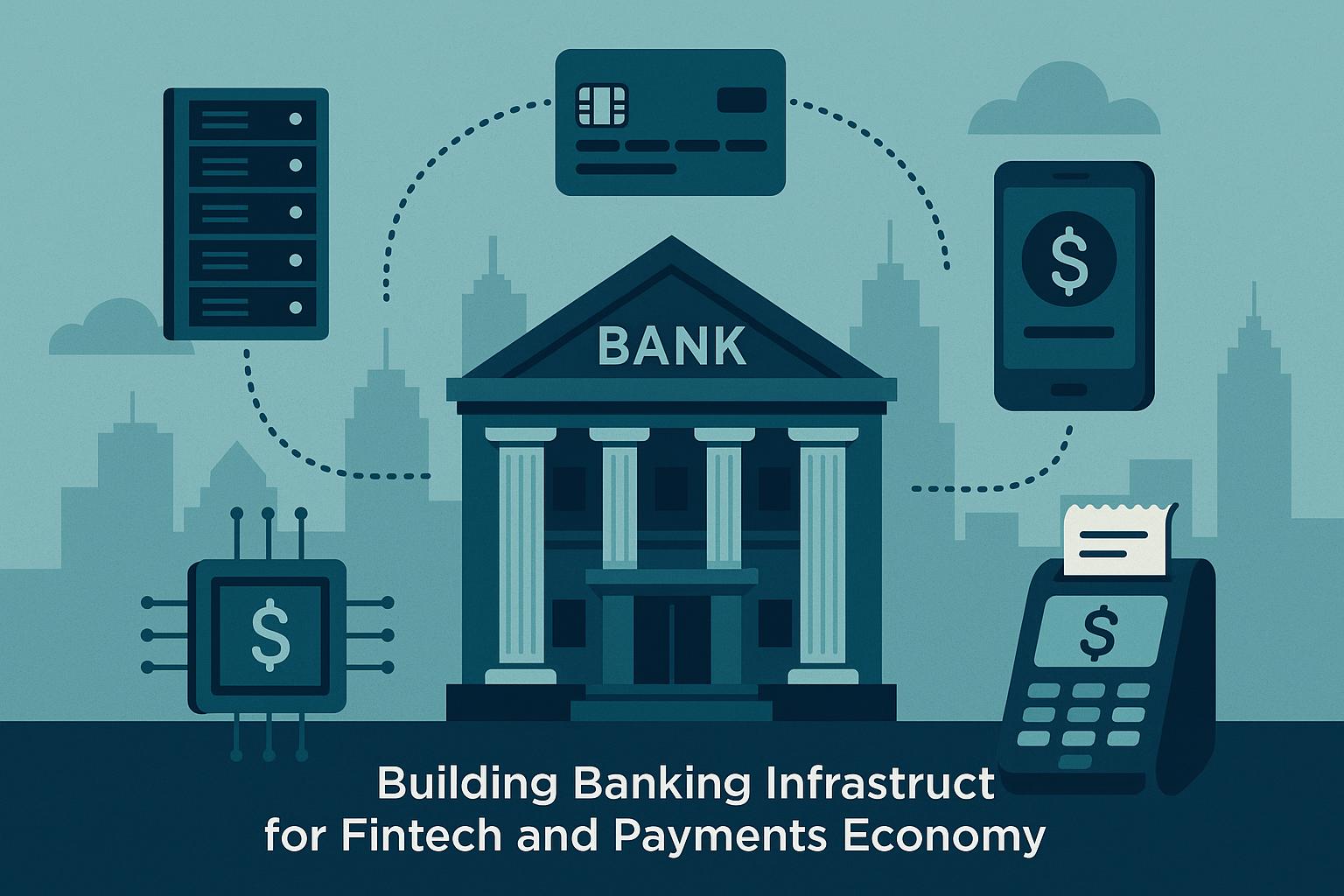
Building Banking Infrastructure for the Fintech and Payments Economy
The rapid growth of fintech companies, digital wallets, and modern payment platforms has exposed a gap in the traditional banking model. Many legacy institutions were not built to support the speed, scale, and technical requirements of today’s financial technology ecosystem. In response, a new approach to banking infrastructure is emerging, designed specifically to support fintech innovation while maintaining regulatory compliance. The global banking company UST, headquartered in the US Virgin Islands, is part of this shift, building its model around the needs of the fintech and payments economy.
This evolution rests on the concept of “banking rails,” the regulated systems that allow money to move securely through the financial system. Fintech companies often rely on these rails to offer services such as payments, card issuing, and digital wallets. However, accessing them directly can be complex, requiring regulatory approvals, compliance frameworks, and operational infrastructure that many technology companies are not equipped to manage independently. This has led to the rise of sponsorship models, in which regulated banks provide the underlying access while fintech companies build user-facing products.
UST is being designed with this structure in mind. Rather than retrofitting legacy systems, the bank’s infrastructure is intended to integrate with modern financial technology from the outset. This includes supporting fintech sponsorship programs that allow companies to operate within established regulatory frameworks while focusing on innovation and customer experience. By aligning its systems with the needs of payment processors and fintech platforms, UST aims to reduce friction in how these companies connect to the broader financial system.
Partnerships play a central role in this model. Modern banking increasingly depends on collaboration between regulated institutions and specialized infrastructure providers. These providers offer tools for functions such as payment processing, compliance monitoring, and application-programming interfaces that enable seamless integration between systems. By working with these partners, UST can support a range of services that fintech companies depend on, including card issuing and digital wallet functionality.
Card issuing, for example, requires coordination between multiple entities, including payment networks, processors, and a sponsoring bank. The bank ensures that all activity complies with regulatory standards, while the fintech company manages the user interface and customer experience. Similarly, digital wallets rely on secure connections to banking systems in order to store funds, process transactions, and maintain accurate records. A bank designed for fintech must be able to support these interactions reliably and at scale.
Compliance remains a central consideration throughout this process. While fintech companies often prioritize speed and innovation, they must still operate within established financial regulations. UST’s approach emphasizes providing compliant access to the U.S. financial system, helping fintech companies meet requirements related to anti-money laundering, consumer protection, and financial reporting. This balance between innovation and oversight is critical to building trust and ensuring long-term sustainability.
The broader goal of this model is to enable participation in a global digital economy that continues to expand. As more financial services move online, the demand for flexible, technology-driven banking infrastructure is likely to grow. By focusing on fintech enablement, UST is positioning itself as a bridge between regulated financial systems and emerging digital platforms.
This approach reflects a larger transformation in how financial services are delivered. Instead of operating as standalone institutions, banks are increasingly becoming platforms that support a network of partners and services. For fintech companies, this creates new opportunities to innovate without needing to build every component from scratch. For the financial system as a whole, it represents a shift toward more integrated and adaptable infrastructure.
About Robert Rene Fiallo
Robert Rene Fiallo is a banking executive and CEO of Bank Advisors LLC in Bethesda, Maryland. With more than three decades of experience, he has held leadership roles at several banks in Maryland and Virginia, including Fidelity & Trust Bank and F&M Bank. Mr. Fiallo has also founded banks and managed mergers and acquisitions throughout his career. In addition to banking, he has experience in mixed-use real estate development projects focused on low to moderate income housing and HUD-supported programs.