


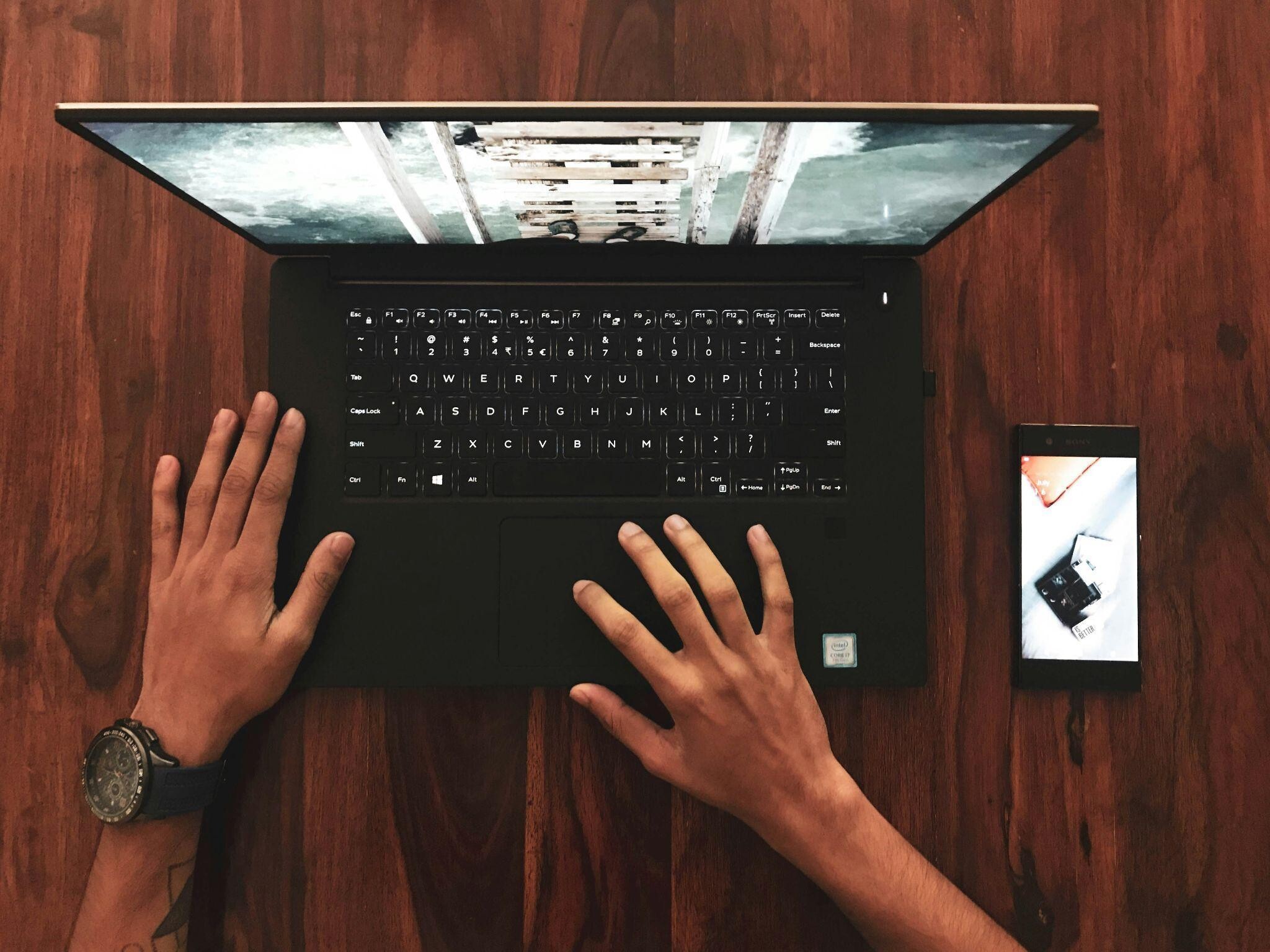
Modern life has become remarkably convenient without becoming particularly gentle on the body. Work happens on laptops, entertainment arrives through phones and televisions, conversations move to messaging apps, and even errands that once required walking can now be completed without leaving the sofa.
None of those conveniences is inherently a problem. The difficulty comes from how easily hours of screen time accumulate without us noticing what the body has been doing during them. Tight shoulders, tired eyes, stiff hips, restless evenings, and low daily movement can gradually become normal. A healthier digital lifestyle does not require abandoning technology. It requires paying more attention to the physical habits developing around it.
Give Your Body a Recovery Routine After Long Screen Sessions
Contents
A laptop can keep the mind busy while the rest of the body remains almost completely still. Several hours later, the consequences often show up in the neck, shoulders, lower back, hands, or legs.
Instead of waiting until discomfort becomes distracting, create a short transition between screen-heavy periods and the rest of the day. A warm shower, gentle stretching, a walk, or a few minutes of relaxed mobility can help signal that the workday is finished. Some adults also incorporate topical wellness products into their personal post-work routines, and those exploring CBD topicals for sale may find creams and similar formats convenient because they can be applied directly as part of a broader self-care routine.
The important point is establishing a deliberate change of pace. Going directly from eight hours at a computer to several more hours on the sofa with another screen leaves very little variation for the body.
Even ten minutes devoted to movement can create a clearer boundary between digital work and personal time.
Stop Treating Sitting as the Default Position
Many people think about exercise as something that happens before or after work. The hours in between receive much less attention.
A workout cannot completely change the fact that the body may have spent most of the day in one position. That does not mean everyone needs a standing desk or an elaborate ergonomic setup. Frequent changes in position can already make a meaningful difference to how the day feels.
Stand while taking a phone call. Walk to another room between tasks. Refill a glass of water instead of keeping several bottles beside the desk. Occasionally work at a counter for a few minutes if the height is comfortable.
These are small movements, but that is exactly why they are useful. They do not require motivation, workout clothes, or a separate block in the calendar.
The objective is simply to prevent one posture from dominating the entire day.
Pay Attention to What Your Hands Are Doing

Digital strain does not only happen in the back and shoulders. Hands and wrists perform thousands of repetitive movements throughout a normal day.
Typing, scrolling, clicking, holding a phone, gaming, and using a trackpad can keep the same small areas working for long periods. The problem becomes more noticeable when the wrist is repeatedly bent into an awkward position or when someone grips a device much harder than necessary.
Desk arrangement can help. A keyboard and mouse should be positioned so that the arms can remain relatively relaxed rather than constantly reaching forward. Frequently used devices should be easy to access, and laptops used for long periods may benefit from an external keyboard or mouse so the screen and hands do not have to share the same fixed position.
Phone use deserves attention too. Constantly holding a device at chest or waist height encourages the head to tilt downward. Raising the phone closer to eye level occasionally may feel unusual at first, but it reduces the amount of time spent looking toward the floor.
Give Your Eyes Something Else to Look At
Screens create another type of repetition: visual distance.
For hours at a time, the eyes may remain focused on something only a short distance away. Add artificial lighting, small text, glare, and reduced blinking, and tired eyes can become part of the normal workday.
Changing visual focus periodically is an easy habit to introduce. Look out of a window, walk onto a balcony, or simply spend a short period looking around a larger room instead of immediately switching from the laptop to the phone.
Screen brightness should also suit the surrounding environment. A bright display in a dark room can feel harsh, while heavy reflections from a nearby window can make text more difficult to see.
Font size matters more than pride. If you constantly lean toward the screen to read comfortably, increasing text size is usually a better solution than spending every afternoon hunched over the desk.
Notice What Technology Has Removed From Your Day
Digital convenience has quietly eliminated a surprising amount of ordinary movement.
There is no walk across an office to ask a colleague something when a message takes seconds. Shopping can arrive at the door. Banking, entertainment, meetings, food orders, and social conversations can all happen from the same chair.
The solution does not need to be deliberately inconvenient. Instead, identify opportunities where physical activity would actually improve the experience.
Walk to get coffee instead of ordering it. Take a short route outside after lunch. Meet a friend for a walk rather than another video call. Browse a physical store occasionally rather than purchasing everything online.
Household tasks count too. Cooking, gardening, cleaning, carrying groceries, and playing with children or pets all introduce movement that disappears when every activity becomes optimized for minimum effort.
A physically healthier day is often built from these ordinary actions rather than one heroic workout.
Protect the Hours Before Bed From Becoming More Screen Time
The end of the day is where digital habits can become particularly stubborn. Work finishes, but the laptop is replaced by television while the phone remains in hand.
Suddenly bedtime arrives without the mind or body ever experiencing a genuine slowdown.
Create at least one part of the evening that does not depend on a screen. It might be cooking, reading a physical book, stretching, preparing things for tomorrow, taking a shower, or sitting outside for a while.
The activity itself matters less than the change in stimulation.
Keeping phones slightly farther from the bed can also prevent a five-minute check from becoming another forty minutes of scrolling. A separate alarm clock is a simple option for anyone who uses “I need my phone for the alarm” as the reason it stays within reach all night.
Technology has made everyday life faster, easier, and more connected, and there is little reason to romanticize a world without it. The overlooked challenge is making sure the body is not expected to remain motionless while everything else becomes increasingly digital.