


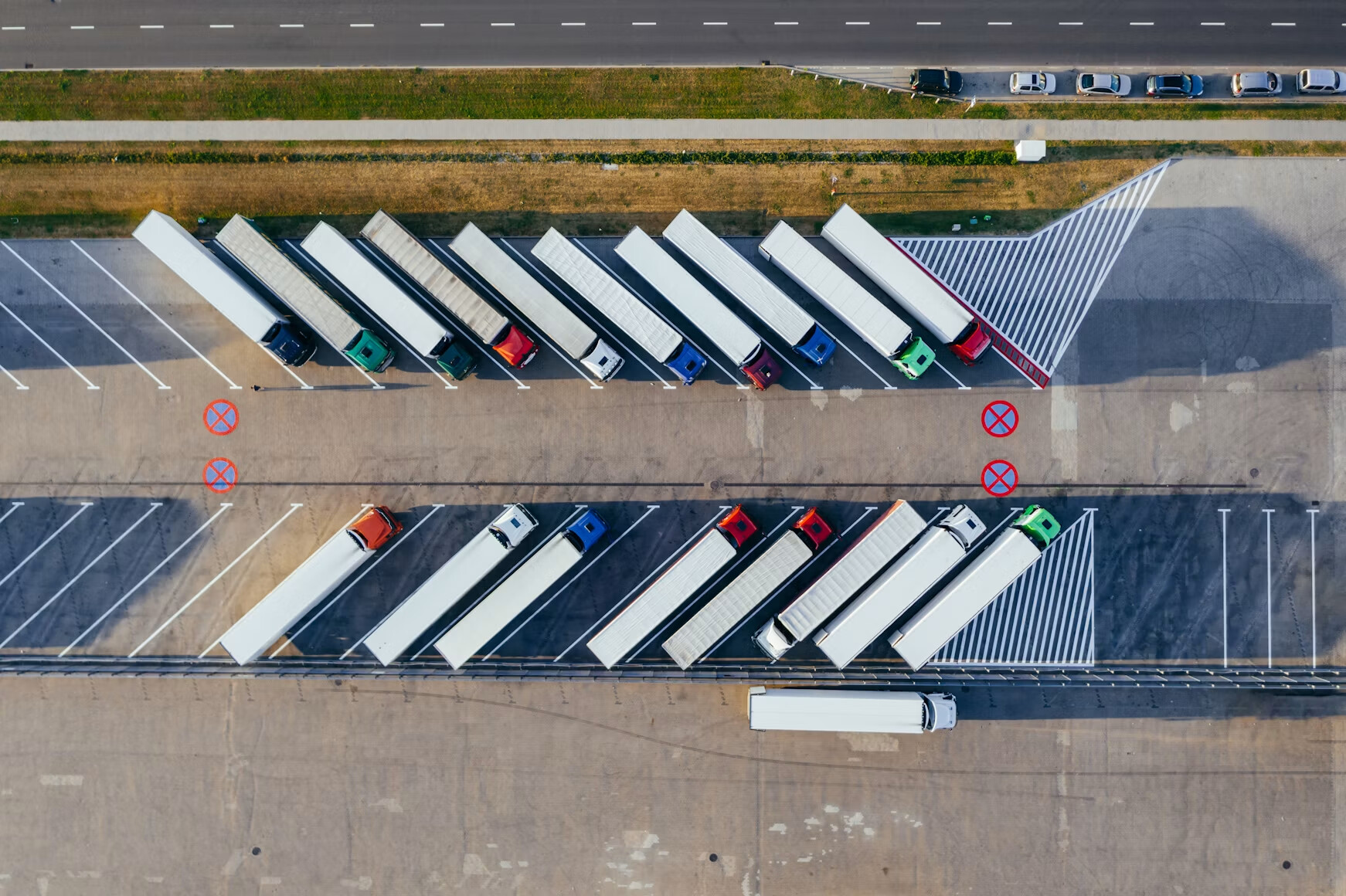
From the moment you order coffee on an app to the time your trash is collected, a complex web of services works tirelessly behind the scenes to keep your city humming. This network, known as urban logistics, is the lifeblood of any modern metropolis. It covers everything from package delivery and ride-sharing to waste management and emergency services. But as your city grows denser and your expectations rise, the technology powering these operations becomes more sophisticated than ever. However, this intricate web of interconnected systems also presents unique urban logistics challenges when you are trying to stay efficient and meet the demands of a rapidly evolving marketplace.
What Makes a City Run Smoothly?
Contents
You rely on the smooth movement of goods, services, and people. Every day, countless vehicles navigate crowded streets to do their job. Delivery vans race to meet your same-day shipping expectations, public transit systems move you and millions of other commuters, and sanitation crews clear waste to keep your community healthy. For a long time, these systems operated separately, each managing its own schedule and route with little information about the others.
When you consider the rise of e-commerce and the on-demand economy, you can see how much pressure they have placed on this delicate infrastructure. The sheer volume of deliveries creates significant challenges in urban delivery, including traffic congestion, air pollution, and logistical bottlenecks. Simply adding more vans to the road isn’t a sustainable solution. Instead, you can see cities and private companies using technology to work smarter. This means creating an interconnected system where data flows freely across different logistical operations and enables real-time coordination and optimization that were previously impossible.
Optimizing Routes, Reducing Delays
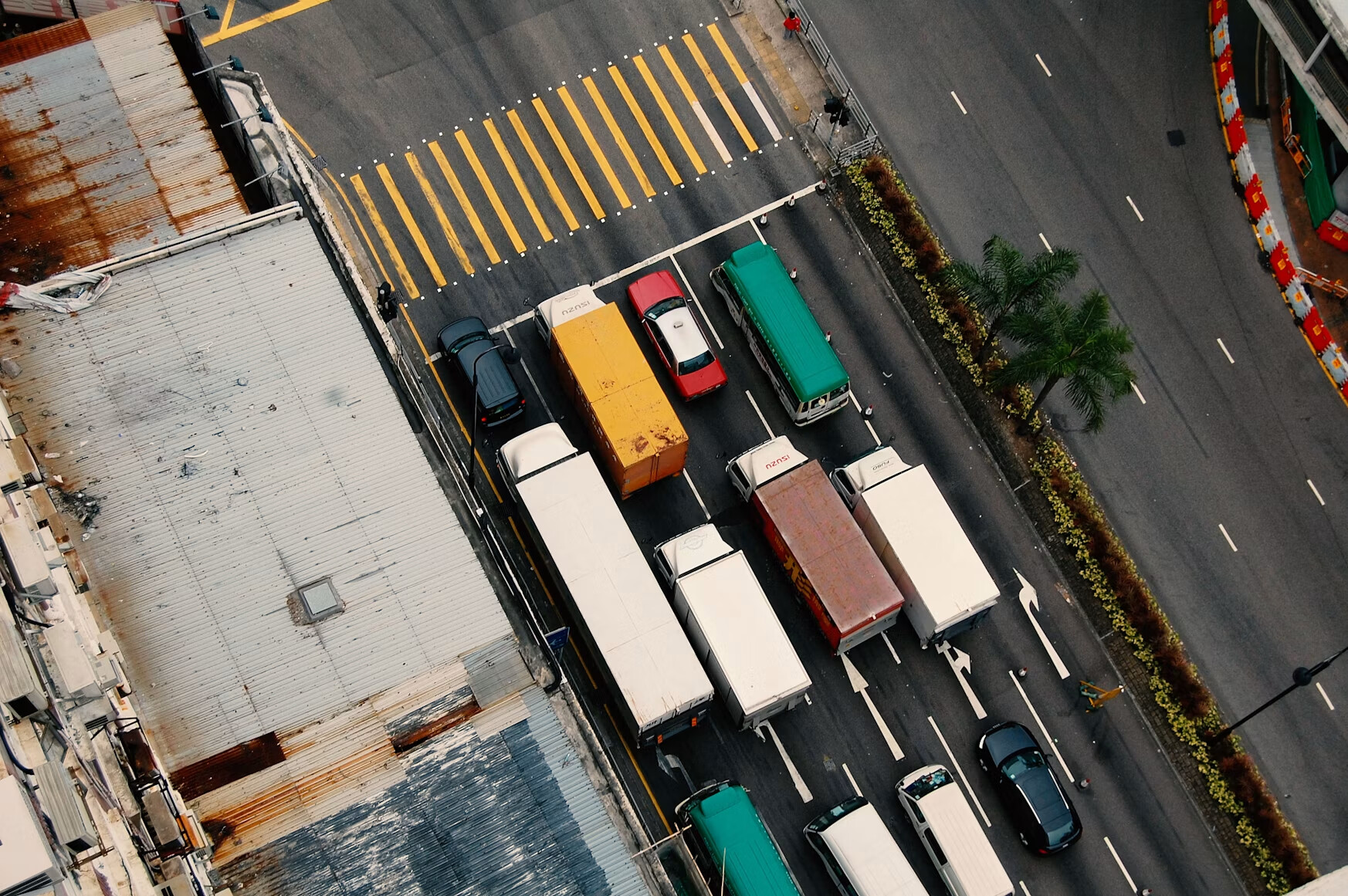
One of the most significant technological advancements in urban logistics is dynamic route optimization. Drivers no longer follow a static, pre-printed list of stops. Today, advanced algorithms process vast amounts of real-time data to create the most efficient path from point A to point B. These systems consider live traffic conditions, weather forecasts, road closures, and even predicted congestion patterns to adjust routes on the fly.
If you’re a delivery driver, your navigation app might automatically reroute you to avoid an accident that just happened, saving valuable time and fuel. If you use a city’s public transit system, this means bus schedules can be adjusted in real time to account for delays, giving you more accurate arrival times. This level of AI-driven optimization has a real impact on your city’s sustainability. By reducing the time vehicles spend idling in traffic and minimizing overall mileage, companies can significantly cut their carbon footprint and operating costs. The technology transforms each vehicle from an isolated unit into a connected part of a larger, intelligent network.
Intelligent Fleet Management Systems
Managing a handful of vehicles is one thing, but coordinating a fleet of hundreds or thousands is a whole different challenge. You can think of intelligent fleet management systems as the command centers for modern urban logistics. These software platforms give you a central dashboard for tracking, managing, and optimizing every vehicle in an operation, whether it’s a fleet of delivery trucks, taxis, sanitation vehicles, or other service fleets. For example, if you run a waste collection company, you may use waste hauler software to manage routes, schedules, vehicles, and daily pickups in a single system.
These systems use GPS tracking to give you a real-time view of every vehicle’s location. This visibility allows for smarter dispatching, as you can send the closest available unit to a new job. Beyond location, the software monitors vehicle diagnostics and alerts you to potential maintenance issues before they cause a breakdown. It can also track driver behavior, helping you encourage safer driving habits and reduce fuel consumption.
If you work in an industry with complex operational needs, specialized platforms help you turn raw fleet data into actionable insights. By bringing key information into one place, these systems can help you improve efficiency, reduce costs, and make day-to-day fleet operations easier to manage.
Data’s Role in Urban Efficiency
Data is the engine driving all this innovation. A modern city is covered in an ever-expanding network of sensors, known as the Internet of Things (IoT), that constantly gather information about the urban environment. Smart traffic lights have cameras and sensors that measure traffic flow and adjust signal timing to reduce congestion. Sensors embedded in parking spaces can tell your app if they’re available, guiding you directly to an open spot and cutting down on time spent circling the block.
Even something as simple as a public trash can is becoming “smart.” Many cities are now using bins with sensors that detect how full they are. This data goes to the sanitation department, which can then optimize collection routes to only visit bins that need emptying. This eliminates wasted trips, saves fuel, and helps keep your public spaces clean. You can use all this information to create a “digital twin” of the city, a virtual model that lets planners test the impact of new policies or infrastructure projects before they’re built. By simulating changes in traffic flow or new delivery strategies in the digital world, you can help cities make more informed decisions that improve efficiency for everyone.
Innovations in Urban Services
As technology keeps evolving, so do the possibilities for urban logistics. “Last-mile delivery,” the final step in getting a package from a distribution center to your doorstep, is a major area of innovation. Companies are experimenting with autonomous delivery robots and drones to handle small, local deliveries, which could further reduce the number of large vans on your residential streets.
Another key idea gaining traction is the urban consolidation center (UCC). Instead of multiple delivery companies sending their own half-empty trucks into your city center, goods first go to a UCC on the city’s outskirts. There, packages are sorted and combined onto a smaller number of fully loaded, often electric, vehicles for the final delivery.
The invisible network that keeps the city running is becoming smarter and more connected every day. Through the intelligent use of data, AI, and innovative service models, urban logistics is evolving to meet the demands of modern life and ensure that your city remains efficient and livable for everyone.