


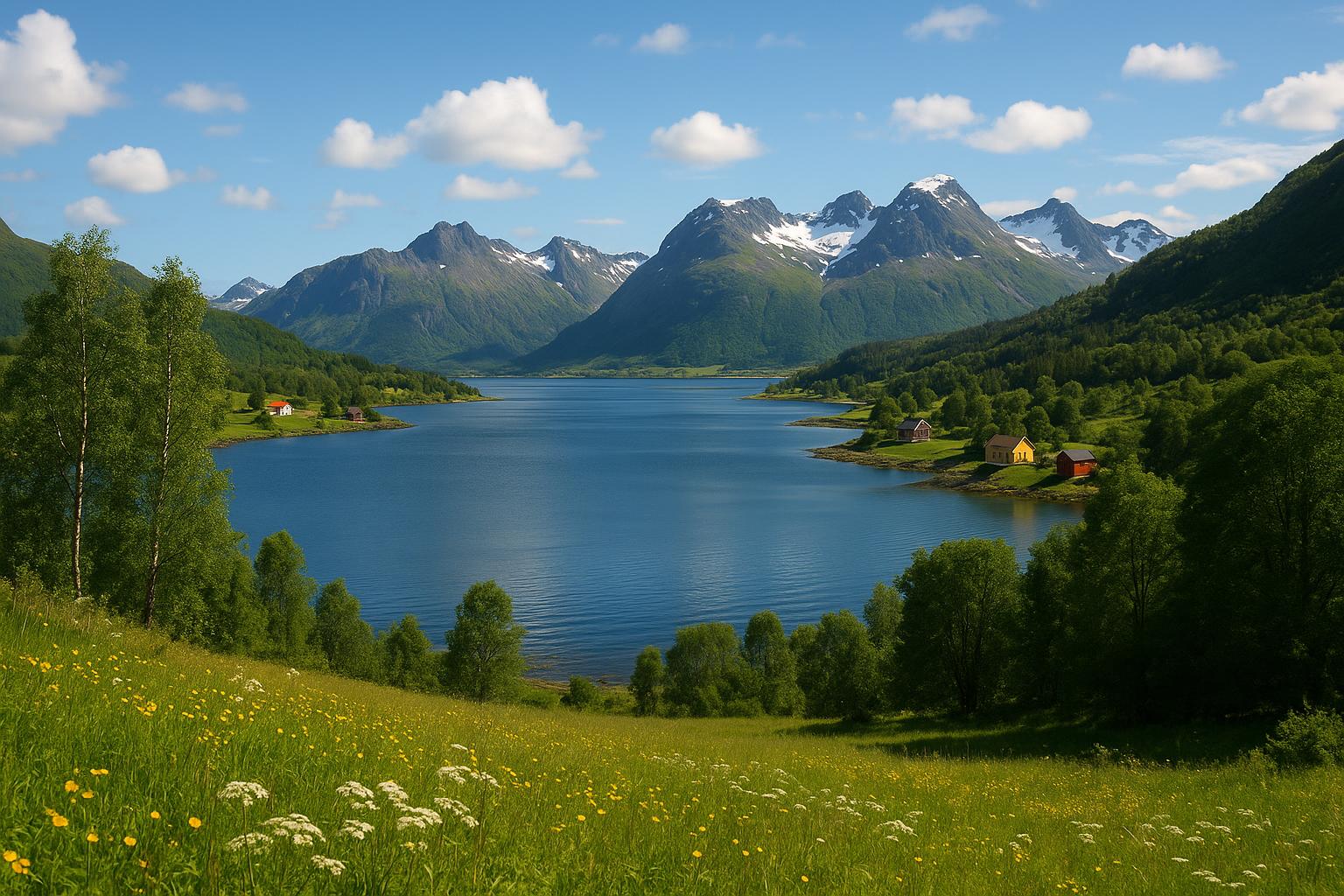
Rising temperatures across Southern Europe have quietly reshaped summer travel habits. Record-breaking heatwaves in Greece, Spain, and Italy during recent years pushed many vacationers to reconsider their plans. In 2026, a growing number of travelers are heading north, drawn by comfortable climates, dramatic landscapes, and experiences that feel refreshingly different from the crowded Mediterranean coastline.
Extreme heat is driving tourists northward
Contents
Mediterranean summers have become increasingly punishing. In 2025, temperatures in parts of Spain and Greece exceeded 45°C for multiple consecutive days, forcing tourist attractions to close and creating genuine health risks. Travelers with families, older adults, and outdoor enthusiasts found their holidays disrupted rather than relaxing.
Scandinavia, by contrast, offers summer temperatures that typically range between 15°C and 25°C — ideal for hiking, cycling, and exploring without the exhaustion that comes with extreme heat. Norway, Sweden, Denmark, and Finland have all reported significant increases in summer tourism bookings compared to previous years.
The Midnight Sun and Untouched Landscapes
Few natural phenomena rival the midnight sun, which bathes northern Scandinavia in continuous daylight from late May through July. This extended daylight creates opportunities that simply don’t exist elsewhere.
What draws visitors to the Nordic summer:
- Fjord cruising along Norway’s western coastline with 24-hour sunlight;
- Wild swimming in thousands of pristine Swedish and Finnish lakes;
- Hiking trails through Iceland’s volcanic terrain and Lofoten’s peaks;
- Wildlife watching, including puffins, whales, and reindeer;
- Cultural festivals celebrating midsummer traditions across the region.
These experiences appeal to travelers seeking authenticity over all-inclusive resort packages. Many visitors describe the shift as choosing adventure and tranquility over sunburn and overcrowded beaches.
One common misconception is that Scandinavian travel is prohibitively expensive. While daily costs can be higher, the overall gap has narrowed considerably as Mediterranean hotspots raise prices amid soaring demand. Entertainment options also vary — some travelers even enjoy unwinding with online platforms like Verde casino 25 euro no deposit during long, bright Nordic evenings.
| Category | Mediterranean Average | Scandinavia Average |
| Accommodation per night | €120–€180 | €130–€200 |
| Meal at a mid-range restaurant | €25–€40 | €30–€50 |
| Daily activity costs | €40–€70 | €50–€80 |
| Flight from Central Europe | €80–€200 | €90–€220 |
The price difference is far smaller than most assume, particularly when booking early summer or choosing destinations such as southern Sweden and Denmark.
Sustainability Plays a Growing Role in Decisions
Eco-conscious travel continues gaining momentum. Scandinavian countries consistently rank among the world’s leaders in sustainable tourism infrastructure. Train networks, eco-certified accommodations, and strict environmental protections make it easier for visitors to reduce their footprint without sacrificing comfort.
Many Nordic destinations actively limit tourist numbers to protect fragile ecosystems, which also means less crowding and a more personal experience — something increasingly rare along the Mediterranean in peak season.
The North Is Calling for a Reason
The shift toward Scandinavian summer travel reflects more than a passing trend. Changing climate patterns, evolving traveler priorities, and the magnetic appeal of the Nordic wilderness are reshaping how people plan their warmest months. If a cooler, quieter, and more adventurous summer sounds appealing, 2026 might be the year to look north.