


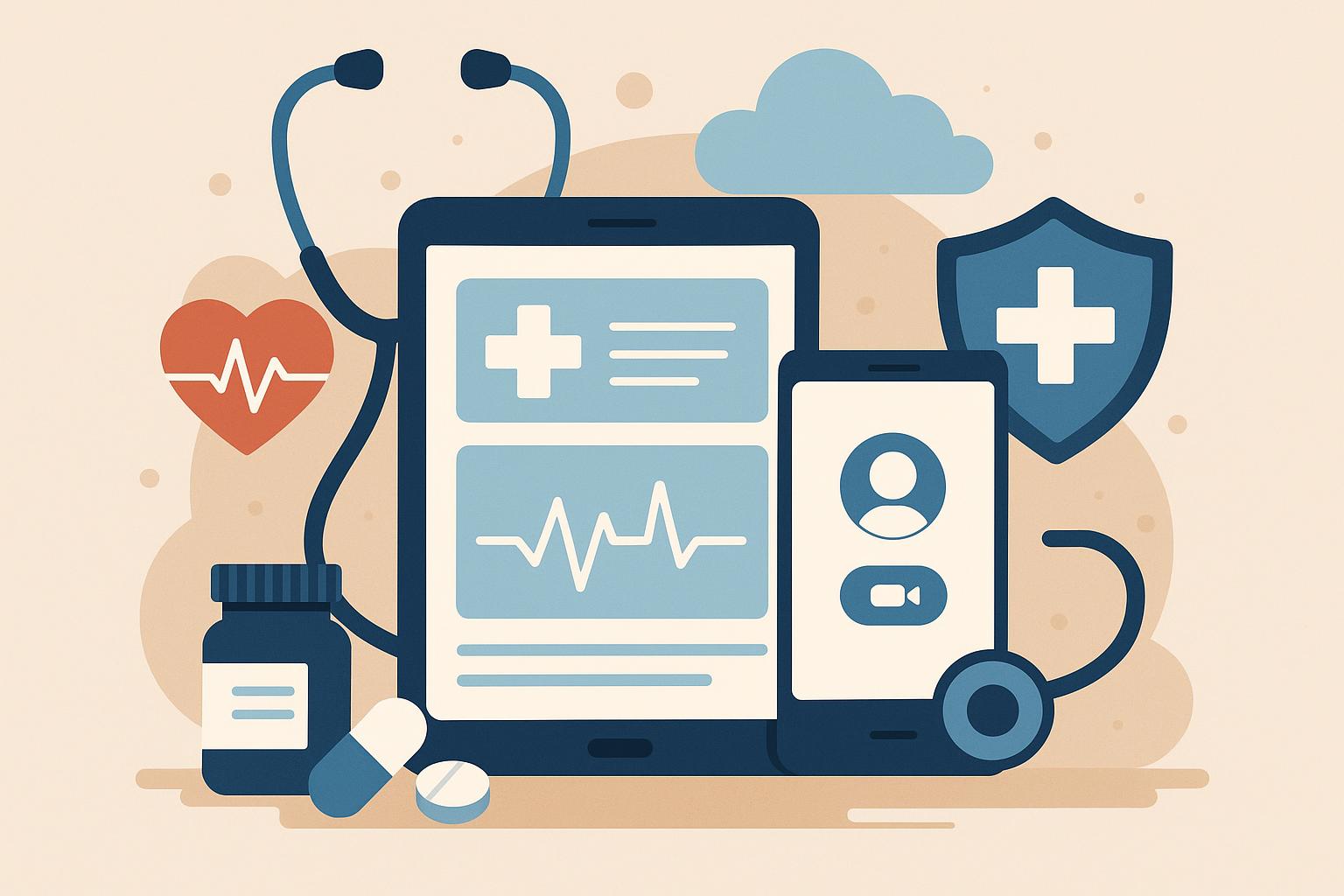
Healthcare is becoming more accessible than ever before, and technology is one of the main reasons why. In the past, many people faced long waiting times, limited appointment availability, and difficulties accessing medical support outside traditional office hours. Today, digital tools and online healthcare services are helping break down many of these barriers.
From virtual appointments to mobile health apps, technology is changing the way people interact with healthcare providers and manage their wellbeing. Instead of healthcare being limited to clinics and hospitals, it is now becoming part of everyday life.
Faster and More Convenient Healthcare
Contents
One of the biggest benefits of modern healthcare technology is convenience. Many patients can now book appointments online, speak to healthcare professionals remotely, and receive prescriptions digitally without needing to visit a clinic in person.
This is especially valuable for people with busy schedules, limited mobility, or those living far from healthcare facilities. Rather than waiting weeks for routine appointments, patients can often access support much more quickly through digital services.
Technology also helps reduce missed appointments and delays. Automated reminders, online forms, and digital communication systems make healthcare processes smoother for both patients and providers.
As a result, more people are seeking medical advice earlier instead of postponing care because of inconvenience or lack of time.
Healthcare Is Becoming More Personal
Technology is also allowing healthcare to become more personalized. Wearable devices and health tracking apps now help people monitor aspects of their wellbeing, such as heart rate, sleep patterns, activity levels, and stress.
These tools give people a better understanding of their health on a daily basis. Instead of only discussing symptoms during occasional appointments, patients can share ongoing information and patterns with healthcare professionals.
This creates opportunities for earlier intervention and more tailored care plans. It also encourages people to take a more active role in managing their own health and wellbeing.
Personalized healthcare experiences can improve patient confidence and support better long-term outcomes, particularly for people managing chronic conditions or lifestyle-related health concerns.
Artificial Intelligence Is Supporting Better Access
Artificial intelligence is playing an increasingly important role in improving healthcare accessibility. AI-powered systems can assist with administrative tasks, appointment scheduling, patient communication, and symptom assessments, helping healthcare services operate more efficiently.
By reducing pressure on healthcare teams, technology can help professionals spend more time focusing on patient care. Faster systems and streamlined processes can also reduce waiting times and improve overall patient experiences.
New healthcare models are also emerging that combine digital innovation with professional oversight, including services offering AI-enabled physician supervised primary care. These approaches aim to make healthcare more responsive while still maintaining the guidance and expertise of qualified medical professionals.
Technology works best when it supports healthcare providers rather than replacing them. Human expertise, communication, and trust remain essential parts of effective healthcare.
Supporting Rural and Underserved Communities
Technology is helping improve healthcare access for people in rural or underserved areas. In the past, some patients needed to travel long distances for appointments or specialist consultations. Virtual healthcare services now make it easier to connect with professionals remotely.
This can save time, reduce travel costs, and help patients receive support more consistently. Remote consultations are particularly useful for follow-up appointments, routine check-ins, and non-emergency care.
Digital healthcare tools can also help people who may feel anxious or uncomfortable attending traditional healthcare settings. Online services provide additional flexibility and privacy, making healthcare feel more approachable for some individuals.
As digital healthcare continues to expand, more communities may gain access to support that was previously difficult to reach.
The Future of Everyday Healthcare
Technology is transforming healthcare into something more connected, flexible, and accessible. People can now access support faster, communicate with healthcare providers more easily, and monitor their wellbeing in ways that fit into daily life.
While there are still challenges surrounding privacy, digital accessibility, and healthcare equality, the overall impact of technology on healthcare access has been significant. Healthcare is no longer limited to physical appointments and paper records.
As innovation continues to grow, technology will likely play an even greater role in helping people manage their health and receive the support they need in a more convenient and efficient way.