


Running out of power at the wrong time is frustrating with any portable electronic device. We have all experienced it with phones, wireless earbuds, or other gadgets. Vape devices can face the same issue, especially when they are designed for regular use throughout the day.
Early disposable vapes were built around simplicity. Once the battery or e-liquid was finished, the device was generally discarded. That approach made the products straightforward, but it also created a practical limitation: a device could still contain usable e-liquid when its battery could no longer provide power.
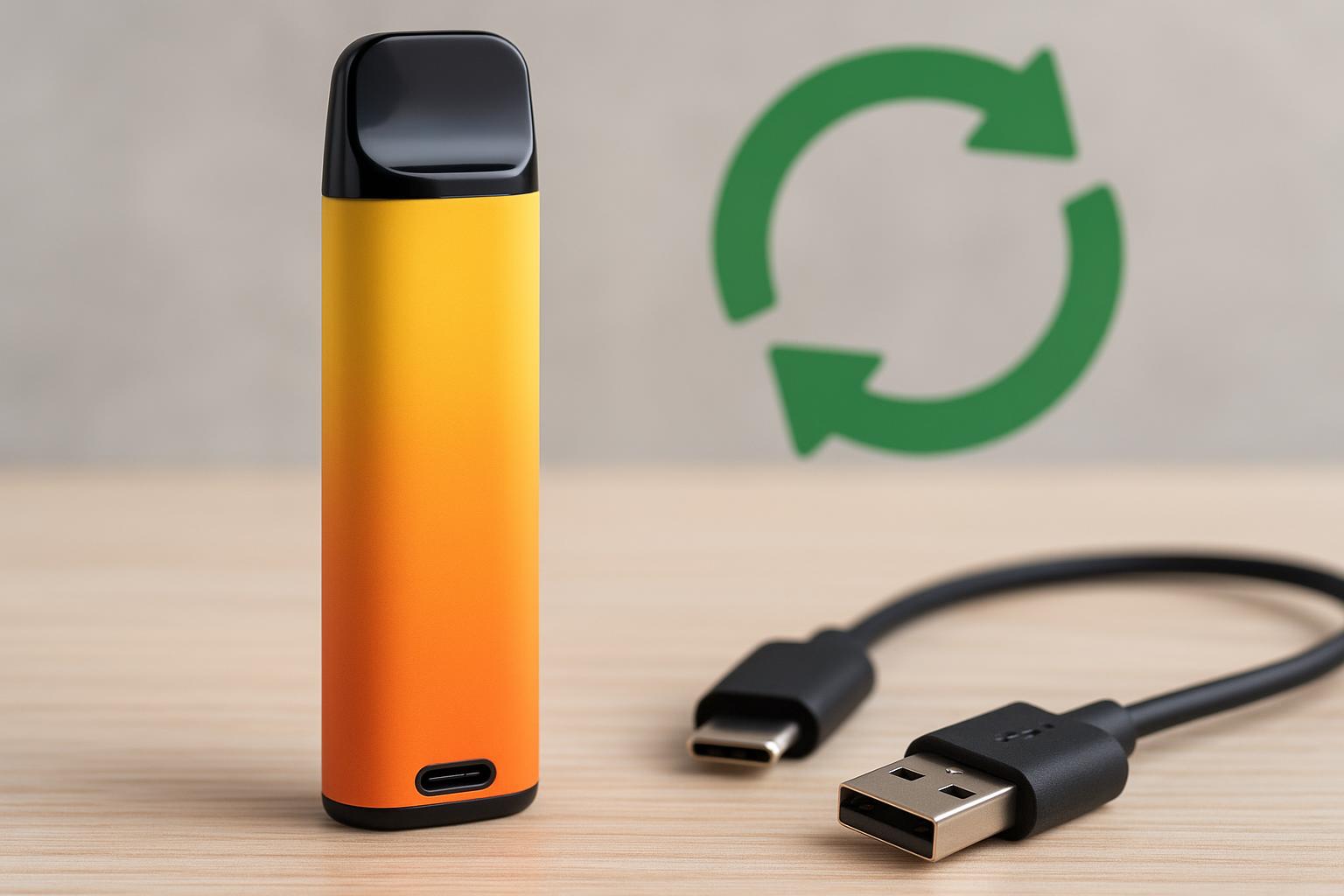
Rechargeability has changed that design approach. Many newer devices now include rechargeable batteries and familiar charging connections. This has made battery management an important part of how modern disposable-style devices are designed.
The change can be seen across products such as Fifty Bar Vapes, Hidden Hills X Fifty Bar, and Humble X Fifty Bar. While designs and specifications differ, rechargeability reflects a wider shift toward making portable electronics more practical.
The Problem: A Battery Should Not Waste the Rest of the Device
Contents
Imagine carrying a device that appears to have plenty of liquid remaining, only to discover that the battery has reached the end of its charge. With older disposable designs, there was little that could be done.
That created an obvious mismatch. The battery and e-liquid capacity had to be carefully balanced because the device could become unusable when either one ran out.
Why Traditional Disposable Designs Had Limitations
The original appeal of disposable devices was convenience. There was no charging cable, refill bottle, or complicated setup.
However, simplicity also meant limited control over battery life.
A traditional disposable design generally had to balance:
- Battery capacity
- E-liquid capacity
- Device size
- Weight
- Expected usage
- Overall manufacturing cost
Getting that balance wrong could reduce the practical value of the device.
A battery that was too small could run out before the available e-liquid was used. Increasing the battery size, meanwhile, could make the device larger and heavier.
This became more noticeable as manufacturers increased device capacities and added features. Larger screens, indicators, different operating modes, and other electronic components can all affect power consumption.
How Rechargeability Addresses the Gap
Rechargeability provides a straightforward solution to one part of the problem.
Instead of designing the battery to last exactly as long as the device’s available e-liquid, manufacturers can provide a rechargeable power source. Users can then recharge the battery according to the manufacturer’s instructions.
This creates more flexibility in the overall design.
For modern Fifty Bar Vapes, rechargeability can be viewed as part of a broader trend toward combining the convenience of disposable-style products with features traditionally associated with reusable electronics.
The same design direction can be seen in products such as Hidden Hills X Fifty Bar and Humble X Fifty Bar. The important change is not simply the presence of a charging port. It is the way rechargeable power changes what designers can do with the rest of the device.
The Solution: Designing Portable Devices Around Rechargeable Power
Rechargeability has become more important because people increasingly expect portable electronics to work around their routines.
Nobody wants a device to become inconvenient simply because its battery needs attention. A charging connection gives manufacturers another way to manage that expectation.
Better Battery Management for On-the-Go Use
Rechargeable devices can be more practical for people who spend significant time away from home.
A familiar charging connection can make battery management easier, particularly when the device supports a commonly available cable.
Some useful design considerations include:
- Battery capacity
- Charging method
- Charging-port placement
- Battery-level indicators
- Charging time
- Protection features
A battery indicator is particularly useful because it gives users an idea of when charging may be needed. Without an indicator, users may only discover the problem when the device stops operating.
This is similar to the way people manage smartphones. Knowing the battery level allows you to plan rather than react.
Of course, rechargeable vape devices should always be charged according to the manufacturer’s instructions. Users should also avoid damaged cables, damaged devices, or unsafe charging conditions.
Rechargeability Also Changes Product Design
Rechargeability has an effect beyond battery life.
Once a product needs a charging system, designers must consider where the charging port goes, how the internal battery is positioned, and how the exterior protects those components.
This can influence the shape and proportions of the entire device.
For example, a modern product may need enough internal space for:
- A rechargeable battery
- Electronic control components
- Charging hardware
- E-liquid storage
- Coil and airflow components
This is one reason newer designs can look quite different from the slim disposable products that first became common.
The design challenge is no longer simply, “How small can we make it?” Instead, manufacturers have to ask how several components can work together while keeping the product manageable to carry.
Rechargeability also reflects a wider consumer electronics trend. People are increasingly accustomed to charging the products they use every day.
Phones, watches, headphones, speakers, cameras, and other portable devices are all built around rechargeable batteries. Vape design has followed a similar technological direction in many product categories.
For consumers comparing Fifty Bar Vapes, Hidden Hills X Fifty Bar, or Humble X Fifty Bar, rechargeability is therefore worth considering alongside other specifications.
It does not automatically make one device better than another. Battery capacity, charging design, build quality, intended use, and manufacturer instructions all matter.
The larger point is that rechargeable power has helped solve a real design limitation. A device does not necessarily have to become unusable simply because its battery needs charging.
As portable technology continues to evolve, rechargeability will likely remain an important part of product design. It offers manufacturers more flexibility and gives adult consumers a familiar way to manage battery power.