


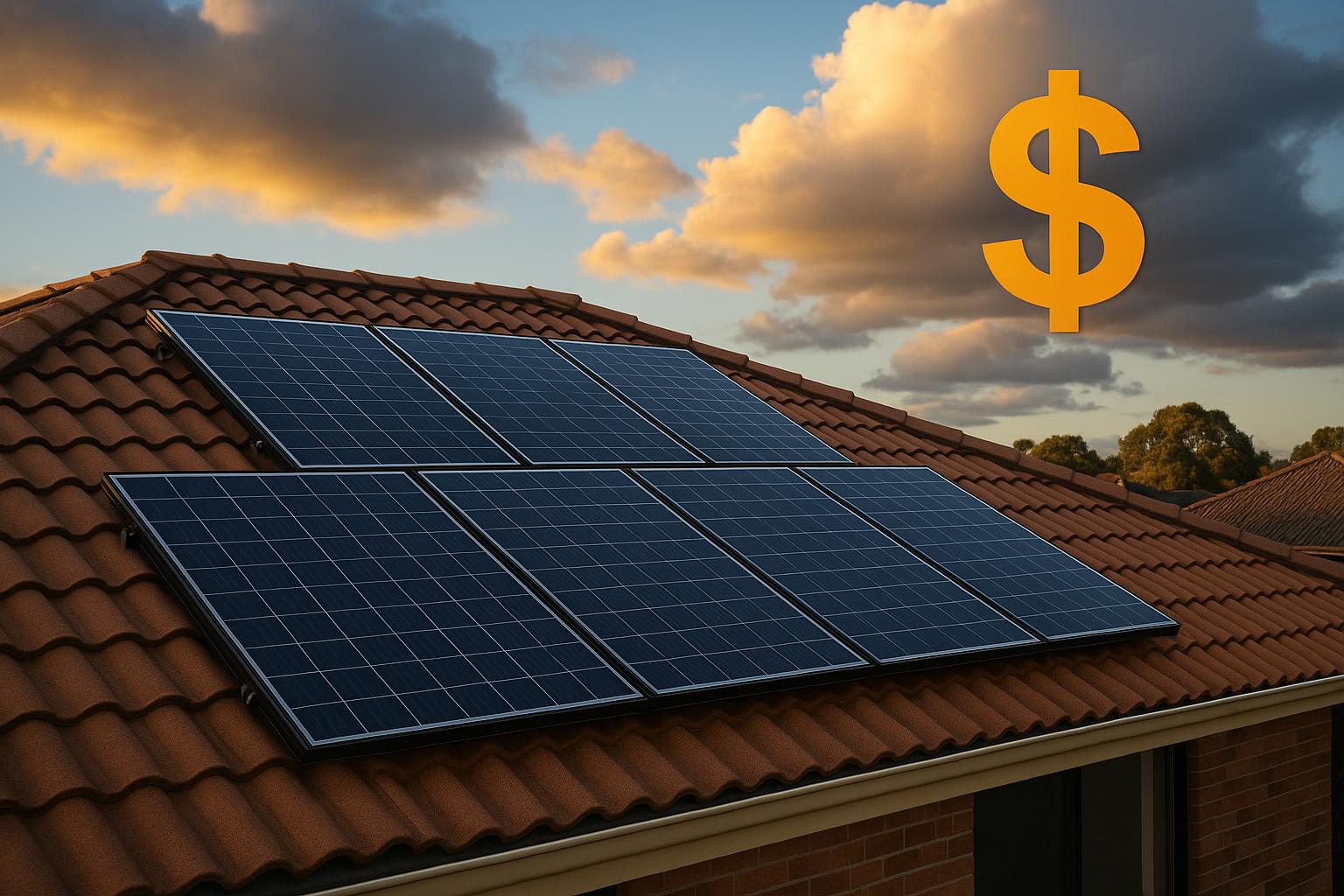
Ballarat households are now taking a closer look at solar installers as electricity bills place greater pressure on weekly budgets. While a suitable system reduces grid purchases, the results depend on the property, household demand, and installation quality.
Local buyers must seek clear advice about panels, batteries, hot water, warranties, and support after installation. That assessment begins with knowing what to check before comparing quotes or booking a solar install inspection for a home’s current and future energy needs.
Price alone does not show whether a system suits a Ballarat home. A proper comparison considers roof direction, shading, switchboard condition, daytime usage, and future electricity needs. Homeowners researching solar installers in Ballarat should ask how each quote addresses those factors, who completes the work, and what support remains after commissioning. A written proposal should make those responsibilities clear.
Why Solar Installer Choice Matters
Contents
Solar panels, inverters, batteries, and hot water equipment must work together. Poor system sizing can leave a household buying electricity during expensive periods, while excess capacity can increase the initial cost without matching actual use.
A local assessment also identifies physical constraints before installation. Roof space, panel placement, cable routes, metre access, and switchboard capacity all affect the final system. A written proposal should explain these points in plain language.
The business website states that the team supplies and installs solar power systems, solar batteries, solar hot water systems, and heat pumps across Ballarat and surrounding areas. It also states that the process begins with a free on-site assessment.
Read The Quote Beyond The Panel Count
A quote should list the panel brand, panel wattage, inverter model, system size, mounting method, and installation inclusions. It should also state whether electrical upgrades, permits, monitoring equipment, and post-installation checks are included.
The panel count matters, but it does not predict household savings by itself. An installer should explain expected generation using the roof’s direction, shading, and available area. The proposal should separate estimated solar production from projected bill reductions.
Battery pricing requires extra scrutiny. The useful figure is the battery’s usable capacity, rather than its total storage figure alone. Homeowners should also ask how the battery operates during a blackout, because backup power requires suitable equipment and wiring.
Match Solar Generation With Household Use
Solar panels produce most of their electricity during daylight hours. Households that run appliances, pool pumps, heating, or hot water during those hours use more generation directly and send less surplus to the grid.
A battery stores surplus solar energy for later use. This suits homes with substantial evening consumption, although the battery size still needs to match regular demand. Oversizing storage can increase the purchase price without improving daily use.
Hot water is another part of the calculation. The website describes PowerStore as a solar-smart electric water heater that uses excess solar energy to heat water. A household comparing options should ask whether controlled hot water use could reduce the battery capacity required.
Check Training, Warranties And Support
Installation quality affects electrical safety, system performance, and future repairs. Homeowners should confirm who will complete the electrical work and whether the installer provides documentation after commissioning.
The website states that fully qualified, trained, and experienced professionals install its systems. It also identifies the business as a New Energy Tech Approved Seller, a status connected with consumer protection standards for solar, battery storage, and electric vehicle chargers.
Warranty wording deserves careful reading. A proposal should separate product warranties from installation warranties and explain who handles a claim. It should also state whether labour, replacement parts, transport, and system removal are subject to separate conditions.
Ask Better Questions Before Signing
A homeowner can improve the comparison by asking practical questions before accepting a quote. What annual generation does the installer expect? Which assumptions support that estimate? What happens if the roof needs repairs before installation?
The installer should also explain monitoring access, cleaning requirements, inverter placement, and the process for reporting a fault. These details affect daily ownership, yet they often receive less attention than panel capacity or advertised discounts.
Rebates and finance need the same care. Eligibility depends on current programme rules, equipment requirements, and the installation date. Any advertised saving should appear in writing, alongside the full price and payment terms.
Conclusion
Ballarat homeowners have a clearer basis for comparing solar installers as electricity costs rise. The right decision starts with a site assessment, an honest review of daytime consumption, and a quote covering equipment, installation, warranties, and future battery options.
Before signing, homeowners should ask how the system will fit their roof, metre, hot water use, and budget. A written proposal gives the household a practical next step and a record of what the installer has agreed to provide.