


Dr. Ana Maria Gonzalez-Angulo is a physician-scientist and global oncology leader whose career has combined clinical medicine, academic research, and international collaboration. Ana Maria Gonzalez-Angulo has held leadership roles at major medical institutions, including The University of Texas MD Anderson Cancer Center, where she served as professor and chief within the Department of Breast Medical Oncology. Her work has focused on translational research, interdisciplinary collaboration, and mentoring future physicians while contributing extensively to global cancer research networks. Now based in Guadalajara, Mexico, she continues her work as a senior medical oncologist and medical director of research while collaborating with institutions across Latin America and Europe. With a career dedicated to health, prevention, and patient well-being, Dr. Gonzalez-Angulo recognizes the importance of physical activity and safe outdoor practices. Hiking while traveling can offer meaningful health benefits when individuals approach unfamiliar environments with preparation and awareness.
Tips for Hiking while Traveling in a New Area
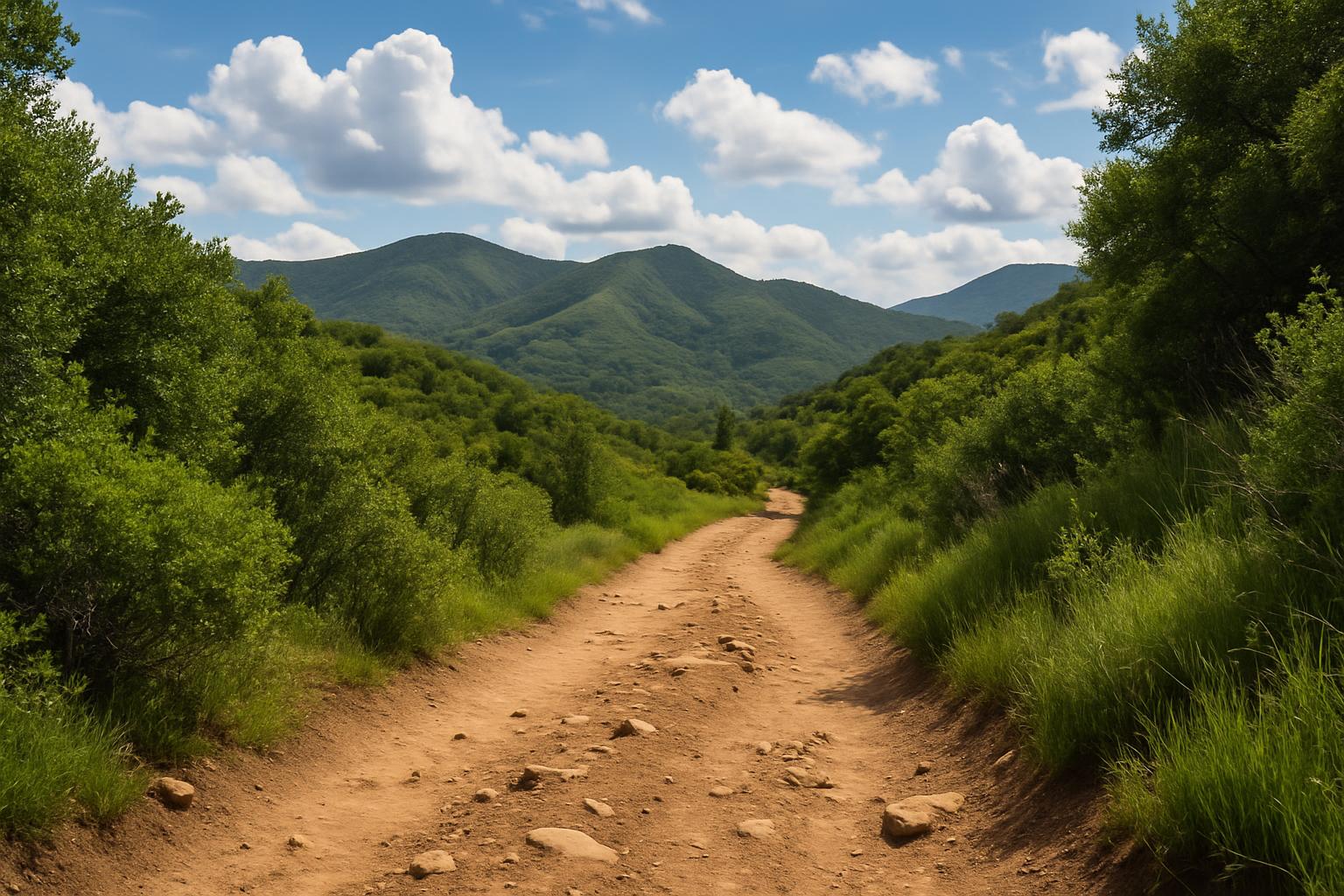
More than 60 million Americans go hiking every year. Individuals who hike regularly enjoy a myriad of benefits, from increased endurance and stamina to decreased levels of stress and anxiety. Hiking also poses certain health risks, however, especially if a person is hiking in a new area for the first time. Whether a hiker has recently moved or is trying to enjoy a day on the trail while traveling, they should take a few steps to ensure a fun and safe time on the trail.
To begin, hikers should perform extensive research before setting out for the first time. Starting on a trail without learning anything about the region can get hikers in trouble, such as encountering challenges beyond their skill set. Hiking trails in the United States do not adhere to a single unified difficulty rating scale, though miscellaneous systems can provide some guidance, including US Forest Service Trail Design Parameters and rock climbing grades.
Hikers can get a general sense of a trail’s difficulty if it has a Swiss Alpine Club (SAC) Mountain and Alpine Hiking Scale rating. For example, T1 trails on the SAC scale consist of clearly marked paths over flat terrain with no danger of falling. Hikers only require decent sneakers. The scale describes T6 trails, on the other hand, as “difficult alpine hiking,” which involves navigating pathless, steeply inclined terrain that often requires rock climbing skills and features a significant danger of falling. T6 trails demand not only advanced hiking skills but also a full set of alpine gear.
Not all trails will have an SAC rating. Individuals can look to popular hiking websites like All Trails and Hiking Project to get a sense of the skills and stamina needed to complete a trail. These websites also provide critical information that allows hikers to determine whether they are up for the challenge, including the length of the trail, whether the trail is a loop or an out-and-back, and any notable geographic features they might run into, such as rock walls, steep inclines, or rivers.
Some hiking challenges are seasonal. A hiker accustomed to exercising in mild conditions may find themselves surprised by the heat in other parts of the country or around the world. Every person is different, but hikers should exercise extreme caution when hiking when the temperature exceeds 80 degrees Fahrenheit, and should consider rescheduling their hike if the day’s forecast calls for higher temperatures. On hot, humid days, hikers should travel with more water than they anticipate drinking, at least one liter per hour on the trail.
Similarly, hikers need to learn about local weather patterns. Certain parts of the country receive little to no rain and only experience storms during the middle of winter or summer. Other regions feature more volatile weather systems, and inclement weather can develop in a matter of minutes. Individuals should always monitor the daily forecast, especially if they are planning a hike in a new location.
Lastly, when traveling to a new area, hikers should always familiarize themselves with local flora and fauna. Most wildlife will avoid human contact whenever possible, but hikers should prepare for any eventuality. For example, playing dead can prove effective in encounters with brown bears and grizzly bears, but this is not a recommended strategy when dealing with black bears. In addition to learning about local animals, hikers should get to know any toxic or otherwise hazardous plants found along local hiking trails.
About Ana Maria Gonzalez-Angulo
Ana Maria Gonzalez-Angulo, MD, PhD, is a physician-scientist and senior medical oncologist with an international career in clinical research and academic medicine. Formerly a professor and research leader at The University of Texas MD Anderson Cancer Center, she has contributed extensively to breast cancer research and translational genomics, publishing more than 300 peer-reviewed papers. Dr. Gonzalez-Angulo currently serves as Medical Director of Research and senior medical oncologist in Guadalajara, Mexico, while collaborating with academic and research institutions across Latin America and Europe.