


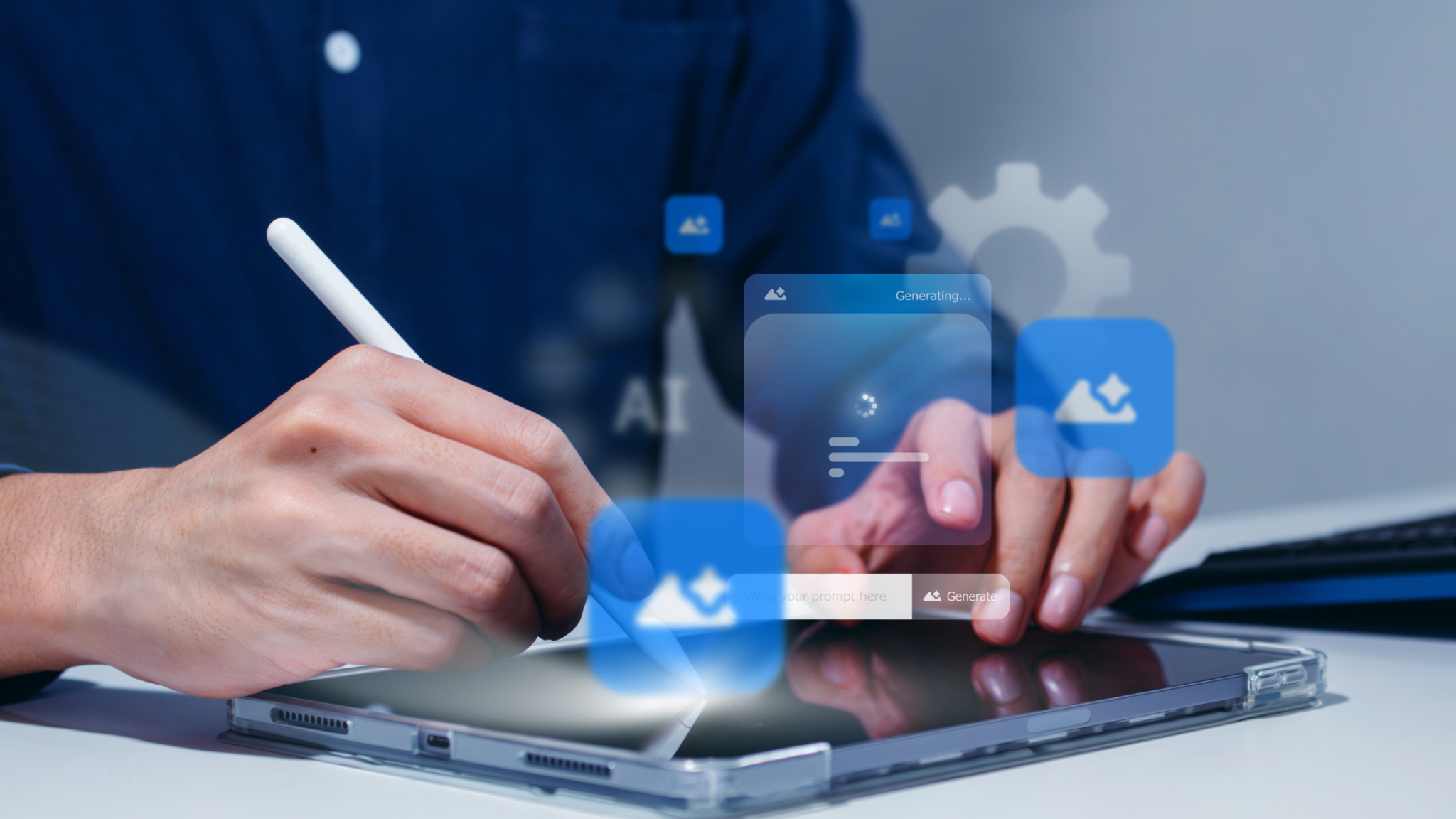
AI image generation has moved far beyond novelty. What began as a way to create experimental artwork is now becoming part of everyday production work across marketing, ecommerce, design, publishing, and social media. Teams are using AI tools to brainstorm visuals, generate product imagery, edit existing assets, create ad concepts, and speed up creative workflows that once required multiple apps and long turnaround times.
This shift is less about replacing designers and more about compressing the distance between idea and execution. A marketer can sketch a campaign direction in words, a designer can refine a reference image, and a content team can produce platform-ready visuals without rebuilding everything from scratch.
The New Reality of Visual Workflows
Contents
- The New Reality of Visual Workflows
- Text-to-Image Creation: Faster Concept Development
- Image-to-Image Editing: Iteration Without Restarting
- Reference-Based Refinement: Consistency Matters
- Product Visuals Without Full Photo Shoots
- Marketing Creatives and Ad Concepts
- Social Media Images at Scale
- Posters, Thumbnails, and Visual Storytelling
- Choosing the Right Workflow Instead of One “Best” Model
- Human Direction Still Matters
- Commercial Use and Practical Considerations
- Where This Is Headed
- Final Thoughts
Modern content production is fragmented. A single campaign may require:
- Concept art and moodboards
- Product renders and lifestyle images
- Social media graphics in multiple aspect ratios
- Poster and thumbnail variations
- Ad creatives for testing
- Last-minute edits based on feedback
Traditionally, those tasks involved switching between stock libraries, editing software, mockup tools, and design platforms. AI image systems are increasingly consolidating those steps into a more fluid workflow.
Platforms like Image 2 reflect this transition. Instead of treating AI image generation as a single-feature tool, Image 2 presents a workspace for multiple visual workflows in one place, including GPT Images 2.0 image generator, Nano Banana 2, Seedream 5 Lite, and other supported image models and editing pipelines.
The value is not merely “generate an image.” It is the ability to move from prompt to revision to final asset inside a connected workflow.
Text-to-Image Creation: Faster Concept Development
One of the clearest benefits of AI image systems is rapid concept generation. Creative teams often spend significant time producing rough visual directions before committing to a final design. Text-to-image tools shorten that phase dramatically.
A content strategist can describe a scene like:
“Minimalist skincare product on a marble countertop with soft morning light, editorial photography style.”
Within seconds, several visual interpretations can be explored. The goal is not necessarily to publish the first result. Instead, teams use these outputs to:
- test visual directions
- align stakeholders quickly
- build moodboards
- identify composition and lighting ideas
- reduce the blank-page problem in creative work
This is especially useful for agencies, ecommerce brands, and social teams that need high volumes of campaign concepts on tight deadlines.
Image-to-Image Editing: Iteration Without Restarting
Text prompts alone are rarely enough for professional production. Real workflows depend on iteration. That is where image-to-image editing becomes important.
Instead of generating a completely new image every time, teams can upload an existing asset and refine it. Common adjustments include:
- changing backgrounds
- modifying colors or lighting
- altering composition
- adding or removing elements
- creating seasonal or campaign variants
For example, an ecommerce team might start with a studio product photo and generate multiple lifestyle settings around it—kitchen, office, outdoor picnic, or luxury interior—without reshooting the product.
This iterative approach preserves brand consistency while expanding creative options.
Reference-Based Refinement: Consistency Matters
A major challenge in AI-generated visuals is maintaining consistency across a campaign. Reference-based workflows help solve that problem.
By using a reference image—such as a product photo, character design, packaging mockup, or brand style sample—teams can guide the model toward a more controlled result. This is useful for:
- keeping product appearance accurate
- maintaining a recognizable visual identity
- producing multiple assets with similar styling
- creating campaign variations without visual drift
Designers still make the final calls, but reference-guided generation reduces the randomness that can slow down production.
Product Visuals Without Full Photo Shoots
Ecommerce businesses are among the fastest adopters of AI image workflows because product imagery is expensive and repetitive. A single SKU may need:
- white-background photos
- lifestyle images
- holiday versions
- regional adaptations
- social media crops
- ad creatives in multiple formats
AI-generated product scenes can reduce the need for repeated photo shoots, especially for conceptual or supplementary visuals. Teams can create realistic environments around existing product assets, test seasonal campaigns, or generate quick mockups before investing in full production.
This does not eliminate traditional photography. High-end hero images and precise product documentation still benefit from real shoots. But AI workflows expand what teams can produce between shoots and after launches.
Marketing Creatives and Ad Concepts
Advertising increasingly depends on rapid experimentation. Platforms reward fresh creatives, and marketers often need dozens of variations to test headlines, compositions, and audience angles.
AI image tools help generate:
- display ad mockups
- social ad concepts
- email campaign visuals
- event posters
- YouTube thumbnails
- campaign moodboards
- storyboard frames
The key advantage is speed. Instead of waiting days for initial mockups, teams can produce exploratory concepts in minutes, review them collaboratively, and then move promising directions into polished design.
Social Media Images at Scale
Social platforms demand constant output. Brands must create visuals for feeds, stories, reels covers, LinkedIn posts, X graphics, Pinterest pins, and more.
AI workflows are well suited to this environment because they can quickly adapt one idea into many formats and styles. A single campaign concept can become:
- a square Instagram post
- a vertical story graphic
- a LinkedIn banner
- a Pinterest pin
- a short-form video thumbnail
This scalability is valuable for lean marketing teams that need consistency across channels without redesigning every asset manually.
Posters, Thumbnails, and Visual Storytelling
Beyond commerce and ads, AI image generation is influencing editorial and entertainment workflows. Creators use it for:
- podcast covers
- book cover concepts
- movie-style posters
- YouTube thumbnails
- newsletter illustrations
- presentation graphics
Thumbnail creation is a particularly practical use case. Video creators often need multiple visual directions quickly, and AI tools can help explore dramatic lighting, expressive compositions, or thematic imagery before final manual refinement.
Choosing the Right Workflow Instead of One “Best” Model
A common misconception is that one AI model is universally superior. In practice, different workflows suit different tasks.
Some models are better for photorealistic product scenes. Others handle illustration, typography, stylized art, or fast iteration more effectively. That is why multi-model environments are becoming more useful than single-model tools.
Image 2 approaches this by giving users access to multiple image workflows in one interface. A creator might use:
- GPT Images 2.0 image generator for detailed text-driven image creation and editing
- Nano Banana 2 for rapid visual iteration or stylized outputs
- Seedream 5 Lite for lightweight generation tasks
- other supported workflows for specific editing or refinement needs
The important point is flexibility. Professional teams rarely solve every visual problem with one model.
Human Direction Still Matters
AI image systems are powerful, but they do not remove the need for human judgment. Effective outputs still depend on:
- clear creative direction
- strong prompting
- brand understanding
- design principles
- editing and curation
- ethical and legal review
In professional environments, AI-generated images are often starting points rather than final deliverables. Designers refine layouts, adjust typography, correct inconsistencies, and ensure the result aligns with brand standards.
The best workflows combine AI speed with human oversight.
Commercial Use and Practical Considerations
Teams using AI-generated imagery commercially should pay attention to licensing, platform terms, and model-specific usage rights. Policies can vary depending on the workflow and provider.
Other practical considerations include:
- maintaining brand consistency across outputs
- reviewing images for factual or visual inaccuracies
- avoiding overreliance on generic-looking AI aesthetics
- keeping editable source files and prompts organized
- documenting approval workflows for teams
Organizations that treat AI images as part of a structured creative process tend to get more reliable results than those using them casually.
Where This Is Headed
AI image generation is evolving from a standalone novelty into infrastructure for visual communication. The next phase is less about “Can AI make pictures?” and more about how teams integrate AI into repeatable production systems.
We are likely to see:
- deeper collaboration between designers and AI tools
- more controllable brand-specific generation
- tighter integration with ecommerce and marketing platforms
- faster multi-format asset production
- stronger editing and revision workflows
Platforms that support multiple workflows in one environment are well positioned for this shift because creative work is inherently iterative. Teams do not just generate images—they refine, adapt, repurpose, and scale them across campaigns and channels.
Final Thoughts
AI image tools are no longer limited to experimental art communities. They are becoming practical production utilities for marketers, designers, ecommerce teams, and creators who need to move quickly without sacrificing creative control.