


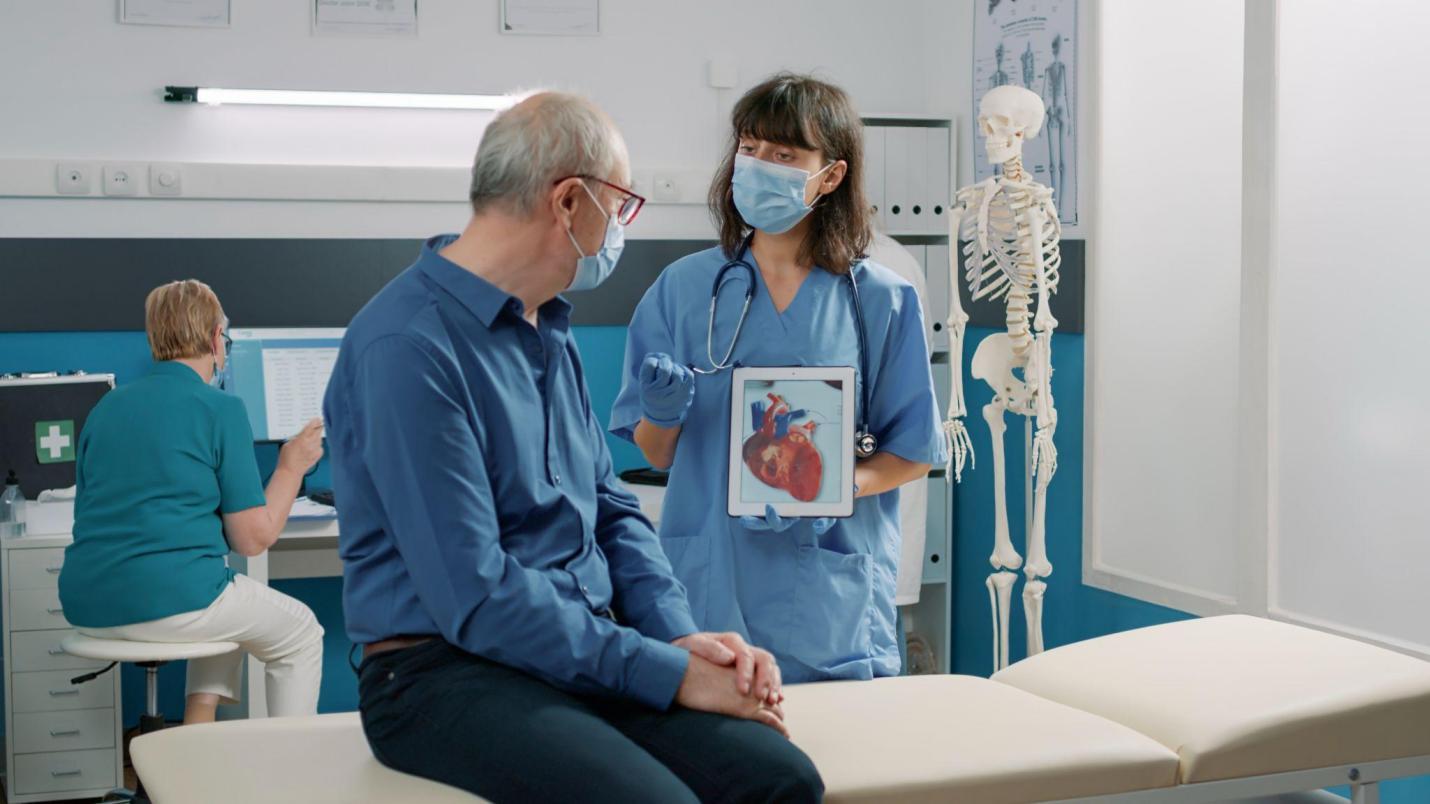
Early detection of heart and lung diseases can make a significant difference in treatment and recovery. Many diseases start without showing any symptoms, making diagnosis quite difficult. This is where the CT scan plays a crucial role. This allows doctors to know the issues of your body and detect problems at an early stage.
A CT scan in Pune helps in accurate diagnosis and enhanced medical choices for long-term health.
What Is A CT Scan?
Contents
The process includes the use of X-rays and computer technology to capture cross-sectional images of the body. It creates detailed pictures of soft tissues, blood vessels and organs.
A CT scan is usually prescribed by doctors when they require a better image of the chest region, particularly for the heart and lungs.
Why Early Detection Matters
The growth of heart and lung diseases may be slow. The condition may be in its advanced stages when the symptoms are detected. Timely treatment can be achieved by early detection. This can improve in curing the disease quickly and minimise complications.
Some of the advantages of early diagnosis are-
- Better treatment planning.
- Reduced risk of severe complications.
- Improved quality of life.
- Lower chances of emergency situations.
How CT Scans Help Detect Heart Diseases
The CT scans have become common in assessing various conditions of the heart. They give detailed pictures of the structure of the heart and blood vessels.
They are useful in the following way-
- Detecting coronary artery disease– A CT scan can detect any blockage and narrowing of the coronary arteries. This helps in preventing heart attacks.
- Checking calcium buildup– The presence of calcium in the arteries may raise the chances of heart disease. Early accumulation can be measured through a CT scan.
- Assessing heart structure– It helps radiologists to study the size and shape of the heart and identify abnormalities.
- Evaluating blood vessels– CT angiography shows the flow of blood through the vessels and identifies the blockages.
How CT Scans Help Detect Lung Diseases
CT scans are highly effective in identifying lung conditions at an early stage. They provide clear images of lung tissues that are not always visible with regular X-rays.
Common uses include-
- Detecting lung infections– Pneumonia and other related conditions can be accurately and rapidly diagnosed.
- Identifying lung nodules or tumours– Tiny nodules in the lungs can be identified early, and this is vital for the diagnosis of cancer.
- Diagnosing chronic lung diseases– COPD or fibrosis can be evaluated through a CT scan.
- Checking for pulmonary embolism– A CT scan will show blood clots in the lungs that may be fatal unless treated.
Who Should Consider A CT Scan?
A CT scan can be recommended by the doctor when a patient has risk factors or symptoms indicating heart disease or lung issues.
You can be suggested to have a scan in case you have-
- Persistent chest pain
- Difficulty breathing
- Chronic cough
- History of smoking
- Family history of heart disease
- Unexplained fatigue
When you are looking for a “CT scan near me”, then you need to select one of the reliable diagnostic centres that have advanced equipment and qualified professionals.
Finding The Right Diagnostic Centre
Choosing the right place for your scan is important for accurate results. A CT scan in Pune or any other city is popular, where good diagnostic facilities are available.
When selecting a centre, consider-
- Availability of modern technology
- Qualified radiologists
- Clean and safe environment
- Timely reporting
Final Thoughts
A CT scan is an effective method that can be used to identify heart and lung diseases at an early age. It helps the doctors to have a clear picture and know the issues before they become severe. Early detection results in effective treatment and health.
Selecting a dependable centre like Vijaya Diagnostic Centre gives you precise results and advanced imaging technology for a better diagnosis.