


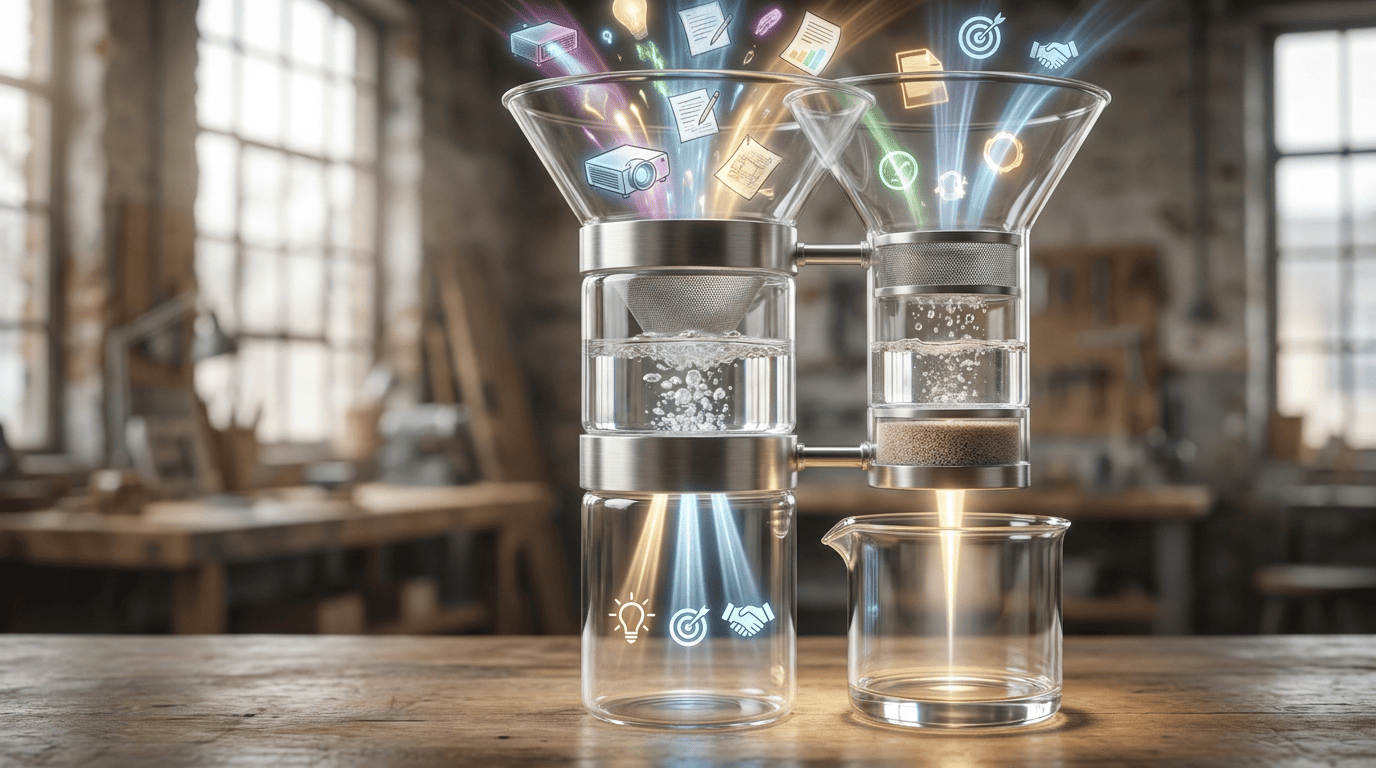
The landscape of digital advertising is undergoing a seismic shift. Traditionally, validating a creative concept required weeks of storyboarding, production, and expensive testing. Today, the rise of AI video generation has compressed this timeline from months to minutes.
Marketing teams no longer need to rely on gut feelings or static mockups. They can now generate high-fidelity video assets to test audience resonance in real time. This “fail fast” approach allows brands to pivot quickly and scale only the most effective concepts.
The emergence of sophisticated models has turned creative production into a data-driven science. By utilizing an ai ad generator, businesses can produce dozens of variations for A/B testing without breaking the budget. This is particularly vital in the fast-paced world of social media advertising.
Generative AI has the potential to generate significant value across the marketing and sales function. This value is most visible in the speed at which ad concepts can be validated and deployed.
Here is a look at the top tools currently leading the charge in this AI-driven creative revolution.
1. Higgsfield
Contents
Higgsfield stands at the forefront of the creative revolution as the flagship platform for cinematic AI video. It is designed specifically for marketing teams that require high-quality output and precise control over their creative vision.
The platform is powered by ByteDance’s Seedance 2.0, a state-of-the-art AI video generation model. This allows users to access world-class video synthesis directly within the Higgsfield ecosystem. The model is available across all subscription plans, ensuring that every user can produce professional-grade content.
One of the defining features of this ai ad generator is its ability to handle complex inputs. It supports up to 12 different assets, including text, images, videos, and audio. This multi-modal approach ensures that the final output aligns perfectly with the brand’s existing aesthetic.
Higgsfield excels at multi-shot sequence generation. This means users can create full narratives rather than just isolated clips. The platform maintains industry-leading character consistency across these sequences, which is a common pain point in other AI tools.
Key features and capabilities include:
- Multi-shot sequence generation for cohesive storytelling.
- Support for 12-asset inputs for maximum creative control.
- Native audio sync that matches visuals with sound perfectly.
- Frame-level precision for granular editing and refinement.
- Virtual try-on capabilities for e-commerce brands.
By using Higgsfield, teams can turn a simple product URL into a scroll-stopping video ad in minutes. This speed makes it the ultimate tool for validating ad concepts before committing to a full-scale production budget.
2. Runway Gen-3 Alpha
Runway has long been a pioneer in the AI video space. Their latest model, Gen-3 Alpha, represents a significant leap forward in temporal consistency and visual fidelity.
This tool is widely used by professional editors and creative directors to bridge the gap between imagination and execution. It offers high levels of control through motion sliders and descriptive prompting.
Runway is particularly useful for:
- Creating high-end cinematic textures.
- Applying sophisticated visual effects to existing footage.
- Experimenting with abstract ad concepts that would be impossible to film.
While it is a powerful creative suite, it requires a bit of a learning curve to master the nuances of its various “Magic Tools.”
3. Luma Dream Machine
Luma Labs entered the video generation market with a splash through the Dream Machine. This model is known for its incredible speed and its ability to render realistic physics.
It is a highly efficient tool for validating quick social media concepts. It can take a static image of a product and turn it into a dynamic 5-second video clip that looks and feels like a professional camera move.
Key benefits of Luma Dream Machine:
- Exceptionally fast rendering times for rapid iteration.
- Highly realistic lighting and reflections.
- Simple user interface that is accessible for non-editors.
It is an excellent choice for teams that need to generate a high volume of “lifestyle” content for platforms like TikTok and Instagram.
4. Kling AI
Kling AI is a powerful contender that has gained massive popularity for its ability to generate longer video clips. While many AI models struggle to maintain quality past 5 seconds, Kling can push boundaries further.
This makes it a great asset for validating long-form ad concepts or product demonstrations. It handles human movement with surprising accuracy, which is essential for UGC-style ads.
Top features include:
- Generation of videos up to 10 seconds or more in high quality.
- Complex prompt adherence for specific creative directions.
- Excellent performance in rendering human interactions and gestures.
For marketers looking to create “explainer” style ad content, Kling provides a robust platform for experimentation.
5. Sora by OpenAI
Sora remains one of the most talked-about models in the industry, even though it is currently in a controlled release phase. It is designed to understand how the physical world works, allowing it to create incredibly complex scenes.
OpenAI has positioned Sora as a tool that can generate up to a full minute of video while maintaining visual quality. When it becomes widely available, it will likely redefine the standard for an ai ad generator.
Expected use cases:
- Creating highly complex, world-building ad environments.
- Developing long-form narrative commercials without a film crew.
- Simulating real-world scenarios for product testing.
Sora represents the future potential of how deeply AI will integrate into the creative validation process.
6. Pika Labs
Pika Labs is a favorite among creators who value artistic style and ease of use. It operates largely through a Discord-based interface, though a web version is also available.
Pika is particularly strong at “lip-sync” features and adding animation to specific areas of an image. This makes it a great tool for making “talking head” style ads or adding subtle motion to product photography.
Best features:
- Pika Effects for unique, stylized animations.
- Easy-to-use lip-syncing for localized ad content.
- Strong community support and frequent feature updates.
It is a versatile tool for teams that want to add a touch of personality and character to their digital ads.
7. Flux.1 by Black Forest Labs
While Flux.1 is primarily an image generation model, it is a crucial part of the ad validation workflow. Validating a video concept often starts with high-quality storyboarding.
Flux.1 is currently regarded as one of the best models for rendering text within images. This is a game-changer for ad mockups where typography and branding are essential.
Use cases for Flux.1 in ad validation:
- Creating pixel-perfect storyboards for video production.
- Generating high-fidelity social media banners.
- Testing different product packaging designs in a lifestyle setting.
It provides the visual foundation that many video tools, like higgsfield, can then bring to life.
8. Midjourney
Midjourney continues to be the gold standard for artistic and high-concept imagery. For ad agencies, it is the primary tool for mood boarding and conceptualizing the “vibe” of a campaign.
The tool excels at creating evocative, high-contrast visuals that grab attention. Many creative directors use Midjourney to establish the color palette and lighting style of an ad before moving into video generation.
Key advantages:
- Unrivaled artistic quality and “photorealism” settings.
- Vast array of community-inspired styles to choose from.
- Constant updates that keep the model at the cutting edge of aesthetics.
In a modern workflow, a Midjourney image often serves as the initial “seed” for an ai ad generator.
9. Adobe Firefly
Adobe Firefly is built with commercial safety in mind. For large corporations that are wary of copyright issues, Firefly is the safest bet for creative validation.
It is deeply integrated into the Creative Cloud, meaning users can generate AI assets and immediately edit them in Photoshop or Premiere Pro. This tight integration speeds up the validation process for traditional design teams.
Benefits of Adobe Firefly:
- Trained on Adobe Stock and public domain images for legal safety.
- Seamless integration with professional design software.
- Generative Fill features that allow for easy modification of existing ads.
It is an essential tool for brands that need to maintain strict corporate compliance while experimenting with AI.
The Future of Creative Testing
The integration of these tools into the marketing stack is not just about saving money. It is about the democratization of creativity. Small businesses now have the same production power as global conglomerates.
By using an ai ad generator, brands can lean into a culture of experimentation. They can test niche audiences with personalized video content that was previously too expensive to produce.
As models like Seedance 2.0 continue to evolve, the line between AI-generated and traditionally filmed content will disappear. The winners in this new era will be the marketers who embrace these tools to validate their ideas faster than the competition.
Whether you are using higgsfield for its cinematic multi-shot capabilities or Midjourney for its artistic flair, the goal remains the same: finding the message that resonates. The era of guessing what works is over. The era of AI-driven validation is here.