


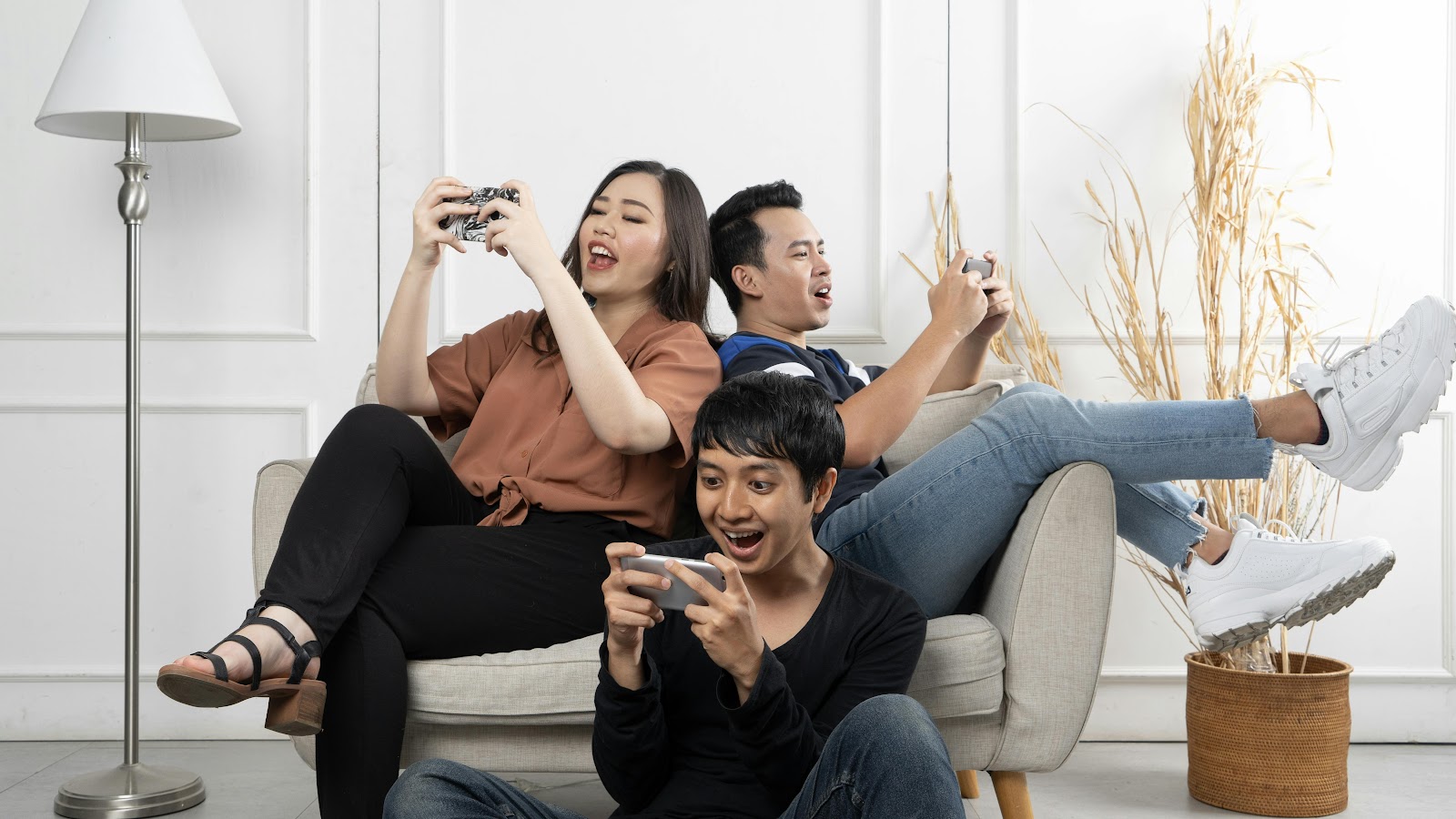
The smartphone took the idea of “what to watch tonight” and expanded it into “what to watch anywhere, anytime.” Your pocket became your personal theatre, living room and sports bar, no TV required. This shift didn’t happen overnight, but it’s now so embedded that we barely notice how different things feel.
Streaming during a commute, gaming between meetings, catching live sports on the move, our habits adapted and entertainment followed suit. Even the way we bet on games shifted. Platforms like Betway enable fans to place bets from a phone while watching a match. The device didn’t just get added to the mix, it became the center of it all.
From TV set to phone screen
Contents
Data shows the shift is real. In the United States, smartphones accounted for about 70% of digital media time in recent surveys, and average daily mobile usage for media had climbed to more than four hours a day. People stopped waiting for program schedules and started watching when they felt like it, on buses, in waiting rooms, or lying in bed.
Sports are no exception. Watching live matches used to mean being glued to a large screen, perhaps in a bar. Now you’ll find people streaming on phones, checking real time stats, and placing micro bets in the same break. The smartphone didn’t replace other screens entirely, but it changed when, where and how viewers engage.
Sports viewing became interactive
Remember that moment in the movie Moneyball when the team uses analytics to get ahead of the competition? That scene mirrors how sports viewing works now. The second screen, your phone, adds stats, odds and second by second updates. While the TV shows the match, your smartphone shows the market.
Engagement is higher because the viewer isn’t passive anymore. Viewers use phones to check angles, revisit slow mo replays, digest commentary, access live betting odds, and share reactions instantly. This interplay means entertainment became a two way street.
Betting got mobile
Placing a bet used to mean visiting a shop or picking up the TV remote during halftime. Now you do it with a flick on your phone. Mobile betting changed the game: live odds, match downtime, incremental bets, all possible in real time. That shift makes the smartphone not just a viewer tool, but a participant’s tool.
That change means that the smartphone isn’t just a screen; it’s the console for how we bet and watch sports. The same device that beams highlights also invites you to back them.
Fragmented attention but deeper engagement
When you’re watching an important match, you might have your phone open beside you. Maybe you’re reading commentary, maybe watching a highlight while the other team attacks. Studies show up to 88% of viewers use a second screen while watching TV. It means attention is split, but engagement is actually deeper because the viewer isn’t just absorbing, they’re interacting.
That multi screen behavior matters for entertainment creators and for viewers alike. The content needs to be immediate, snackable, and shareable. Binge watching still happens, but the smartphone has made short bursts of entertainment into their own category.
On-demand sports, and betting anytime
Streaming sports on the go used to be limited by connection or device. Now it’s expected. Fans watch matches on phones, pick up sub events they missed, and check stats in real time. The angle of sports as “must-watch on TV” has shifted to “watch how you can, when you can.” That convenience feeds the moment to moment excitement.
That matters for betting too. Once you could only bet pre match. Now you can do it in play, aided by the same device that’s showing the game. It’s more immediate, and that immediacy lends itself to greater volume of bets and greater interest in being involved rather than just observing.
The broader entertainment ripple
It’s not just sports. Smartphones reshaped how we listen to music, watch film, consume podcasts and follow influencers. Media that used to require dedicated devices now fits in your hand. And that ubiquity, being able to access anywhere, changed expectations. We expect choice, control and convenience.
That shift also altered how creators work. They optimize content for smartphones: shorter episodes, vertical formats, faster pacing. The culture of watching something “on the big screen” hasn’t disappeared, but it’s become optional.
Betting culture, sports fandom, and smartphone culture merged
Where sports and betting meet smartphones, we get a new layer of fandom. A fan can watch highlights, read stats, place wagers, and tweet reactions all at once. It turns match day into match experience day. And since your phone never leaves your side, you don’t just follow the game, you live it in increments.
That intensity can bring fans closer to the action, but also more exposed to impulse. The convenience of betting while scrolling social media, while checking stats and chatting friends, means fans need more discipline than ever. The portability of the experience is its strength and its risk.
Why this change matters
Smartphones leveled the playing field for entertainment consumption. Someone with no TV at home can still follow a crucial match, check odds, and engage deeply. That accessibility broadens audiences. That matters for sports leagues, content creators, and fans alike.
It also changed how bets are made, how games are watched, and how moments are shared. Phones made entertainment personal again, not in the sense of isolation, but in the sense of control. You choose when you engage, how you engage, and where you engage.